

2026 Office Furniture Buying Guide for Importers: Navigating Quality and Market Trends
The office furniture landscape in 2026 has transitioned from traditional cubicles to dynamic, tech-integrated environments. Importers now face the challenge of sourcing products that balance aesthetic appeal with rigorous commercial durability. Understanding these shifts is vital for maintaining a competitive edge in the global furniture market. This guide provides a comprehensive framework for procurement managers and distributors. We will explore the technical specifications, material innovations, and market demands defining the industry this year. Our goal is to help you build a portfolio that resonates with modern corporate buyers and small business owners alike. Sourcing at scale requires more than just finding a low price point. It involves verifying manufacturer certifications, assessing material longevity, and ensuring designs meet the latest ergonomic standards. This guide will walk you through every critical decision point in the procurement process.
Identifying High-Demand 2026 Office Furniture Trends
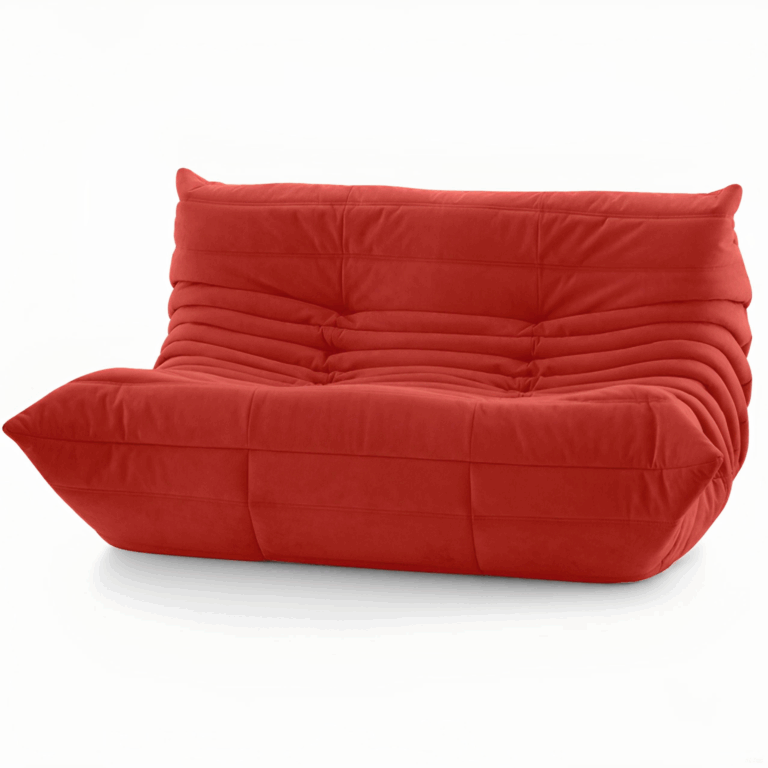
In 2026, the demand for flexible and agile workspace solutions has reached an all-time high. Business buyers are looking for furniture that can be easily reconfigured to support both collaborative projects and focused individual work. Importers should prioritize modular desks and mobile storage units that allow for quick layout changes.
Smart integration is no longer a luxury but a standard requirement for modern offices. Tables and desks featuring built-in wireless charging, integrated cable management, and IoT-enabled height adjustments are top performers. Ensure your suppliers are capable of integrating these technologies without compromising structural integrity.
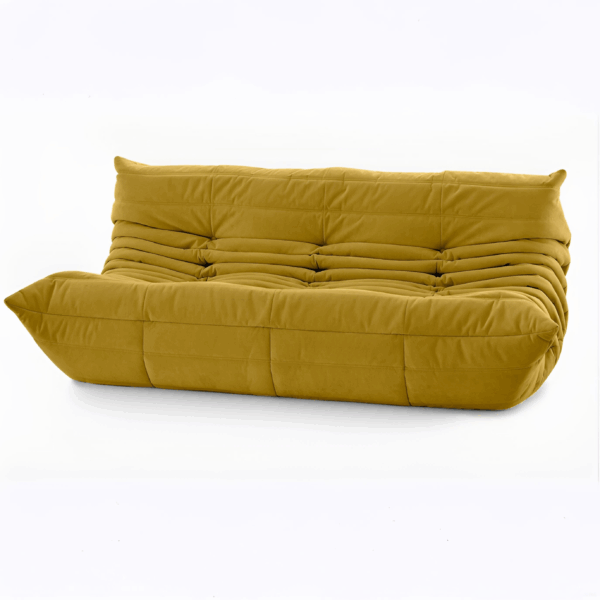
Aesthetic trends are leaning toward biophilic designs that incorporate natural textures and soft, organic shapes. This shift aims to improve employee well-being and productivity by creating a more inviting atmosphere. Sourcing furniture with wood grains, matte finishes, and earth-toned fabrics will align with current market preferences.
The Rise of Acoustic Privacy Solutions
Open-plan offices remain popular, but they have created a massive need for acoustic management. Importers should look for acoustic pods, sound-absorbing desk dividers, and upholstered wall panels. These items are high-margin additions to any office furniture catalog.
Essential Product Categories for Modern Inventory
Building a balanced inventory requires a mix of essential staples and specialized pieces. Ergonomic seating remains the most critical category, as health-conscious employers prioritize lumbar support and adjustability. Look for chairs with multi-axial armrests and breathable mesh backrests.
Height-adjustable desks continue to dominate the workstation segment. The 2026 market prefers dual-motor systems that offer quiet operation and programmable height presets. Offering a variety of desktop finishes, such as anti-fingerprint laminates, can set your products apart.
Storage solutions are moving away from bulky filing cabinets toward sleek, multifunctional credenzas. These pieces often serve as both storage and room dividers in modern office layouts. Focus on sourcing units with high-quality soft-close hinges and durable powder-coated steel frames.
Verifying Quality Standards and Material Certifications
Quality assurance is the foundation of successful long-term importing. You must ensure that your manufacturers adhere to international standards such as BIFMA or ISO. These certifications prove that the furniture can withstand the rigors of daily commercial use.
Material selection is equally important for durability and safety. Check that all wood products are FSC-certified to ensure they come from responsibly managed forests. For upholstered items, verify that the fabrics meet fire retardant standards and have high Martindale rub counts for wear resistance.
Request detailed testing reports for weight capacities on chairs and desks. A reputable manufacturer will provide documentation showing their products have passed stress tests and stability checks. This transparency protects your business from liability and reduces the rate of customer returns.
| Executive | Real Wood Veneer, Top-Grain Leather | 10-15 Years | C-Suite Offices |
| Professional | High-Pressure Laminate, Premium Mesh | 5-10 Years | Corporate Workspaces |
| Economy | Melamine, Standard Fabric | 2-5 Years | Startups and Home Offices |
| Industrial | Reinforced Steel, Heavy-Duty Plastic | 10+ Years | Labs and Workshops |
The Importance of Ergonomics in Commercial Procurement
Ergonomics is a primary driver for purchasing decisions in 2026. Importers must understand the mechanics of healthy sitting and standing to advise their clients effectively. Focus on sourcing chairs with dynamic tilt mechanisms that follow the user’s movements.
Monitor arms and adjustable keyboard trays are essential ergonomic accessories. These items allow users to maintain proper posture, reducing the risk of musculoskeletal disorders. Including these in your product range provides a complete workspace solution for your buyers.
Don’t overlook the importance of footrests and anti-fatigue mats for standing desk users. These small additions can significantly enhance the user experience and increase the perceived value of your main desk lines. High-quality materials like high-density foam are preferred for longevity.
Customization Options for Private Label Importers
Offering customization is one of the best ways to build brand loyalty as an importer. Many manufacturers provide OEM services that allow you to specify colors, materials, and branding. This is particularly effective for large-scale contract projects where specific design themes are required.
Private labeling involves adding your own logo and packaging to the furniture. This helps you establish a unique identity in the market and prevents direct price comparisons with competitors. Ensure your supplier can maintain consistent quality across custom production runs.
Consider offering custom upholstery options to meet the specific interior design needs of your clients. Providing a curated selection of high-performance fabrics can make your furniture more attractive to interior designers and architects. Always request fabric swatches before committing to a large order.
Maximizing Value in Bulk Furniture Sourcing
Bulk sourcing requires a strategic approach to balance cost and quality. Negotiating tiered pricing based on volume can significantly lower your unit costs. However, never sacrifice essential quality features just to hit a lower price point.
Consolidating orders from a single manufacturer can streamline your procurement process. It allows for better quality control and more consistent design language across different product lines. It also simplifies communication and relationship management with your suppliers.
Pay close attention to the packaging and assembly requirements of the furniture. Ready-to-assemble (RTA) designs are often more cost-effective for importing due to reduced volume. Ensure the assembly instructions are clear and that all necessary hardware is included and organized.

Evaluating Supplier Reliability and Manufacturing Capacity
A reliable supplier is your most valuable asset in the furniture industry. Evaluate potential manufacturers based on their production capacity and their history of meeting deadlines. Visit the factory if possible to inspect their machinery and quality control stations.
Check for technological investments in the manufacturing process. Factories using CNC machines and automated powder-coating lines tend to produce more consistent results. This precision is vital for modular furniture where components from different batches must fit together perfectly.
Communication is a key indicator of supplier reliability. Choose partners who are responsive and transparent about their lead times and material availability. A good manufacturer will proactively inform you of any potential delays or changes in the production schedule.
Strategic Sourcing for 2026 and Beyond
Successfully importing office furniture in 2026 requires a deep understanding of both design trends and technical standards. By focusing on modularity, ergonomics, and sustainable materials, you can build a product portfolio that meets the needs of the modern workforce. Remember that quality and reliability are the most important factors for long-term growth.
As the market continues to evolve, staying informed about manufacturing innovations will keep your business ahead of the competition. Use this guide as a foundation for your sourcing strategy and continue to seek out partners who share your commitment to excellence. With the right approach, your import business can thrive in this dynamic industry.
Get Your Shipping Quote Today
Ready to upgrade your inventory with high-quality 2026 office furniture? Visit our wholesale collection page or contact our procurement experts today to receive a customized quote for your next import project.
Request Quote