
How to Choose the Right University Furniture Supplier for Modern Campus Needs in 2026
The landscape of higher education is shifting rapidly as we move through 2026. Modern campuses are no longer just collections of lecture halls and dormitories. They are dynamic ecosystems designed to support hybrid learning, mental wellness, and intense collaboration. Selecting a university furniture supplier is one of the most significant decisions a procurement manager or project planner will make this year. The right partner does more than ship products; they provide the infrastructure for student success and institutional longevity. Many institutions face the challenge of aging infrastructure that fails to meet the needs of a tech-savvy student body. Outdated, rigid furniture can hinder student engagement and make a campus feel stagnant. This guide explores how to navigate the complexities of furniture procurement in the current market. We will focus on durability, ergonomic standards, and the modularity required for the flexible learning environments of 2026. Whether you are outfitting a new research wing or refreshing a student union, understanding supplier capabilities is the first step toward a successful transformation.
✦
Identifying the Core Capabilities of a University Furniture Supplier
A top-tier university furniture supplier must demonstrate a deep understanding of the institutional environment. Unlike residential or standard office furniture, campus pieces undergo near-constant use. This requires a higher standard of engineering and material selection to prevent frequent replacements.
When vetting potential partners in 2026, look for suppliers who offer comprehensive project management. This includes space planning, 3D rendering, and on-site installation coordination. A supplier who understands the academic calendar can manage deliveries during breaks to minimize campus disruption.
Evaluate their track record with large-scale institutional projects. Check for certifications like BIFMA for durability and Greenguard Gold for indoor air quality. These standards ensure that the furniture contributes to a safe and healthy learning environment for students and faculty alike.
Customization and Institutional Branding
Modern universities use their physical space to reinforce their brand identity. A versatile university furniture supplier should offer customization options that include school colors, laser-engraved logos, and specific fabric choices.
Customization is not just about aesthetics; it is about functionality. Suppliers should be able to modify dimensions or add integrated power modules to standard designs to meet the unique needs of your specific departments.
Comparing Materials for High-Traffic Educational Environments
Material selection is the foundation of furniture longevity. In 2026, the focus has shifted toward materials that are both incredibly durable and easy to sanitize. High-pressure laminates and powder-coated metals remain industry standards for their resistance to scratches and chemical cleaners.
Choosing the right material depends on the specific zone of the campus. Laboratory furniture requires chemical resistance, while student lounge furniture needs high-performance textiles that resist staining and abrasion. A knowledgeable university furniture supplier will guide you through these technical specifications.
| Material Type | Durability Rating | Maintenance Level | Primary Application |
|---|---|---|---|
| High-Pressure Laminate (HPL) | High | Low | Classroom Desks and Library Tables |
| Powder-Coated Steel | Very High | Low | Chair Frames and Storage Lockers |
| Solid Hardwood | High | Medium | Executive Offices and Boardrooms |
| Polypropylene | Medium | Very Low | Cafeteria Seating and Outdoor Areas |
| High-Performance Vinyl | High | Low | Lounge Seating and Medical Clinics |
The Shift Toward Modular and Active Learning Spaces
The traditional lecture model is being replaced by active learning pedagogies. This shift requires furniture that can be reconfigured in minutes. A modern university furniture supplier should prioritize mobile and modular pieces that support different teaching styles.
Tables with flip-tops and nesting bases allow rooms to be cleared quickly for multi-purpose use. Chairs with casters and tablet arms enable students to transition from individual work to group discussion without heavy lifting. This flexibility maximizes the ROI of every square foot on campus.
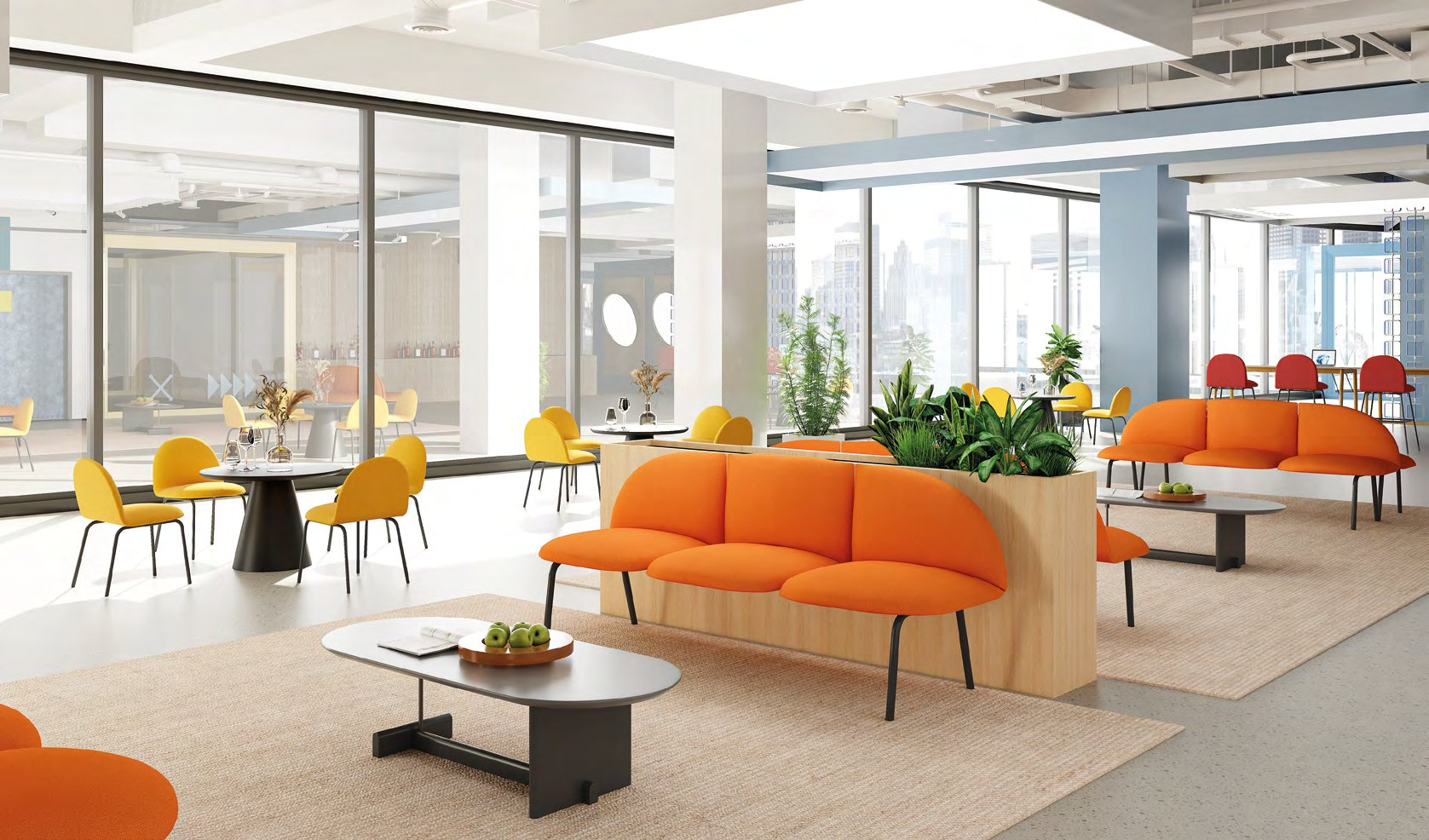
Modular lounge furniture is also gaining popularity in common areas. These systems allow students to create their own study pods or social clusters. By providing a variety of heights and seating types, you cater to the diverse preferences of the student body.
Ensuring Ergonomic Excellence for Student Wellness
Student health and wellness are top priorities for university administrations in 2026. Poorly designed seating can lead to discomfort, decreased focus, and long-term physical strain. An expert university furniture supplier focuses on ergonomic principles to support the long hours students spend studying.
Key ergonomic features include contoured seat pans, adjustable lumbar support, and waterfall edges that promote healthy blood flow. For standing height tables, footrests are essential to prevent fatigue. Ergonomics should extend to faculty offices, ensuring that staff have the support they need for administrative and research tasks.
Investing in ergonomic furniture is a proactive step toward improving student retention and academic performance. When students are comfortable, they are more likely to stay in the library or study center, leading to better learning outcomes and a more vibrant campus culture.
Sustainable Procurement and ESG Goals in 2026
Sustainability is no longer optional in university procurement. Most institutions have strict Environmental, Social, and Governance (ESG) targets to hit by 2030. Your university furniture supplier must provide transparent data regarding their supply chain and manufacturing processes.
Look for products made from recycled content or those that are 100 percent recyclable at the end of their life cycle. Suppliers who offer ‘furniture-as-a-service’ or buy-back programs are becoming more common in 2026, helping universities participate in the circular economy.
Low-VOC (Volatile Organic Compound) finishes are critical for maintaining healthy indoor air quality. Ask for Environmental Product Declarations (EPDs) to understand the carbon footprint of the furniture you are purchasing. This data is vital for institutional reporting and sustainability certifications.
Navigating Bulk Procurement and Logistics
Managing a large-scale furniture rollout requires precision. A reliable university furniture supplier will provide a clear timeline from order placement to final walkthrough. In 2026, real-time tracking and digital inventory management have become standard expectations for procurement managers.
Consider the logistical challenges of your specific site. Does the supplier offer inside delivery and debris removal? For high-rise campus buildings, ensure they have experience with elevator constraints and tight loading docks. A professional team will conduct a site survey before delivery to identify potential bottlenecks.
Bulk purchasing often allows for significant cost savings, but it requires careful planning. Work with your supplier to phase deliveries so that your facility team is not overwhelmed. Staggered arrivals can also help align with construction schedules in new builds.
Building a Future-Ready Campus Together
Choosing the right university furniture supplier is a strategic investment in the future of your institution. By focusing on durability, ergonomics, and modularity, you create spaces that inspire students and support modern teaching methods. The trends of 2026 emphasize flexibility and sustainability, ensuring that your campus remains competitive and environmentally responsible.
As you plan your next procurement cycle, remember that the most successful projects are built on partnership. Look for a supplier who offers more than just products—look for a consultant who understands the unique challenges of higher education. With the right furniture in place, your campus will be well-equipped to foster the next generation of leaders and innovators.