
How to Use an Office Furniture Sourcing Guide China for Your 2026 Business Growth
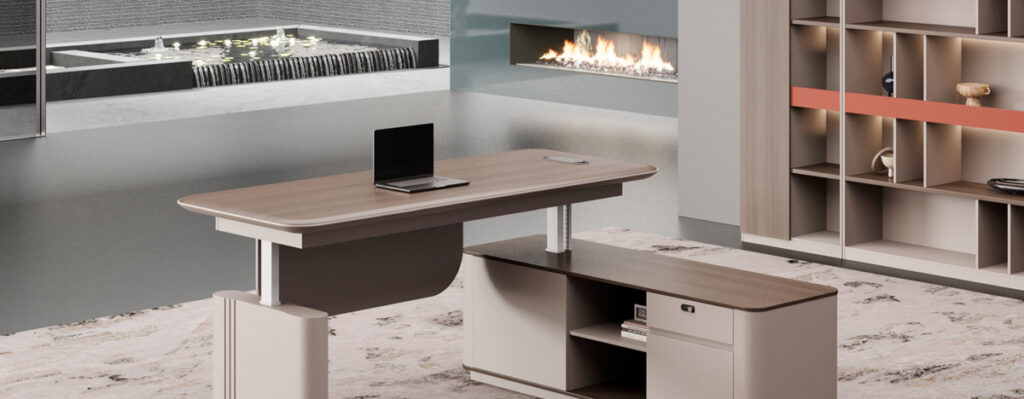
The global landscape for workspace design has shifted dramatically as we move through 2026. Businesses now demand a blend of ergonomic precision, sustainable materials, and aesthetic flexibility. China remains the premier destination for high-volume procurement, offering unparalleled manufacturing scale and technological integration. This office furniture sourcing guide China is designed to help you navigate the complexities of the current market. Whether you are a procurement manager or a furniture distributor, understanding the nuances of the Chinese supply chain is essential for securing high-quality assets at competitive price points.
✦
Identifying the Best Manufacturing Regions in China
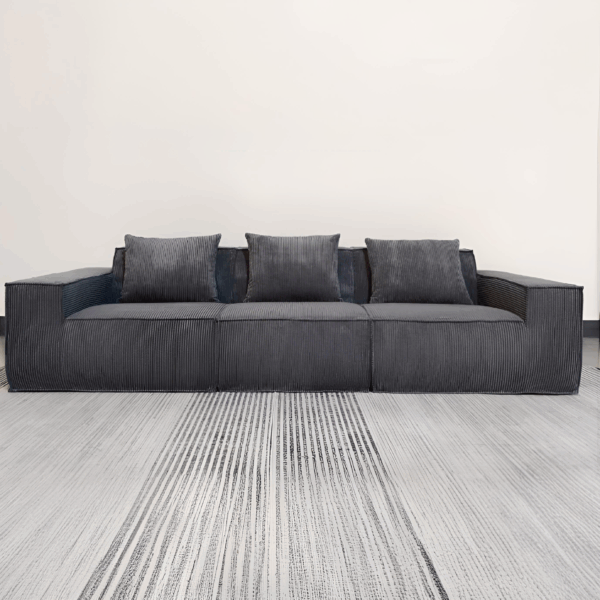
In 2026, Chinese furniture manufacturing is highly regionalized. Each province specializes in specific types of office equipment, making it vital to target the right area. Foshan, particularly the Longjiang district, remains the undisputed hub for office seating and ergonomic chairs.
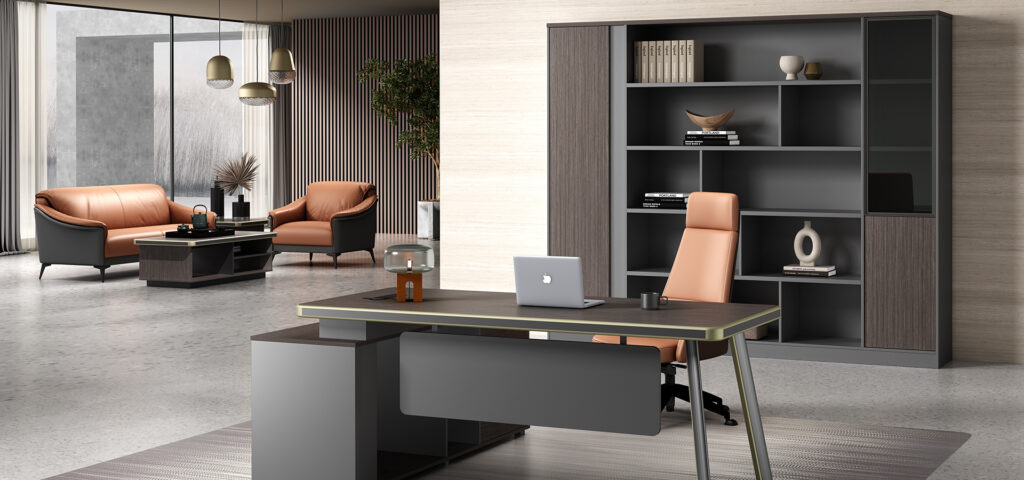
Guangzhou is the primary destination for modular workstations and large-scale commercial project furniture. If your focus is on high-end executive suites or custom wood-veneer products, Dongguan offers specialized craftsmanship. Targeting these hubs directly reduces communication friction and ensures you are working with specialists.
Foshan: The Seating Powerhouse
Guangzhou: Workspace Systems
Verifying Supplier Reliability and 2026 Compliance
Reliability in 2026 goes beyond just meeting delivery dates. You must ensure your partners adhere to international quality and social compliance standards. Start by requesting ISO 9001 certifications and BIFMA test reports for all mechanical components.
A physical or third-party factory audit is essential for new partnerships. Check for modern machinery, organized assembly lines, and proper storage of raw materials. A well-maintained factory is usually a sign of a disciplined management team and consistent product quality.
| Region | Primary Product Focus | Ideal Buyer Type |
|---|---|---|
| Foshan | Ergonomic Seating | Wholesalers and Retailers |
| Guangzhou | Modular Systems | Project Managers |
| Dongguan | Executive Furniture | Luxury Brand Distributors |
| Zhejiang | E-sports and Task Chairs | Online Retailers |

Navigating Customization and OEM Requirements
The ability to customize is a major advantage when using an office furniture sourcing guide China. Most manufacturers in 2026 offer extensive Original Equipment Manufacturer (OEM) services. This allows you to modify dimensions, materials, and colors to suit your specific brand identity.
When requesting customizations, provide clear technical drawings or CAD files. Small changes, such as adding integrated power modules to desks or changing fabric grades, can significantly impact the final product value. Always insist on a pre-production sample to verify that your specifications have been understood correctly.
Understanding Quality Control for Office Furniture
Quality control must be integrated into every stage of the production process. Do not wait until the furniture is finished to check for defects. Implement a mid-production inspection to catch issues with frames or internal mechanisms before they are upholstered.
Focus on high-stress points like gas lifts, casters, and drawer slides. In 2026, many buyers use third-party inspection services like SGS or Intertek to provide unbiased reports. These reports should include load-bearing tests and material safety checks for volatile organic compounds (VOCs).
Sustainability Trends in 2026 Furniture Sourcing
Sustainability is no longer optional for modern corporate environments. Many Chinese manufacturers have upgraded their facilities to meet greener standards. Look for suppliers using FSC-certified wood and recycled aluminum components.
Inquire about powder coating processes and the use of water-based adhesives. Sustainable sourcing not only meets regulatory requirements in Western markets but also appeals to eco-conscious corporate clients. Highlighting these green credentials can be a significant selling point for your business.
Managing Lead Times and Production Schedules
Lead times in 2026 typically range from 30 to 45 days for standard wholesale orders. Custom projects or high-volume contracts may require 60 days or more. It is crucial to build a buffer into your project timeline to account for peak production seasons like the lead-up to Chinese New Year.
Maintain constant communication with your supplier’s production manager. Request weekly progress updates and photos of the production floor. This proactive approach helps identify potential delays early and ensures your project stays on track.
Mastering Your Sourcing Strategy
Successfully sourcing office furniture from China in 2026 requires a strategic approach centered on quality and due diligence. By targeting the right manufacturing hubs and enforcing strict compliance standards, you can build a resilient and profitable supply chain.
This guide serves as your foundation for navigating the market. Remember that the strongest partnerships are built on clear communication and mutual growth. Use these insights to transform your procurement process and deliver exceptional value to your clients or organization.
Ready to upgrade your workspace with premium solutions? Explore our latest 2026 collections or contact our procurement specialists for a custom quote today.
Request Quote