

How to Select an Office Furniture Supplier for Tender Projects in 2026
Securing a large-scale contract in 2026 requires more than just competitive pricing. Procurement managers and project planners now demand a high level of technical precision and operational reliability. Choosing the right office furniture supplier for tender projects is the most critical step in ensuring a seamless workspace rollout. In the current market, tenders are increasingly focused on long-term durability and environmental responsibility. A supplier must demonstrate they can handle high-volume production while maintaining strict quality control. This guide explores the essential factors for selecting a partner that can meet the rigorous demands of modern office tenders. Whether you are a procurement officer or a lead contractor, understanding the supplier landscape is vital. Success depends on finding a manufacturer that aligns with your project’s specific architectural and functional goals. Let us look at how to identify a partner that adds value to your bidding process.
Identifying Technical Requirements for Office Tenders
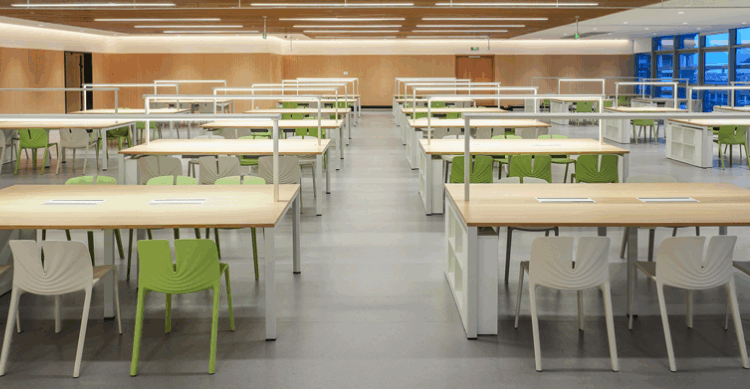
Every tender project begins with a set of rigid technical specifications. These documents outline the dimensions, materials, and functional requirements for every piece of furniture. An experienced office furniture supplier for tender projects will analyze these specs to ensure complete compliance.
Failure to meet even a minor technical detail can lead to disqualification. You need a partner who can interpret complex architectural drawings and material schedules. They should provide clear feedback on what is achievable within your budget.
Precision in the bidding phase prevents costly errors during the installation phase. A reliable supplier will suggest alternatives if a specific material is unavailable or if a design can be improved for better durability. This proactive approach is a hallmark of a professional industry consultant.
Evaluating Manufacturing Capacity and Scalability
Tender projects often involve furnishing entire office buildings or multiple corporate branches simultaneously. This requires a supplier with significant manufacturing power and a stable supply chain. You must verify that the factory can handle the volume without sacrificing quality.
Ask for a breakdown of their monthly production capacity for specific items like ergonomic chairs or modular desks. A supplier that is over-leveraged may experience delays that jeopardize your entire project timeline. Scalability is the backbone of successful large-scale procurement.
In 2026, automated manufacturing processes have become the standard for consistency. Look for suppliers who invest in CNC machinery and robotic assembly lines. These technologies ensure that the first unit produced is identical to the thousandth unit.
| Criteria | Tier 1 Manufacturer | Regional Distributor | General Trading Firm |
|---|---|---|---|
| Price Control | High (Factory Direct) | Moderate | Low (Multiple Markups) |
| Customization | Full Bespoke Capability | Limited Options | Catalogue Only |
| Compliance Documentation | Comprehensive/Direct | Third-Party Provided | Often Incomplete |
| Lead Time Reliability | High (Direct Scheduling) | Variable | Low (Dependency on Others) |
Navigating Quality Standards and Certifications in 2026
Quality assurance is non-negotiable in commercial furniture procurement. Your chosen office furniture supplier for tender projects must hold recognized international certifications. These documents serve as proof that the products are safe, durable, and fit for purpose.
Key certifications to look for include ISO 9001 for quality management and BIFMA for performance standards. In 2026, many government and corporate tenders also require Greenguard certification for indoor air quality. These standards protect the health of employees and the investment of the buyer.
Request recent test reports from independent laboratories rather than relying on internal manufacturer claims. A transparent supplier will provide these documents readily during the pre-qualification stage. This transparency builds the trust necessary for long-term partnerships.
Customization Capabilities for Bespoke Workspace Solutions
Modern office designs often require custom solutions that standard catalogs cannot provide. Whether it is a unique desk shape or a specific brand-aligned color palette, customization is a frequent tender requirement. Your supplier should have an in-house design team to assist with these requests.
Bespoke furniture requires a deep understanding of structural integrity. A good supplier will create prototypes or 3D renders to help you visualize the final product. This ensures that the custom elements function as well as they look.
Customization also extends to integrated technology. In 2026, desks often require built-in wireless charging, cable management systems, and smart sensors. Ensure your supplier is capable of integrating these modern electronic components into their furniture designs.

Prioritizing Sustainability and ESG in Tender Bids
Environmental, Social, and Governance (ESG) criteria are now a major part of the tender evaluation process. Many organizations will only work with suppliers who can prove a low carbon footprint. Sustainability is no longer an optional feature; it is a core requirement for 2026 bids.
Inquire about the source of raw materials, such as FSC-certified wood or recycled aluminum. A sustainable office furniture supplier for tender projects will have clear policies on waste reduction and energy-efficient manufacturing. This data is often required for LEED or WELL building certifications.
The circular economy is also gaining traction in the furniture industry. Suppliers who offer take-back programs or use modular designs that are easy to repair are highly valued. These practices reduce the total cost of ownership and appeal to eco-conscious stakeholders.
Managing Project Timelines and Delivery Schedules
The most common cause of project failure is a breakdown in the delivery schedule. A tender project usually has a fixed move-in date that cannot be moved. Your supplier must provide a detailed project management plan that includes production, transit, and installation.
Reliable suppliers use sophisticated tracking systems to monitor every stage of the order. They should provide regular status updates and have contingency plans for potential disruptions. This level of communication is essential for managing the expectations of all project stakeholders.
Installation is the final and most visible phase of the project. Ensure the supplier has experienced teams who can work around other trades on a busy construction site. Proper onsite management ensures that the furniture is installed correctly and without damage.
Finalizing Your Supplier Selection
Selecting the right office furniture supplier for tender projects is a strategic decision that impacts the success of your entire workspace development. By focusing on technical compliance, manufacturing capacity, and sustainability, you can mitigate risks and deliver a superior office environment.
In the competitive landscape of 2026, the best partners are those who act as consultants rather than just vendors. They provide the expertise and reliability needed to navigate complex bids and high-stakes installations. Invest time in the vetting process to ensure your project stands the test of time.
Get Your Shipping Quote Today
Ready to discuss your next big project? Contact our tender specialists today to receive a comprehensive quote and expert consultation on your office furniture requirements.
Frequently Asked Questions
What are the typical lead times for large office furniture tenders?
Lead times in 2026 generally range from 8 to 12 weeks for large volumes. This depends on customization needs and material availability. It is best to engage a supplier early in the planning phase.
Can you provide custom finishes to match our brand identity?
Yes, professional suppliers offer a wide range of custom laminates, fabrics, and powder-coat finishes. We can match specific Pantone or RAL colors to ensure brand consistency across the workspace.
What certifications are essential for commercial office furniture?
ISO 9001, BIFMA, and Greenguard are the most critical. These ensure the furniture meets safety, durability, and environmental health standards required for modern corporate environments.
Do you offer onsite installation services for large projects?
Most top-tier suppliers provide full installation support. This includes coordinating with onsite project managers to ensure furniture is assembled correctly and on schedule.
How do you handle quality control for high-volume orders?
We implement multi-stage quality checks, from raw material inspection to final assembly. Independent third-party inspections can also be arranged before the furniture leaves the factory.
Is it possible to request samples before the final tender award?
Sample approval is a standard part of the tender process. We recommend testing a prototype or sample unit to verify comfort, build quality, and finish before committing to a full order.
What is the standard warranty period for commercial furniture?
For tender projects, a warranty of 5 to 10 years is standard. This covers structural integrity and mechanical components under normal commercial use conditions.
How does your manufacturing process support ESG goals?
We utilize energy-efficient machinery, source sustainable materials, and minimize packaging waste. Detailed ESG reports are available to support your project’s sustainability documentation.