

How to Select the Best Office Furniture Supplier for Pharmaceutical Offices in 2026
The pharmaceutical industry in 2026 demands more than just standard desks and chairs. As research and development cycles accelerate, the physical workspace must support both high-focus analytical work and seamless collaboration. Selecting a specialized office furniture supplier for pharmaceutical offices is critical to ensuring that your facility meets strict safety standards while maintaining employee well-being. Modern pharma offices now bridge the gap between clinical environments and corporate headquarters, requiring a unique blend of durability and design. Procurement managers face the challenge of sourcing furniture that can withstand rigorous cleaning protocols without sacrificing the comfort needed for long hours of data analysis. This guide explores the essential criteria for choosing a partner who understands the intersection of science and workspace efficiency.
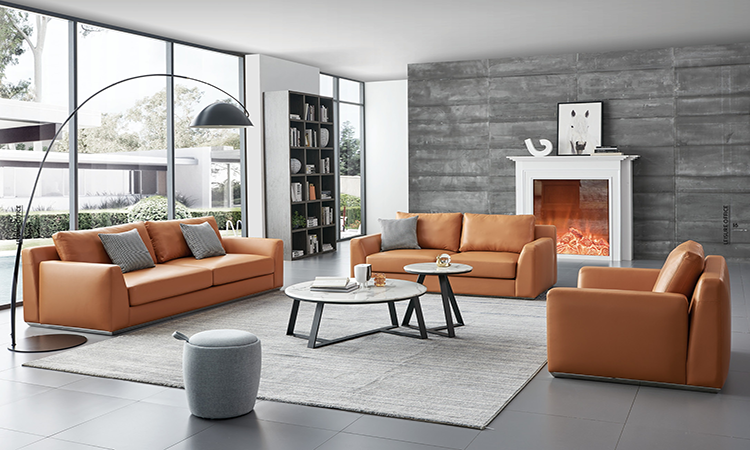
Understanding the Unique Requirements of Pharmaceutical Workspaces
Pharmaceutical offices are rarely standalone entities; they often sit adjacent to laboratories, cleanrooms, and production lines. This proximity means that furniture must be selected based on its ability to prevent cross-contamination and support a sterile environment. A specialized office furniture supplier for pharmaceutical offices will offer products that feature non-porous surfaces and antimicrobial coatings.
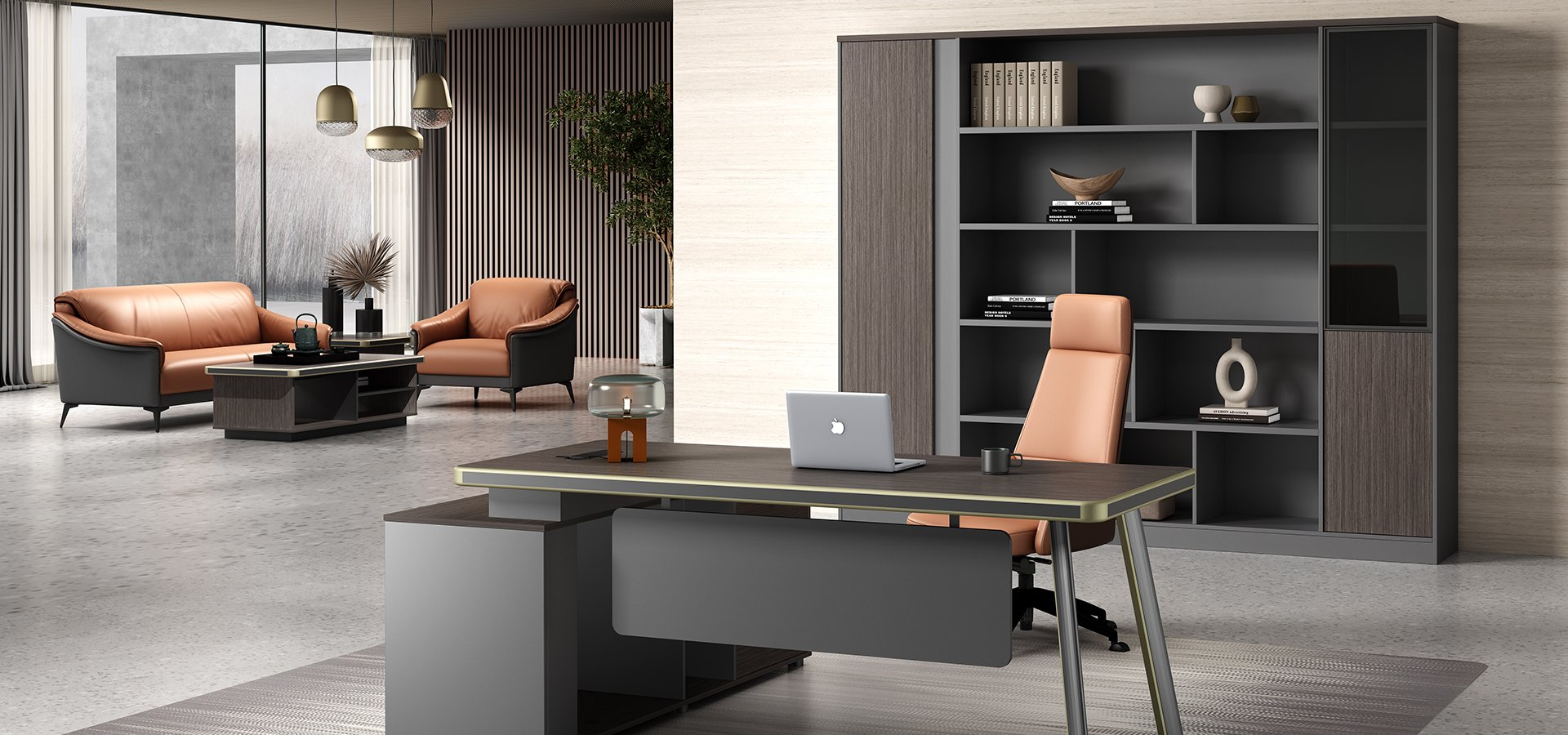
In 2026, the trend has shifted toward integrated technology where workstations include built-in air filtration and smart sensors to monitor air quality. These features are particularly important in R&D hubs where environmental control is paramount. Your supplier should be well-versed in these technological advancements to help future-proof your investment.
Beyond the clinical needs, the administrative side of pharma requires spaces that foster deep concentration. Acoustic privacy is a major concern for teams handling sensitive clinical trial data and regulatory documentation. High-performance acoustic panels and sound-dampening furniture are now standard requirements for modern pharmaceutical headquarters.
Key Features of High-Performance Pharma Office Furniture
When evaluating potential furniture, durability is the primary factor. In a pharmaceutical setting, surfaces are frequently treated with harsh disinfectants. Standard office laminates may peel or discolor under these conditions, making chemical-resistant phenolic resins or high-grade stainless steel better options for high-traffic areas.
Ergonomics also plays a vital role in staff retention and productivity. Research staff often toggle between laboratory benches and office desks, leading to repetitive strain risks. Adjustable height desks and task chairs with dynamic lumbar support are essential to accommodate the diverse physical tasks performed throughout the day.
The aesthetic of the 2026 pharmaceutical office has evolved to be more ‘resimercial’—a blend of residential comfort and commercial durability. This approach helps reduce the stress associated with high-stakes research environments. Soft seating in breakout zones should still feature medical-grade fabrics that are easy to sanitize.
| Material Type | Best Use Case | Chemical Resistance | Maintenance Level |
|---|---|---|---|
| Phenolic Resin | Lab-adjacent desks | High | Low |
| Antimicrobial Vinyl | Seating and stools | Medium | Low |
| High-Pressure Laminate | Administrative desks | Low | Medium |
| Powder-Coated Steel | Storage and shelving | Medium | Very Low |
Material Comparison for Pharma Environments
Choosing the right material is a balance between cost, compliance, and longevity. The following table outlines the most common materials used in modern pharmaceutical workspaces to help your procurement team make an informed decision.
Compliance and Safety Standards for Lab-Adjacent Workspaces
Safety is non-negotiable in the pharmaceutical sector. Any office furniture supplier for pharmaceutical offices must provide documentation proving compliance with BIFMA and SEFA standards. These certifications ensure that the furniture can support the weight of heavy laboratory equipment and withstand daily use in a professional setting.
Fire safety and off-gassing are also critical considerations. Look for Greenguard Gold certified products to ensure that your office furniture does not contribute to indoor air pollution. This is especially important in facilities where air purity is already being monitored for research integrity.
In 2026, sustainability has become a core component of regulatory compliance. Many pharmaceutical firms now require suppliers to provide Carbon Footprint reports for their products. Opting for furniture made from recycled ocean plastics or sustainably sourced timber helps meet corporate social responsibility goals while maintaining a high-end professional look.
Optimizing Ergonomics for Research and Administrative Teams
The shift toward hybrid work models in 2026 has changed how pharmaceutical offices are utilized. Workspaces are now more focused on hot-desking and collaborative zones. However, the need for individual ergonomic support remains. A reliable supplier should offer sit-stand solutions that can be electronically preset for different users.
For laboratory technicians who spend hours at microscopes or benches, specialized stools with foot rings and forward-tilt mechanisms are necessary. These ergonomic features prevent long-term musculoskeletal issues, which are common in the research industry. Ensuring your supplier can provide these niche items alongside standard office furniture simplifies the procurement process.
Consider the layout of the furniture as well. Open-plan offices in pharma are being replaced by ‘neighborhood’ layouts that group teams by project. This requires modular furniture that can be easily reconfigured as research teams grow or change focus. Mobile pedestals and folding tables allow for a highly adaptable workspace.
Evaluating Supplier Reliability and Service Capabilities
Choosing an office furniture supplier for pharmaceutical offices involves more than just picking a catalog. You need a partner who offers comprehensive project management, from initial space planning to final installation. In the 2026 market, lead times can vary, so a supplier with a robust local supply chain is often preferred over international-only options.
Installation in a pharmaceutical environment requires a higher level of care. Installers must be briefed on facility protocols, such as wearing personal protective equipment or adhering to specific entry and exit routes. A supplier with experience in the life sciences sector will already be familiar with these requirements, reducing the risk of operational disruptions.

Post-installation support is equally important. Pharmaceutical facilities are long-term investments, and your furniture should be backed by a warranty that reflects that. Ask potential suppliers about their replacement part availability and their process for handling warranty claims. A 10-year warranty is the industry benchmark for high-quality commercial furniture.
Future-Proofing Your Pharma Office with Modular Solutions
The pharmaceutical industry is characterized by rapid change. New drug discoveries or shifts in regulatory landscapes can require immediate changes to your facility layout. Modular furniture systems allow you to add or remove workstations without significant construction costs.
Integrated power and data distribution are key features of modular systems. In 2026, wireless charging and high-speed data ports are integrated directly into work surfaces. This reduces cable clutter, which is not only an aesthetic choice but also a safety requirement to prevent trip hazards in a busy office.
Finally, consider the long-term flexibility of the furniture. Can the desk legs be swapped for taller ones later? Can privacy screens be added or removed? A supplier that offers a modular ecosystem ensures that your office can grow alongside your company’s scientific breakthroughs.
Building a Better Workspace for Scientific Innovation
Selecting the right office furniture supplier for pharmaceutical offices is a strategic decision that impacts employee health, safety compliance, and operational efficiency. By focusing on chemical-resistant materials, ergonomic support, and modular designs, you create an environment where scientific innovation can thrive.
As we move through 2026, the integration of technology and sustainable practices will continue to define the best pharmaceutical offices. Partnering with a supplier who understands these specific industry nuances ensures that your facility remains a productive and safe hub for years to come.

Get Your Shipping Quote Today
Ready to upgrade your pharmaceutical workspace for 2026? Contact our expert team today to request a customized furniture consultation and quote. Visit our website to explore our latest collection of compliant and ergonomic solutions.
Request Quote