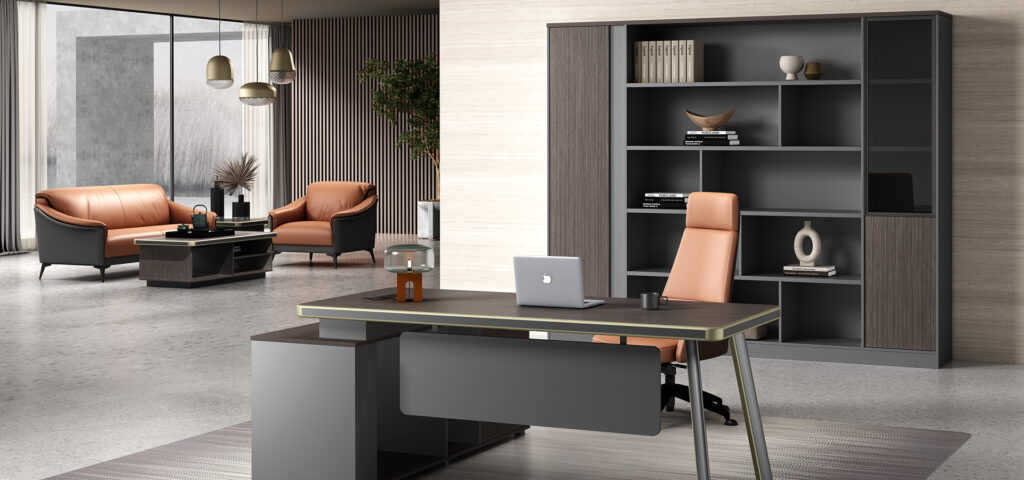

How to Choose a Reliable Office Furniture Manufacturer for Architects in 2026
Architects in 2026 face the complex challenge of balancing aesthetic vision with functional commercial requirements. Selecting the right office furniture manufacturer for architects is no longer just about browsing a catalog. It requires finding a partner that understands architectural language and can translate complex specifications into tangible workspace solutions. This guide explores how to identify manufacturers that prioritize design integrity, material innovation, and the technical precision required for modern commercial projects.
Bridging the Gap Between Design Vision and Production
The relationship between an architect and a manufacturer is foundational to a project’s success. A specialized office furniture manufacturer for architects acts as a consultant rather than a simple vendor. They help navigate the transition from a conceptual rendering to a physical product that meets structural standards.
In 2026, the demand for unique, brand-specific environments has made generic furniture options less appealing. Architects need partners who can offer flexible manufacturing processes. This ensures that every desk, chair, and partition aligns with the broader interior design narrative.
Effective communication is the cornerstone of this collaboration. Manufacturers must be able to interpret CAD files and BIM models accurately. This technical synergy reduces errors and ensures that the furniture fits perfectly within the planned spatial constraints.
Essential Capabilities of a Modern Furniture Partner
When evaluating a potential manufacturer, look for advanced production technologies. Precision CNC machining and automated finishing lines are essential for consistent quality. These tools allow for complex geometries that were previously difficult to mass-produce for commercial use.
Scalability is another critical factor for architectural projects. A manufacturer should be able to handle small, high-end executive suites and large-scale corporate headquarters with equal efficiency. Ask about their maximum monthly output and how they manage peak production periods.
Material diversity is equally important in the current market. A versatile manufacturer should offer a wide range of finishes, from sustainable wood veneers to recycled composites. This variety allows architects to maintain design consistency across different zones of a workspace.
| Feature | Standard Commercial | Architectural Grade |
|---|---|---|
| Customization | Limited to color and fabric | Full bespoke dimensions and materials |
| Material Quality | Standard grade laminates | Premium sustainable and smart materials |
| Lead Times | 4 to 6 weeks | 8 to 12 weeks for custom work |
| Compliance | Basic safety standards | Advanced 2026 global safety and eco-ratings |
| Warranty | 3 to 5 years | 10 to 15 years for high-traffic use |
Customization and the Rise of Bespoke Workspaces
Bespoke furniture is no longer a luxury but a requirement for many high-end architectural firms. The ability to modify dimensions, integrate specific technology, or use custom materials is vital. An office furniture manufacturer for architects must have a dedicated R and D team for custom requests.
Customization also extends to integrated technology. Modern desks often require built-in wireless charging, cable management, and IoT sensors. A manufacturer that stays ahead of these trends provides significant value to the architect and the end-user.
Prototyping is a key part of the bespoke process. Leading manufacturers provide physical or high-fidelity digital prototypes before full-scale production begins. This allows architects to test ergonomics and finishes in the actual environment.
Sustainability and Material Transparency in 2026
Sustainability has moved beyond a trend to a strictly enforced mandate in 2026. Architects are now required to provide detailed environmental impact reports for their furniture selections. Choosing a manufacturer with transparent supply chains is essential for meeting these requirements.
Look for certifications like LEED, WELL, and the latest 2026 carbon-neutral standards. A responsible manufacturer uses low-VOC finishes and responsibly sourced timber. They should also offer end-of-life recycling programs for the furniture they produce.
Material innovation is driving the future of the industry. Many manufacturers are now using bio-based resins and ocean-bound plastics in their components. These materials help architects achieve green building certifications while providing durable, high-quality finishes.
Technical Compliance for Commercial Grade Projects
Commercial furniture must withstand rigorous daily use. An office furniture manufacturer for architects must ensure all products meet BIFMA and international safety standards. This includes testing for weight capacity, stability, and fire resistance.
Acoustic performance is another major concern in open-plan offices. Manufacturers are now integrating sound-absorbing materials into desks, partitions, and seating. Architects should request acoustic test data to ensure the furniture contributes to a productive work environment.
Ergonomic compliance is non-negotiable for modern employers. Every task chair and height-adjustable desk must support a wide range of body types. Manufacturers that invest in ergonomic research help architects promote wellness through their design choices.
Optimizing the Procurement Process for Architects
The procurement process can be a major pain point for architectural projects. A manufacturer that offers comprehensive project management services can alleviate much of this stress. This includes detailed shop drawings, regular progress updates, and coordinated delivery schedules.
Integrated software solutions are becoming standard in 2026. Manufacturers that provide Revit families and BIM objects make it easier for architects to specify their products. This digital integration speeds up the design phase and reduces the risk of specification errors.
Finally, consider the manufacturer’s after-sales support. A long-term warranty and the availability of replacement parts are essential for commercial installations. This ensures that the architect’s vision remains functional and attractive for years to come.
Final Thoughts on Choosing a Manufacturing Partner
Selecting the right office furniture manufacturer for architects is a strategic decision that impacts the quality and longevity of a workspace. By focusing on customization, sustainability, and technical excellence, architects can ensure their designs are executed to the highest standards.
In the competitive landscape of 2026, a strong partnership with a capable manufacturer is a significant advantage. It allows for greater creative freedom and ensures that every project meets the evolving needs of the modern workforce. Prioritize partners who value innovation and collaboration as much as you do.
Get Your Shipping Quote Today
Explore our 2026 collection of architecturally specified furniture. Contact our design team today to discuss your next bespoke project or request a comprehensive material sample kit.
Request Quote