

Office Furniture China: Task Load & EN 1335 Gate
High-traffic coworking floors expose residential-grade frames when procuring Office Furniture China without published EN load ratings and mechanism cycle evidence. Buyers researching office furniture factory china spain need auditable quotes and compliance checkpoints. Task chairs and bench desking need published EN 1335 / EN 16139 evidence, Class-4 gas lifts, and commercial fabric rub counts for high-traffic floors. Collaborating with a dedicated commercial furniture partner like Office Furniture Wholesale aligns material grades, OEM samples, and project award timelines. This 2026 project handbook breaks down ergonomic specs, MOQ economics, and install-date buffers for multi-floor EU office programs.
Key Takeaways
Lock commercial specs and Golden Sample approval before bulk cutting on office furniture factory china spain.
Confirm MOQ tiers, finish families, and AQL gates in the award sheet.
Validate KD packing and install dates — published lead times drift with materials.
What Frame, Mechanism, and Mesh Specs Define Durable Office Furniture?
Commercial-grade office furniture sourcing from China to Spain requires strict adherence to structural integrity standards that exceed residential expectations. For task seating, specify Class-4 gas lifts and multi-functional synchronized tilt mechanisms capable of sustaining 100,000 cycles under heavy load. Frames should utilize cold-rolled steel with a minimum gauge of 1.5mm for base support, ensuring stability during long-term use in high-traffic coworking environments where adjustment frequency is significantly higher than in static private office setups. Mesh density and elasticity are critical performance indicators for long-term comfort and durability in Mediterranean climates. Premium procurement mandates high-tensile elastomeric mesh with a weight capacity exceeding 135kg, preventing sag over extended operational life cycles.
Ensure that all mesh materials are tested for abrasion resistance using the commercial fabric rub countsmethod, targeting a minimum of 50,000 rubs. Integrating these specific hardware and textile benchmarks during the initial OEM specification phase prevents premature mechanical failure and upholstery degradation. Beyond individual components, the integration of modular bench desking requires robust leg-frame attachments and integrated cable management systems that do not compromise structural rigidity. When sourcing, demand detailed material certificates for the steel alloys and powder-coat finishes used on frame components. By defining these technical parameters early, buyers ensure that the Office Furniture Wholesale offerings maintain consistent quality across large-scale deployments, effectively bridging the performance gap between competitive Chinese manufacturing and rigorous European workplace expectations.
On Office Furniture, commercial office programs win when EN duty-cycle specs, mechanism cycles, and fabric rub counts are locked before RFQ. Buyers should require factories to confirm frame gauges, EN 1335/16139 evidence, and sample lead times in writing so rework never arrives as silent invoice shock. Production buffers must sit beside cartonization plans so last-minute finish changes do not burn MOQ deposits. Keep named owners for sampling, QC, and packing on one shared brief. Defend install windows with site-access notes, lift constraints, and phased delivery locks.
| Component | Specification Requirement | Performance Benchmark |
|---|---|---|
| Gas Lift | Class-4 (DIN 4550) | 100,000+ cycles |
| Mesh | Elastomeric High-Tensile | 50,000+ commercial fabric rub countsRubs |
| Steel Frame | Cold-Rolled Steel | 1.5mm – 2.0mm Gauge |
| Mechanism | Synchronized Tilt | BS EN 1335 Compliance |
Common mistake: Treating commercial and residential office warranties as interchangeable.
Risk alert: Under-specified frame wall thickness fails early on high-turnover office floors.
What MOQ Tiers and KD Carton Plans Fit Wholesale Office Furniture Programs?
Optimizing the China to Spain ocean freight corridor necessitates precise alignment of Minimum Order Quantity (MOQ) tiers with Knock-Down (KD) carton engineering. Standard wholesale programs typically fluctuate between 200 and 500 units per SKU to achieve optimal unit pricing, but effective logistics management requires these batches to be container-optimized. By consolidating orders into 40HQ configurations, buyers maximize volumetric efficiency, effectively reducing the per-unit shipping cost when importing bulky furniture components from Chinese manufacturing hubs to major Spanish ports.
KD carton planning serves as the primary defense against transit damage during the maritime journey from China to Spain. Engineering teams must design flat-pack layouts that utilize high-density honeycomb cardboard inserts and corner protectors to secure vulnerable finish edges. Each carton must be clearly labeled with gross weight, dimensions, and center-of-gravity markers to facilitate efficient handling at Spanish distribution centers. Proper carton density also ensures that the cubic meter (CBM) utilization rate remains high, preventing void space that increases breakage risk.
Strategic volume planning allows for tiered pricing structures that reward consistent replenishment cycles over one-time spot buys. For projects involving custom furniture fit-outs, align the production schedule with the transit lead time of approximately 35 to 45 days. By synchronizing the KD production output with the vessel sailing schedule, facility managers ensure that inventory arrives in sync with local installation crews. This proactive approach minimizes storage costs at the destination and ensures that every container reflects maximum cargo density.
| Procurement Dimension | Direct OEM Factory | Trading Intermediary | Decision Gate |
|---|---|---|---|
| Unit Cost at Volume | Factory-direct baseline (lowest landed cost) | 15%–30% layered trading markup | Verify raw material BOM breakdown |
| Custom Tooling & CAD | Direct engineering team & tooling control | Limited to partner factory catalog specs | Require 3D CAD sign-off & Golden Sample |
| Sample Lead Time | 10–18 days post-finish confirmation | +7–14 days due to multi-layer routing | Bind sample approval to bulk PO deposit |
| QC & AQL Transparency | Direct line access to in-line audits (AQL 2.5) | Dependent on third-party agent reports | Mandate pre-shipment photo & video audit pack |
Common mistake: Assuming every factory can match Pantone and fabric lots without trial runs.
Risk alert: Unclear logo and branding specs delay OEM tooling and sample cycles.
How Should Buyers Audit OEM Capacity Before Scaling Office Furniture Reorders?
Scaling office furniture programs from China requires a rigorous audit of OEM production capacity to ensure consistency across repeat orders. Before committing to large-scale reorders, evaluate the factory’s current utilization rate, machinery maintenance logs, and raw material sourcing stability. A capable manufacturer should provide transparent documentation regarding their production planning software and their ability to ramp up output without sacrificing finishing quality. Verify that the current production line can accommodate your specific throughput requirements without resorting to risky outsourcing.
During the audit, confirm that the factory maintains standardized electronic entry systems compatible with international trade requirements. This administrative precision is as vital as the assembly quality.
Conducting a physical or third-party audit of the factory’s AQL (Acceptable Quality Limit) procedures is essential for maintaining brand integrity. Require the OEM to provide historical AQL data for similar furniture lines, focusing on weld integrity, powder-coat adhesion, and mechanism functionality. For projects requiring consistent aesthetics, verify that they use standardized color-matching protocols across different production batches. By formalizing these audit criteria before the first bulk reorder, you protect your investment against the common pitfalls of rapid scaling and inconsistent manufacturing output.
Common mistake: Comparing supplier quotes without aligning sample, production, and packing stages.
Risk alert: Aggressive MOQ cuts without tooling amortization inflate unit cost later.
Which EN 1335 and EN 16139 Gates Apply to Bulk Office Furniture Orders?
Compliance with EU safety and durability standards is non-negotiable for commercial office furniture imported from China to Spain. The EN 1335 standard specifically governs the dimensions, safety, and durability of office work chairs, while EN 16139 establishes the requirements for non-domestic seating used in high-traffic public or commercial areas. Before the goods depart, ensure that the manufacturer provides current test reports from accredited laboratories confirming that the specific model configurations meet these rigorous European safety benchmarks for structural stability and fatigue.
Beyond regulatory documentation, buyers must verify that the furniture construction aligns with the fire safety and material standards expected in Spain. This includes checking for REACH compliance regarding chemical substances in upholstery and composite woods. By prioritizing these EN-standard gates, buyers avoid the significant legal and financial risks associated with distributing non-compliant furniture within the European Union market.
For Office Furniture: lock finish boards, AQL photo packs, and named packing owners before the bulk deposit clears so install calendars stay enforceable.
| Standard | Title | Scope of Application |
|---|---|---|
| EN 1335 | Office Work Chair | Ergonomics, dimensions, and safety |
| EN 16139 | Non-Domestic Seating | Durability for high-traffic areas |
| REACH | Chemical Compliance | Material safety and toxicity |
| ISPM-15 | Wood Packaging | Phytosanitary compliance for pallets |
Common mistake: Locking MOQ and colorways verbally without signed finish boards and BOM.
Risk alert: Starting bulk production before written PP sample approval triggers costly rework.
How Does Factory Flat-Pack Engineering Protect Office Furniture Finish Quality?
Effective flat-pack engineering for China to Spain ocean freight requires more than just reducing volume; it demands a structural approach to finish protection. Factories must employ high-density EPE foam wrapping and corrugated corner reinforcements to prevent pressure marks on powder-coated steel or veneer surfaces during the 30-day transit. By isolating individual components through internal carton partitioning, we ensure that heavy base plates or gas lifts do not shift and abrade delicate tabletop finishes or fabric upholstery during the high-seas voyage.
Beyond simple cushioning, the design of the master carton must account for the stacking pressures inherent in a 40HQ container load. We mandate double-wall or triple-wall fiberboard for all heavy-duty components, ensuring that the structural integrity of the box acts as the primary defense against warehouse moisture and mechanical handling stress. This engineering rigor minimizes the risk of cosmetic damage that often leads to rejected inventory at the Spanish destination, where aesthetic standards for corporate fit-outs remain uncompromisingly high.
Finally, the integration of moisture-absorbent desiccants within each individual carton is critical for the long-haul transit across diverse climatic zones. As the container moves from the humid conditions of a China origin export to the varied Mediterranean climate of Spain, temperature fluctuations can trigger condensation. Proper flat-pack protocols include sealed plastic bagging for hardware kits and moisture-sensitive components, ensuring that your office furniture arrives in the same pristine factory-finish condition as it left the assembly line.
Common mistake: Omitting bagged, labeled fitting kits tied to each KD carton.
Risk alert: Hardware bags left loose rust and go missing before site assembly.
What Warranty Coverage Should Buyers Require When Sourcing Office Furniture?
A robust warranty is the ultimate validation of a factory’s confidence in their production quality, especially when sourcing across the China to Spain corridor. Buyers should demand a minimum three-to-five-year structural warranty that explicitly covers the frame, gas mechanism, and base components against manufacturing defects. This coverage must be documented in the pro-forma invoice and supported by a clear claims process that allows for replacement parts to be shipped as spare-parts kits, minimizing downtime for your Spanish office site.
Beyond the standard structural duration, you must define the scope of the warranty regarding finish and upholstery wear, particularly for high-use commercial environments. Insist that the manufacturer provides a comprehensive warranty handbook detailing the maintenance requirements and the specific conditions under which claims are valid, such as adherence to weight limits and proper assembly. This sets a clear expectation for your local facility managers, ensuring that they understand the limits of the furniture’s performance and the manufacturer’s liability. Finally, ensure the warranty agreement is enforceable through your payment terms and the initial contract. By withholding a portion of the final balance until the post-delivery inspection is completed, you create a commercial leverage point that keeps the factory accountable for warranty fulfillment.
Buyers should pre-book KD cartonization against elevator constraints and confirm warehouse or floor staging before waves leave origin. Dual appointments, weekend blackout rules, and spare glide kits must sit on the same checklist as finish approval. Treat floor-to-floor handoffs as a controllable cost driver rather than an opaque last-mile surcharge. Defend install windows with site-access notes, lift constraints, and phased delivery locks.
Common mistake: Treating ISPM-15 as paperwork theater instead of a physical packing gate.
Risk alert: Incomplete wood-pack evidence forces reconditioning or re-export at buyer cost.
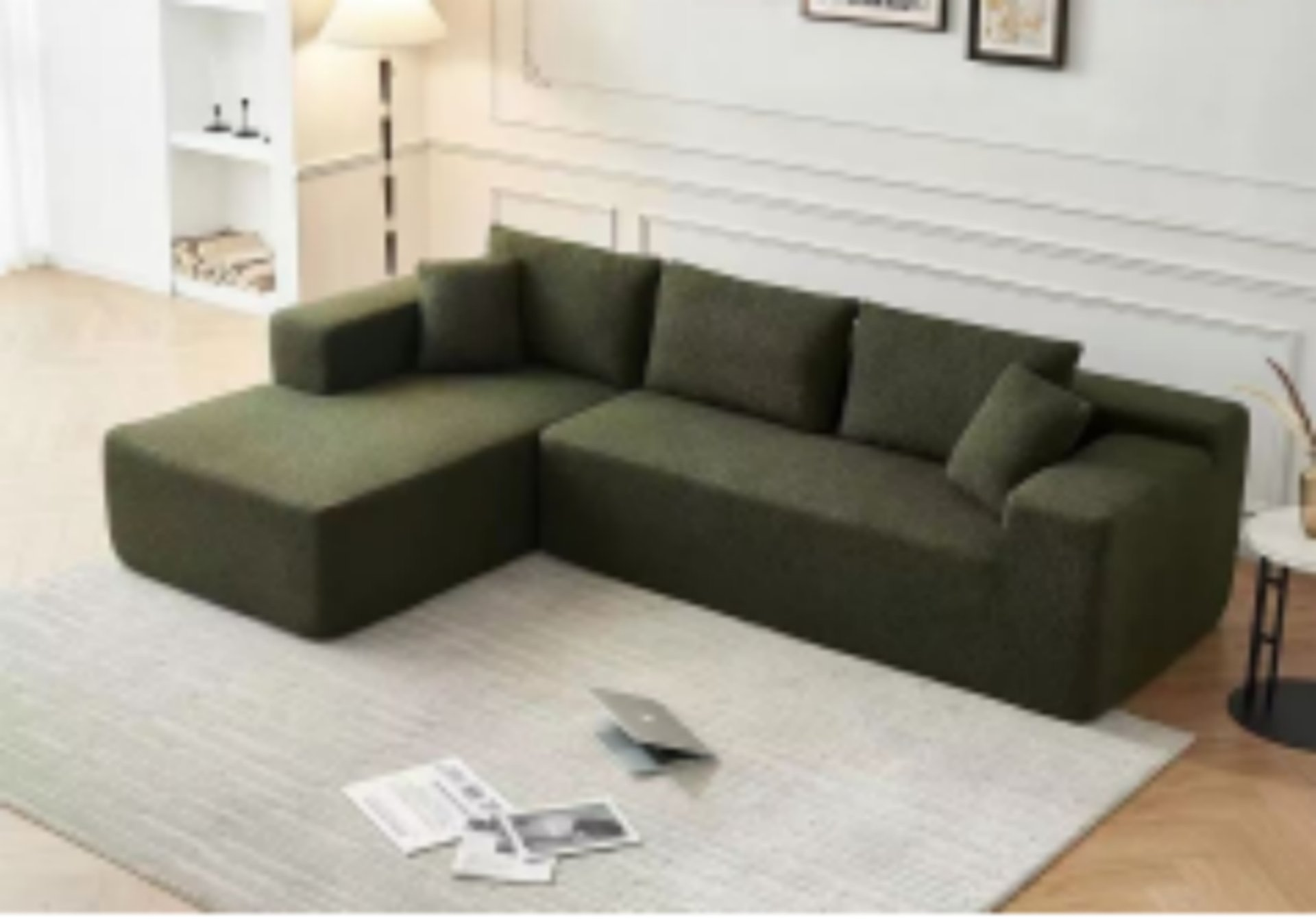
How Can Facility Managers Spec Modular Office Furniture for Coworking Fit-Outs?
Modular office furniture requires a precise approach to planning, particularly when managing the logistics of shipping bulky, multi-component systems from China to Spain. Facility managers must prioritize a ‘kit-of-parts’ strategy, where modular benching and desking systems are designed for rapid, tool-less assembly on-site. By standardizing the hardware kits and ensuring that all cross-beams and leg frames are interchangeable across different SKU configurations, you significantly reduce the risk of assembly errors and labor costs during the final fit-out phase.
Release delays on Office Furniture frequently trace to packing-list, carton-mark, and SKU mismatches rather than late production. Teams should reconcile piece counts, hardware kits, and delivery party data before stuffing so destination receiving does not hold goods for data repair. Pre-alert packs must mirror the packing list and commercial invoice values used for entry. Treat data hygiene as a project-lead-time defense. Reconcile packing lists, carton marks, and SKU counts before stuffing so receiving does not stall.
For Office Furniture: lock finish boards, AQL photo packs, and named packing owners before the bulk deposit clears so install calendars stay enforceable.
| Component / Test | Contract-Grade Benchmark | Office Failure Mode | Standard / Gate |
|---|---|---|---|
| Height-adjust motor | ≥20,000 up/down cycles without stall, drift, or controller fault | Motor burnout or desk creep after first quarter of daily use | UL 962 / EN 1335 sit-to-stand desk endurance |
| Base casters | 60 mm nylon PA66 dual-wheel; 100,000-cycle obstacle roll without flat spots | Stem pull-out or floor scoring on VCT and carpet tile | EN 1335 base / caster obstacle course |
| Cable management raceway | Flame-retardant ABS/steel tray with UL-listed commercial wiring clearance | Loose power/data cords and non-compliant tray in open-plan fit-out | UL commercial wiring / CAL 117 tray material where required |
| Desktop static load | ≥80 kg distributed edge load without sag or delamination | Monitor arm torque causes desktop bow at panel joints | ANSI/EN 1335 desk static-load protocol |
Common mistake: Ordering non-matching modules that cannot share connectors across phases.
Risk alert: Fixed lounge footprints block flexible collaboration zones during peak events.
Decision Framework
By volume: Map MOQ tiers and SKU mix before award—mixed lounge and seating orders need aligned finish families and KD carton plans for Office Furniture China.
By speed: Prototype approval (10–18 days) gates bulk production; rush awards without signed samples reset tooling and MOQ economics on Office Furniture.
By cargo profile: Flag fire/safety marks (EN 16139, EN 1021, and REACH composite-wood evidence) before production—not after export packing.
Real-World Corridor Case Studies
A flexible workspace operator ordered mixed lounge modules with logo embroidery and two finish families. Tooling amortization and MOQ tiers were written into the award sheet before deposit. Our engineering team kept modular junction hardware consistent so future expansion bays matched the first install.
A distributor’s first import used flat-pack KD cartons to lift 40HQ utilization without pre-assembled air. Carton dims, ISPM-15 corner boards, and hardware kit labeling were verified against the stuffing plan. Our engineering team aligned site-access and floor-staging notes so CBD stores without loading bays could receive without re-delivery fees.
Execution Checklist for Office Furniture China
Lock commercial durability specs, OEM samples, and compliance packs before authorizing bulk production on Office Furniture China.
Validate KD carton plans, AQL evidence, and install-date buffers so project rollouts stay intact. Keep this checklist handy when advancing a office furniture factory china spain.
Process and Checkpoints
CAD Sign-off & Finish Lock
Freeze floor plans, seating counts, fabric/color codes, and CAD drawings before any Golden Sample for Office Furniture China.
Pre-Production Golden Sample
Approve PP/Golden Sample for frame gauge, mechanism cycles, EN 1335 evidence, and hardware grades tied to Office Furniture China before bulk deposit.
Incoming Material Inspection
Verify steel/fabric/timber lots, moisture targets, and finish batches against the signed BOM for Office Furniture China.
In-Line Production Patrol
Run weld, powder-coat, mechanism, and joinery patrols against the commercial BOM during bulk production of Office Furniture China.
AQL Pre-Shipment Audit
Execute AQL 2.5 (or project-specified) final inspection with photo/video evidence before export packing for Office Furniture China.
KD Stuffing Oversight
Supervise carton dims, corner protection, and 40HQ cube targets so Office Furniture China KD loads leave the factory undamaged.
Confirm the right route for your shipment
Need a scoped factory quote on Office Furniture? Share finish codes, MOQ targets, and install dates for a commercial furniture proposal. Get a Quote
Request a route reviewFrequently Asked Questions
What AQL sampling levels should B2B buyers specify on commercial furniture bulk runs?
Most contract programs use AQL 2.5 for major defects and AQL 4.0 for minor on seating and casegoods—require pre-shipment inspection photos when lots fail at the agreed gate.
How does commercial-grade office furniture differ from residential desk sets?
Commercial grade emphasizes higher cycle ratings, thicker frames, replaceable parts, and modular expansion—residential sets optimize price and appearance for private homes.
What warranty terms are realistic on commercial office frames and mechanisms?
Serious OEM programs publish separate frame structural warranties and mechanism coverages; confirm exclusions for misuse, abrasives, and improper cleaning chemicals.
How can buyers prevent humidity damage on upholstered office furniture in storage?
Specify sealed inner liners, climate-stable warehouse staging, and finish protection film—especially when cartons sit for weeks before install.
How should coworking operators plan modular office lounge and workstation layouts?
Use reconfigurable bench and lounge modules with consistent junction hardware so zones can expand for events without buying non-matching SKUs later.
What phytosanitary marks should furniture wood packs carry for export?
Specify ISPM-15 heat-treated pallets and crate timber with visible stamps; missing marks trigger inspection holds and reconditioning at the importer’s expense.
Unit pricing, MOQ tiers, and lead times move with raw-material indexes and finish-approval cycles. Confirm a scoped factory quote after sample sign-off.
This guide is commercial furniture procurement education, not legal or contract advice. Validate fire/safety marks for your destination market.