

Office Furniture for Coworking Space: Task Load & BIFMA/EN Gate
Mixed-SKU office fit-outs stall when Office Furniture for Coworking Space assortments lack modular connectors and aligned finish families across lounge and desking lines. Buyers researching office furniture for coworking space abu dhabi need auditable quotes and compliance checkpoints. Volume breaks on Office Furniture for Coworking Space only hold when sample sign-off, MOQ, and KD packing methods sit in the same project award sheet. Office Furniture Wholesale reduces handover friction by documenting commercial durability, finish boards, and compliance packs before bulk production. Walk through fabric/frame specs, OEM pricing tiers, and inside-delivery constraints in this 2026 hospitality fit-out roadmap.
Key Takeaways
Lock commercial specs and Golden Sample approval before bulk cutting on office furniture for coworking space abu dhabi.
Confirm MOQ tiers, finish families, and AQL gates in the award sheet.
Validate KD packing and install dates — published lead times drift with materials.
How Can Nested Cartonization Cut Damage Claims on Office Furniture for Coworking Space Waves?
Minimizing transit damage directly impacts project handover schedules for major commercial fit-outs across the United Arab Emirates, where replacement lead times can derail a scheduled launch. Implementing a rigorous pre-shipment drop test protocol and container loading plan ensures that heavy conference tables and executive benches absorb harmonic road vibrations without compromising structural integrity. By locking in optimized dimensional weight ratios and drop-tested packaging blueprints during the sample phase, buyers protect their capital investment and eliminate costly on-site claim disputes.
High-density collaborative desking and modular soft seating face severe transit hazards during long-haul maritime shipping from Chinese manufacturing hubs to Gulf ports. Standard single-wall master cartons frequently fail under container sweat and vertical stacking loads, leading to dented powder-coated steel legs and torn upholstery. Adopting nested cartonization allows smaller storage components—such as modesty panels, cable trays, and modular acoustic screens—to tuck securely inside primary desk pedestals, dramatically reducing the volumetric footprint and preventing shifting inside the 40-foot high cube container.
Engineering the ideal export carton requires deploying high-density E-flute or double-wall corrugated packaging coupled with closed-cell polyethylene corner protectors and edge crush test ratings exceeding 44 ECT. When manufacturing office furniture for coworking space waves, suppliers must avoid over-compressing pneumatic gas lifts or multi-position tilt mechanisms inside restricted box dimensions. Each knocked-down component requires dedicated die-cut internal separators to eliminate metal-on-metal friction during rough ocean transit and subsequent last-mile delivery across regional distribution networks.
| Spec Dimension | MFC / Particleboard | MDF | Solid Wood / Plywood |
|---|---|---|---|
| Core Structure | Cost-efficient panel for carcass & shelving | Dense uniform core for routed profiles | Premium frames, tabletops, exposed edges |
| Surface / Finish | Melamine or HPL laminate options | Paint, veneer, or HPL with PUR edge | Oil, lacquer, or natural grain sealers |
| Load / Stiffness | Good for static retail shelving loads | Higher screw-hold for hardware inserts | Best cyclic load for chairs & tables |
| Emissions Grade | E0 / CARB P2 / TSCA Title VI available | E0 / CARB P2 with sealed edges | Naturally low-VOC when unfinished |
Common mistake: Buying a single SKU family when the brief needs modular reconfiguration.
Risk alert: One-size lounge sets fail mixed coworking zones that need lounge + focus mixes.
How Should Buyers Audit OEM Capacity Before Scaling Office Furniture for Coworking Space Reorders?
Production facilities must demonstrate robust internal quality control checkpoints, including digital dimension verification for pre-drilled fastener holes and batch testing for laminate bonding strength. When sourcing office furniture for coworking space reorders, procurement teams need visibility into factory lead times for specialized hardware, imported mesh fabrics, and proprietary aluminum die-cast components. Formalizing factory audits through an independent third-party inspection agency provides objective visibility into actual output capacity versus claimed theoretical maximums. Manufacturers should present verifiable historical metrics on defect rates, rework percentages, and on-time delivery performance across similar export categories. Establishing clear Key Performance Indicators regarding production throughput and corrective action response times protects buyers from unexpected bottlenecks and ensures seamless inventory replenishment.
On Office Furniture for Coworking Space, landed-cost control depends on separating contractual unit prices from tooling deposits, exclusive fabric upcharges, and spare-parts kits before award. Teams should validate AQL gates, ISPM-15 wood packs, and KD load plans against install calendars so receiving delays do not silently convert into project storage fees. A written exception path for color ΔE failures and mechanism rejects keeps procurement from paying premium rework without an auditable alternative. Align MOQ tiers, cartonization plans, and spare-parts kits in the same award brief.
Scaling a multi-tenant workspace rollout requires a granular evaluation of an original equipment manufacturer’s shop-floor capacity, automated cutting machinery, and sub-tier supplier networks. Buyers must verify whether the factory relies on manual welding jigs or robotic MIG welding cells for steel tube frames, as consistency directly influences the longevity of high-traffic desking frameworks. A thorough audit should also examine timber processing lines, automated powder-coating booths, and raw material buffer stocks to ensure the facility can absorb sudden volume surges without sacrificing finish quality. Evaluating workforce stability and shift-pattern flexibility is equally critical when managing time-sensitive commercial contracts that demand strict milestone adherence.
| Audit Metric | Evaluation Criteria | Target Threshold |
|---|---|---|
| Welding Integrity | Inspection of frame joints and robotic cell calibration | Zero structural porosity under load |
| Coating Thickness | Dry film thickness gauge audit on powder-coated steel | 60–80 microns uniform coverage |
| Hardware Quality | BIFMA-compliant cycle testing on drawer slides and hinges | Minimum 50,000 smooth cycles |
| Production Capacity | Daily output audit vs active factory order book | Under 85% plant utilization rate |
Common mistake: Planning seating counts without aisle widths and emergency egress paths.
Risk alert: Overcrowded workstation layouts violate circulation clearances for accessibility.
What Frame, Foam, and Mechanism Specs Define Durable Office Furniture for Coworking Space?
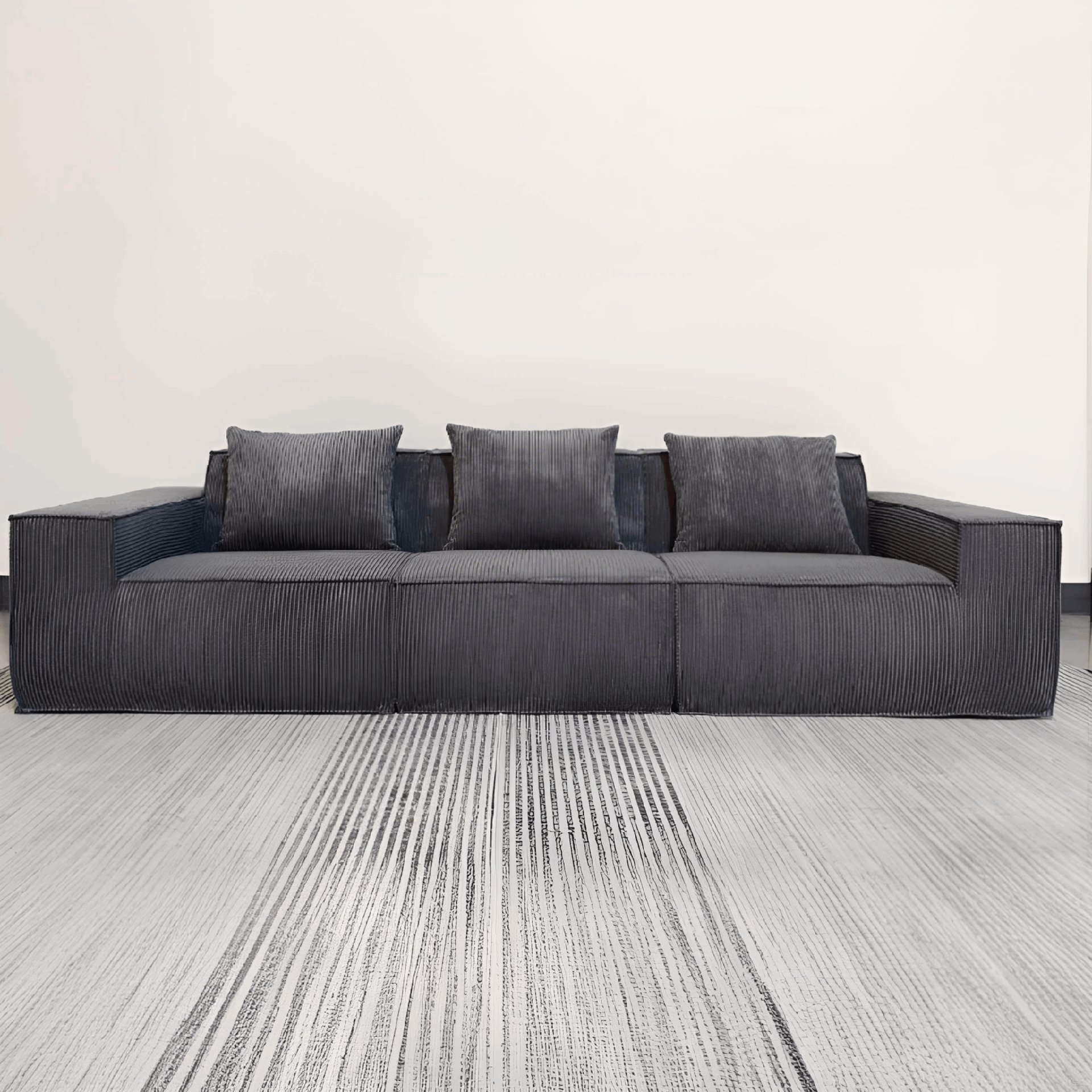
Collaborative and open-plan work environments expose task seating and modular lounge systems to relentless daily utilization by diverse user profiles. Structural frames must be constructed from cold-rolled carbon steel tubing with a minimum wall thickness of 1.5 millimeters, reinforced with internal gussets at high-stress joint intersections. For wooden structural elements, kiln-dried multi-ply eucalyptus or engineered birch plywood prevents warping in fluctuating ambient humidity environments while providing superior screw-holding capacity compared to standard particle board.
Cushion longevity depends heavily on high-resiliency polyurethane molded foam with a density rating exceeding 45 kilograms per cubic meter, preventing premature sagging and loss of ergonomic contour. Upholstery materials must meet stringent commercial abrasion standards, requiring commercial-grade woven fabrics or high-grade faux leathers rated for a minimum of 100,000 double rubs on the Wyzenbeek scale. Additionally, mechanism selection should prioritize heavy-duty syncro-tilt chassis featuring multi-position locking, integrated seat-depth adjustment, and class-4 gas cylinders certified to BIFMA X5.1. Specifying these core material and mechanism standards eliminates premature failure in high-turnover settings where maintenance resources are limited. Procurement teams should require material safety data sheets, independent laboratory test reports, and fabric flammability certificates before authorizing bulk production runs.
Site delivery on Office Furniture for Coworking Space fails when site access, lift dimensions, and phased install windows are negotiated as afterthoughts. Facility managers should lock after-hours access, floor protection, and spare-parts kits before the first wave arrives so punch-list holds do not cascade into storage. Pre-alert packing accuracy, caster class, and modular junction hardware must be reviewed in the same huddle that awards the bulk PO. Publish named owners for receiving and assembly so disputes stay tied to auditable milestones. Publish a rework path for finish mismatches so peak production awards stay auditable.
| Procurement Dimension | Direct OEM Factory | Trading Intermediary | Decision Gate |
|---|---|---|---|
| Unit Cost at Volume | Factory-direct baseline (lowest landed cost) | 15%–30% layered trading markup | Verify raw material BOM breakdown |
| Custom Tooling & CAD | Direct engineering team & tooling control | Limited to partner factory catalog specs | Require 3D CAD sign-off & Golden Sample |
| Sample Lead Time | 10–18 days post-finish confirmation | +7–14 days due to multi-layer routing | Bind sample approval to bulk PO deposit |
| QC & AQL Transparency | Direct line access to in-line audits (AQL 2.5) | Dependent on third-party agent reports | Mandate pre-shipment photo & video audit pack |
Common mistake: Skipping caster class and glide specs on multi-floor office BOMs.
Risk alert: Cheap casters mark hard floors and seize on carpet under continuous rolling.
Why Do Buyers Spec Office Furniture for Coworking Space Against Real Duty-Cycle Wear in Open Offices?
On Office Furniture for Coworking Space, commercial furniture programs win when duty-cycle specs, mesh density, and mechanism cycles are locked before RFQ. Buyers should require factories to confirm frame gauges, fabric rub counts, and sample lead times in writing so rework never arrives as silent invoice shock. Production buffers must sit beside cartonization plans so last-minute finish changes do not burn MOQ deposits. Keep named owners for sampling, QC, and packing on one shared brief. Reconfirm exception paths for finish mismatches before bulk cutting is finalized. Itemize mechanism cycles, mesh density, and fabric rub counts so RFQs never hide spec gaps.
Open-plan coworking hubs experience significantly higher operational duty cycles than traditional private offices, as hot-desking, daily reconfiguration, and multi-user shifts accelerate physical wear. Standard residential-grade or light commercial furniture deteriorates rapidly under these conditions, resulting in wobbly legs, jammed cable management hatches, and frayed task chair mesh. Specifying furniture engineered for 24/7 commercial duty cycles guarantees that joints, fasteners, and moving parts withstand continuous adjustment and heavy loading without catastrophic structural failure. Analyzing real-world usage patterns reveals that cantilevered work surfaces and shared collaborative tables endure frequent cantilever loads, leaning, and impact from mobile pedestal storage units.
Hardware specifications must incorporate tamper-resistant fasteners, heavy-duty locking castors with polyurethane treads, and reinforced mounting brackets that distribute weight evenly across the structural frame. Ignoring these operational realities during the initial procurement phase invariably leads to costly warranty claims, disruptive maintenance interventions, and premature asset replacement cycles. Aligning technical specifications with actual office traffic density protects brand reputation and ensures long-term return on investment for facility operators and real estate developers. When drafting purchasing agreements, buyers must tie compliance directly to internationally recognized testing protocols that simulate years of accelerated mechanical stress. This rigorous approach bridges the gap between catalog aesthetics and the harsh operational demands of modern shared workspaces.
Common mistake: Ordering non-matching modules that cannot share connectors across phases.
Risk alert: Fixed lounge footprints block flexible collaboration zones during peak events.
What Warranty Coverage Should Buyers Require When Sourcing Office Furniture for Coworking Space?
Beyond structural frameworks, commercial contracts need explicit provisions covering surface finish durability, including powder-coat adhesion, veneer lamination peeling, and high-pressure laminate edge-banding integrity. When negotiating with original equipment manufacturers in China, buyers must establish whether warranty claim fulfillment requires physical component repatriation or relies on verified photo and video documentation backed by a spare-parts credit memo. Clear remedial protocols prevent costly international freight disputes and eliminate downtime during rapid facility fit-out expansions across the United Arab Emirates.
Enforcing accountability requires tying warranty terms directly to milestone payment schedules and final balance releases following destination site inspections in Abu Dhabi. Procurement leads should demand that manufacturers stock dedicated spare-part inventories for each custom desk profile and seating model supplied, reducing lead times for routine maintenance replacements. Integrating these legally binding service-level clauses into the master supply agreement safeguards the coworking brand’s reputation against premature component failure and protects capital investment values over multi-year asset lifecycles.
Coworking spaces experience severe cyclic wear across desking surfaces, task seating, and collaborative soft zones, meaning standard residential or light commercial warranties fail to cover operational reality. Sourcing teams should enforce a minimum ten-year structural guarantee on welded steel frames and five-year mechanical coverage on pneumatic cylinders, synchronous tilt mechanisms, and articulating monitor arms. Supplier agreements must explicitly define acceptable multi-shift usage thresholds, ensuring the factory absorbs repair or replacement liabilities if components fail under high-occupancy conditions within the agreed operational window.
Common mistake: Treating commercial and residential office warranties as interchangeable.
Risk alert: Under-specified frame wall thickness fails early on high-turnover office floors.
What Spare-Parts and Color-Match Clauses Belong in a Office Furniture for Coworking Space MSA?
Master supply agreements for flexible workspace projects must mandate that manufacturers reserve dedicated raw material batches and powder-coat dye lots for a minimum of three years post-delivery. Because coworking layouts evolve continuously through reconfiguration and expansion, matching existing charcoal frame finishes or specific acoustic felt panel colors is critical for maintaining aesthetic cohesion. The agreement should require the factory to provide a standardized color recipe and physical master swatch signed by both parties before bulk production begins, eliminating chromatic drift across subsequent reorders.
To mitigate operational disruptions caused by accidental tenant damage or component wear, the procurement contract needs to mandate a mandatory spare-parts allocation equal to two to five percent of the total order volume. This complementary or discounted stock should comprise vulnerable wear items such as heavy-duty castors, armrest pads, gas lifts, modesty panel brackets, and electrical grommet inserts. Specifying exact part numbers and interchangeable component dimensions in the contract appendices ensures local facility management teams can execute rapid repairs without waiting for overseas factory shipments. Furthermore, the master supply agreement must stipulate transparent pricing formulas for future component reorders, preventing suppliers from imposing exorbitant spot rates once the initial project phase concludes.
Common mistake: Mixing soft cushions with hard frames without moisture barriers in the same stack.
Risk alert: Stuffing to theoretical maximum CBM leaves no bracing clearance and crushes finishes.
How Should IT and Facilities Align Raceway Specs Around Office Furniture for Coworking Space?
When specifying desking configurations for Abu Dhabi commercial fit-outs, procurement specialists need to verify that built-in power modules and flip-top access boxes comply with local electrical standards and voltage requirements. The raceway capacity within each workstation must accommodate high-density data cabling, HDMI pass-throughs, and multi-port USB charging hubs without pinching cords or restricting airflow around integrated transformers. Detailed CAD coordination drawings must be signed off by both the interior designer and the contractor before factory fabrication begins to eliminate costly field modifications. The master specification sheet should also address easy access for future IT maintenance, ensuring that flip-top lids and hinged modesty panel troughs allow technicians to service cables without dismantling entire workstation clusters.
On Office Furniture for Coworking Space, commercial furniture programs win when duty-cycle specs, mesh density, and mechanism cycles are locked before RFQ. Buyers should require factories to confirm frame gauges, fabric rub counts, and sample lead times in writing so rework never arrives as silent invoice shock. Production buffers must sit beside cartonization plans so last-minute finish changes do not burn MOQ deposits. Keep named owners for sampling, QC, and packing on one shared brief. Reconfirm exception paths for finish mismatches before bulk cutting is finalized.
On Office Furniture for Coworking Space, landed-cost control depends on separating contractual unit prices from tooling deposits, exclusive fabric upcharges, and spare-parts kits before award. Teams should validate AQL gates, ISPM-15 wood packs, and KD load plans against install calendars so receiving delays do not silently convert into project storage fees. A written exception path for color ΔE failures and mechanism rejects keeps procurement from paying premium rework without an auditable alternative.
Common mistake: Accepting fabric claims without Martindale abrasion or duty-cycle documentation.
Risk alert: Low-rub upholstery pills and tears under shared workstation duty cycles.
Decision Framework
By volume: Map MOQ tiers and SKU mix before award—mixed lounge and seating orders need aligned finish families and KD carton plans for Office Furniture for Coworking Space.
By speed: Prototype approval (10–18 days) gates bulk production; rush awards without signed samples reset tooling and MOQ economics on Office Furniture for Coworking Space.
By cargo profile: Flag fire/safety marks (BIFMA, EN 16139, and market-relevant fire/composite-wood evidence) before production—not after export packing.
Real-World Corridor Case Studies
A flexible workspace operator ordered mixed lounge modules with logo embroidery and two finish families. Tooling amortization and MOQ tiers were written into the award sheet before deposit. Our engineering team kept modular junction hardware consistent so future expansion bays matched the first install.
A distributor’s first import used flat-pack KD cartons to lift 40HQ utilization without pre-assembled air. Carton dims, ISPM-15 corner boards, and hardware kit labeling were verified against the stuffing plan. Our engineering team aligned site-access and floor-staging notes so CBD stores without loading bays could receive without re-delivery fees.
Execution Checklist for Office Furniture for Coworking Space
Lock commercial durability specs, OEM samples, and compliance packs before authorizing bulk production on Office Furniture for Coworking Space.
Validate KD carton plans, AQL evidence, and install-date buffers so project rollouts stay intact. Keep this checklist handy when advancing a office furniture for coworking space abu dhabi.
Process and Checkpoints
CAD Sign-off & Finish Lock
Freeze floor plans, seating counts, fabric/color codes, and CAD drawings before any Golden Sample for Office Furniture for Coworking Space.
Pre-Production Golden Sample
Approve PP/Golden Sample for frame gauge, mechanism cycles, fabric rub counts, and hardware grades tied to Office Furniture for Coworking Space before bulk deposit.
Incoming Material Inspection
Verify steel/foam/fabric/timber lots, moisture targets, and finish batches against the signed BOM for Office Furniture for Coworking Space.
In-Line Production Patrol
Run weld, powder-coat, cushion, and joinery patrols against the commercial BOM during bulk production of Office Furniture for Coworking Space.
AQL Pre-Shipment Audit
Execute AQL 2.5 (or project-specified) final inspection with photo/video evidence before export packing for Office Furniture for Coworking Space.
KD Stuffing Oversight
Supervise carton dims, corner protection, and 40HQ cube targets so Office Furniture for Coworking Space KD loads leave the factory undamaged.
Confirm the right route for your shipment
Need a scoped factory quote? Share finish codes, MOQ targets, and install dates for a commercial furniture proposal. Get a Quote
Request a route reviewFrequently Asked Questions
When do buyers compare BIFMA versus EN furniture test standards on commercial seating?
U.S. office and contract seating often references BIFMA X5 series; EU projects lean on EN 1335 / EN 16139. Map the destination market before accepting a factory lab report.
What sample lead time should B2B buyers plan before bulk furniture production?
Prototype or PP samples typically take 10–18 days after drawings and finish codes are locked; bulk production then runs about 25–40 days after written sample approval.
What CBM utilization target is realistic for a 40HQ furniture load?
Most finished-goods programs plan 65–70 CBM in a 40HQ after bracing, aisle clearance, and non-stackable SKU buffers are reserved.
How should hardware and fittings be packed on KD furniture exports?
Bag hardware kits to cartons, label piece counts, and keep fittings off damp container floors to avoid rust claims at retail receiving.
How do MOQ tiers change for logo embroidery or fabric exclusives on office programs?
Exclusive fabrics and embroidered logos usually raise MOQ versus stock covers; negotiate staged first runs and leftover fabric liability before sample sign-off.
Which fire and safety documents matter for commercial furniture projects?
Ask for EN 13501 / EN 1021 / EN 16139 evidence plus REACH composite-wood documentation before bulk seating or casegoods ship to the EU market.
Unit pricing, MOQ tiers, and lead times move with raw-material indexes and finish-approval cycles. Confirm a scoped factory quote after sample sign-off.
This guide is commercial furniture procurement education, not legal or contract advice. Validate fire/safety marks for your destination market.