

Office Workstation Seville: Ergo Range & Mechanism Spec
High-traffic coworking floors expose residential-grade frames when procuring Office Workstation Seville without published commercial load ratings and mechanism cycle evidence. Task chairs and bench desking need published gas-lift class ratings, duty-cycle specs, and commercial fabric rub counts for high-traffic corporate floors. With cube-aware KD engineering and site-delivery planning, Office Furniture Wholesale helps importers protect both product quality and install dates. Explore commercial durability grades, UV/foam/hardware benchmarks, and OEM sample gates in this 2026 B2B procurement playbook.
Key Takeaways
Lock commercial specs and Golden Sample approval before bulk cutting on office workstation seville.
Confirm MOQ tiers, finish families, and AQL gates in the award sheet.
Validate KD packing and install dates — published lead times drift with materials.
Which BIFMA X5.1 and EN 1335 Gates Apply to Bulk Office Workstation Seville Orders?
Bulk procurement of Office Workstation Seville requires strict adherence to BIFMA X5.1 structural performance standards to ensure durability across high-density environments. These tests simulate intensive load-bearing cycles, focusing on backrest strength, seat drop durability, and swivel mechanism fatigue. By mandating these specific mechanical benchmarks during the pre-production phase, buyers mitigate mechanical failure risks that often plague mass-produced furniture. Every production batch must undergo destructive testing protocols to verify that the workstation core retains its integrity under continuous multi-shift operation.
EN 1335 European standards further refine these requirements by focusing on ergonomic adjustability and dimensional safety for diverse user populations. For Office Workstation Seville exports, compliance is validated through a certified Commercial Invoice and Packing List, which must be cross-referenced against independent lab reports before the packing specification is issued. Aligning these international standards prevents costly rework or rejection at customs, ensuring that the structural integrity of the workstations meets the rigorous expectations of global facility managers and health inspectors. To maintain compliance across global supply chains, exporters must ensure that their manufacturing facility holds valid certification for both BIFMA and EN protocols.
On Office Workstation Seville, landed-cost control depends on separating contractual unit prices from tooling deposits, exclusive fabric upcharges, and spare-parts kits before award. Teams should validate AQL gates, ISPM-15 wood packs, and KD load plans against install calendars so receiving delays do not silently convert into project storage fees. A written exception path for color ΔE failures and mechanism rejects keeps procurement from paying premium rework without an auditable alternative. Itemize mechanism cycles, mesh density, and fabric rub counts so RFQs never hide spec gaps.
| Spec Dimension | MFC / Particleboard | MDF | Solid Wood / Plywood |
|---|---|---|---|
| Core Structure | Cost-efficient panel for carcass & shelving | Dense uniform core for routed profiles | Premium frames, tabletops, exposed edges |
| Surface / Finish | Melamine or HPL laminate options | Paint, veneer, or HPL with PUR edge | Oil, lacquer, or natural grain sealers |
| Load / Stiffness | Good for static retail shelving loads | Higher screw-hold for hardware inserts | Best cyclic load for chairs & tables |
| Emissions Grade | E0 / CARB P2 / TSCA Title VI available | E0 / CARB P2 with sealed edges | Naturally low-VOC when unfinished |
Common mistake: Buying showroom aesthetics alone without published weight-capacity and joint specs.
Risk alert: Residential-grade tubes and soft joints rack under continuous coworking occupancy.
How Do ANSI Fatigue Reports De-Risk Multi-Site Office Workstation Seville Procurement?
ANSI fatigue reports provide the technical validation necessary for scaling Office Workstation Seville deployments across multiple international sites. These reports quantify the expected wear-and-tear of critical components, such as pneumatic cylinders and locking mechanisms, under accelerated stress conditions. By utilizing standardized ANSI testing data, procurement teams can forecast the lifecycle cost of their furniture assets more accurately. This data-driven approach allows for the selection of workstation configurations that align with the specific usage intensity of different global regional offices.
For multi-site rollouts, these fatigue reports serve as a baseline for quality assurance audits conducted by accredited third-party inspectors. When shipping from the origin Global, the inclusion of detailed test results alongside the standard Commercial Invoice and Packing List provides customs officials and internal auditors with transparent proof of product longevity. This level of documentation is essential for maintaining consistency in asset performance, regardless of the destination, and helps in managing the lifecycle of Office Workstation Seville units effectively.
Effective risk management in global procurement relies on the rigorous application of these ANSI metrics to filter out sub-standard components before they reach the assembly line. By requiring these reports as part of the formal procurement submission, buyers ensure that every Office Workstation Seville unit meets the required duty-cycle specifications. This technical rigor ultimately shields the organization from mid-cycle failures and reduces the need for emergency replacements, thereby optimizing the total cost of ownership across the entire, far-reaching enterprise network.
| Procurement Dimension | Direct OEM Factory | Trading Intermediary | Decision Gate |
|---|---|---|---|
| Unit Cost at Volume | Factory-direct baseline (lowest landed cost) | 15%–30% layered trading markup | Verify raw material BOM breakdown |
| Custom Tooling & CAD | Direct engineering team & tooling control | Limited to partner factory catalog specs | Require 3D CAD sign-off & Golden Sample |
| Sample Lead Time | 10–18 days post-finish confirmation | +7–14 days due to multi-layer routing | Bind sample approval to bulk PO deposit |
| QC & AQL Transparency | Direct line access to in-line audits (AQL 2.5) | Dependent on third-party agent reports | Mandate pre-shipment photo & video audit pack |
Common mistake: Omitting foam density and recovery specs when comparing premium vs budget seats.
Risk alert: Under-density foam bottoms out after months of all-day task-chair use.
Why Do Buyers Spec Office Workstation Seville Against Real Duty-Cycle Wear in Open Offices?
Open-office configurations subject furniture to non-stop utilization, necessitating that Office Workstation Seville specifications account for real-world duty-cycle wear rather than theoretical usage. Buyers must prioritize high-grade frame materials and wear-resistant surface finishes that can withstand the constant interaction of diverse staff. By analyzing historical utilization data, facility managers can specify heavier-duty hardware that exceeds standard residential benchmarks. This shift toward operational-grade components ensures that the workstation remains functional and aesthetically consistent throughout its intended service life in high-traffic environments.
The procurement process for these high-duty units requires meticulous attention to the Commercial Invoice and Packing List, ensuring that every component is accounted for under the Universal Trade Standards. Proper documentation, including the packing specification, confirms that the specific workstation configuration aligns with the intended duty-cycle profile. By balancing these technical requirements with the logistical realities of global freight, organizations can ensure that their Office Workstation Seville inventory arrives ready for installation without needing immediate modifications or component upgrades to handle daily stress. When specifying Office Workstation Seville for high-intensity duty cycles, buyers should integrate performance guarantees into their supplier agreements. This involves verifying that the manufacturer adheres to SOLAS and WCO standards, which govern the safe and compliant transport of industrial goods.
On Office Workstation Seville, commercial furniture programs win when duty-cycle specs, mesh density, and mechanism cycles are locked before RFQ. Buyers should require factories to confirm frame gauges, fabric rub counts, and sample lead times in writing so rework never arrives as silent invoice shock. Production buffers must sit beside cartonization plans so last-minute finish changes do not burn MOQ deposits. Keep named owners for sampling, QC, and packing on one shared brief. Reconfirm exception paths for finish mismatches before bulk cutting is finalized. Reconcile packing lists, carton marks, and SKU counts before stuffing so receiving does not stall.
Common mistake: Ordering non-matching modules that cannot share connectors across phases.
Risk alert: Fixed lounge footprints block flexible collaboration zones during peak events.
What Sample Lead Times and Tooling Deposits Apply to Office Workstation Seville Pilots?
Pilot programs for Office Workstation Seville require a defined window for sample production, typically involving a 4-to-6-week lead time to account for tooling adjustments and quality control verification. During this phase, buyers must provide a deposit to cover the cost of precision molds and specialized jigs needed to meet specific design requirements. This financial commitment ensures that the manufacturer prioritizes the pilot batch, allowing for a thorough evaluation of the workstation’s ergonomics and structural robustness before committing to large-scale global production orders. These files are essential for clearing customs under Universal Trade Standards, ensuring that the sample units are classified correctly. Tooling deposits are a critical aspect of the procurement contract, often tied to the successful completion of initial performance tests.
Peak-season awards on Office Workstation Seville fail when finish and mechanism allocations are left out of the written quote. Procurement should require published lead times for exclusive covers, mechanism substitutions, and contingency SKUs before cargo-ready dates lock. Finish rejects need a named recovery path with alternate lots. Finance and ops must share one brief that separates base unit cost from tooling and packing add-ons. Defend install windows with site-access notes, lift constraints, and phased delivery locks.
For Office Workstation Seville: lock finish boards, AQL photo packs, and named packing owners before the bulk deposit clears so install calendars stay enforceable.
Common mistake: Locking MOQ and colorways verbally without signed finish boards and BOM.
Risk alert: Starting bulk production before written PP sample approval triggers costly rework.
How Can Facility Managers Spec Modular Office Workstation Seville for Coworking Fit-Outs?
Modular Office Workstation Seville designs facilitate rapid reconfiguration for coworking spaces by utilizing standardized under-desk cable management trays and tool-free leg adjustment systems. Facility managers should prioritize systems that allow for modular expansion, where individual workstations can be linked via shared structural frames to reduce the total footprint and component count. Integrating these modular elements requires a precise understanding of floor-box locations and power distribution paths, ensuring that every workstation cluster remains fully functional despite frequent user turnover.
Strategic fit-out planning involves selecting modular components that support quick-release screen dividers and interchangeable privacy panels. By standardizing the connection points across the Office Workstation Seville range, managers can swap out acoustic barriers or side-storage units without necessitating a complete teardown of the desk structure. This flexibility is essential for coworking operators who must adapt their floor plans to accommodate varying team sizes and privacy requirements while maintaining a cohesive aesthetic across the entire facility footprint. Effective procurement for coworking environments relies on verifying that all modular joints and locking mechanisms are rated for frequent assembly and disassembly.
For Office Workstation Seville: itemize mechanism cycle ratings and EN evidence on one RFQ line so silent substitutions cannot land as invoice shock.
Common mistake: Planning seating counts without aisle widths and emergency egress paths.
Risk alert: Overcrowded workstation layouts violate circulation clearances for accessibility.
What Line-Audit Checklist Predicts Reliable Office Workstation Seville Reorder Slots?
Predicting reliable reorder slots for Office Workstation Seville requires a rigorous line-audit checklist that evaluates raw material inventory levels versus current factory throughput capacity. Inspectors must monitor the lead times for critical components like pneumatic gas lifts and powder-coating consumables, as these are frequent bottlenecks in the supply chain. By tracking these specific input variables, procurement teams can anticipate production delays and negotiate buffer stock arrangements, ensuring that subsequent orders are fulfilled without the standard lead-time volatility observed in generic furniture manufacturing.
The audit process should specifically scrutinize the factory’s quality gate protocols, focusing on the consistency of the powder-coat finish and the alignment of drill holes for assembly hardware. A high-performing production line will demonstrate integrated jig-based welding for frame components, which significantly reduces the variance in workstation dimensions. Confirming that these automated processes are active during the initial pilot run allows buyers to forecast the reliability of future batches, effectively de-risking the supply chain for large-scale corporate rollouts. When the manufacturer maintains meticulous records of the packing specification and Packing List, it suggests a mature operational environment capable of managing complex export logistics.
| Audit Category | Primary Control Point | Reliability Impact |
|---|---|---|
| Material Sourcing | Pneumatic Lifter Stock | High |
| Process Control | Jig-Welding Alignment | Medium |
| Documentation | Export Filing Accuracy | High |
Common mistake: Omitting floor, lift, and time-window constraints from the delivery brief.
Risk alert: Addresses without loading access need staged floor handoffs and spare install kits.
How Do Commercial Office Workstation Seville Designs Meet Ergonomic Workstation Standards?
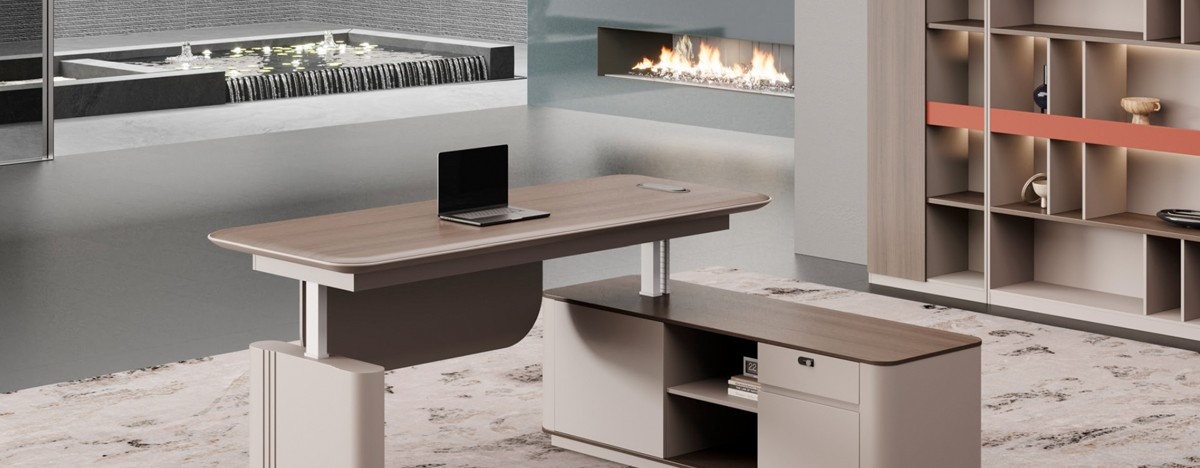
Commercial Office Workstation Seville designs integrate adjustable height ranges that comply with standard ergonomic reach zones, typically spanning 650mm to 1250mm. By adhering to these dimensions, the workstations accommodate a wide percentage of the global workforce, satisfying the core anthropometric requirements often cited in workplace wellness certifications. Procurement teams should mandate that the height-adjustment motors are tested for noise levels below 50 decibels, ensuring that the ergonomic functionality does not introduce acoustic distractions into the open-office environment. Ergonomic compliance extends to the surface depth and edge profiles, which must support healthy posture while preventing contact stress on the forearms. Office Workstation Seville units feature contoured front edges that distribute pressure evenly, a critical detail for users engaged in intensive keyboard and mouse work.
The integration of cable management systems is intrinsically linked to ergonomic safety, as clear legroom prevents repetitive strain injuries caused by awkward postures. Designing the Office Workstation Seville with built-in cable trays ensures that power cords and data lines remain organized and away from the user’s feet, maintaining a clean and safe workspace. This holistic approach to ergonomics—combining adjustable surfaces, supportive edge profiles, and organized cabling—ensures that the product meets the rigorous demands of modern health-focused corporate procurement standards Global.
Common mistake: Skipping modular junction hardware that lets operators expand seating without new SKUs.
Risk alert: Non-replaceable cushions force full-set replacement after abrasion in shared zones.
Decision Framework
By volume: Map MOQ tiers and SKU mix before award—mixed lounge and seating orders need aligned finish families and KD carton plans for Office Workstation Seville.
By speed: Prototype approval (10–18 days) gates bulk production; rush awards without signed samples reset tooling and MOQ economics on Office Workstation Seville.
By cargo profile: Flag fire/safety marks (BIFMA, EN 16139, and market-relevant fire/composite-wood evidence) before production—not after export packing.
Real-World Corridor Case Studies
A distributor’s first import used flat-pack KD cartons to lift 40HQ utilization without pre-assembled air. Carton dims, ISPM-15 corner boards, and hardware kit labeling were verified against the stuffing plan. Our engineering team aligned site-access and floor-staging notes so CBD stores without loading bays could receive without re-delivery fees.
A flexible workspace operator ordered mixed lounge modules with logo embroidery and two finish families. Tooling amortization and MOQ tiers were written into the award sheet before deposit. Our engineering team kept modular junction hardware consistent so future expansion bays matched the first install.
Execution Checklist for Office Workstation Seville
Lock commercial durability specs, OEM samples, and compliance packs before authorizing bulk production on Office Workstation Seville.
Validate KD carton plans, AQL evidence, and install-date buffers so project rollouts stay intact.
Process and Checkpoints
CAD Sign-off & Finish Lock
Freeze floor plans, seating counts, fabric/color codes, and CAD drawings before any Golden Sample for Office Workstation Seville.
Pre-Production Golden Sample
Approve PP/Golden Sample for frame gauge, mechanism cycles, fabric rub counts, and hardware grades tied to Office Workstation Seville before bulk deposit.
Incoming Material Inspection
Verify steel/foam/fabric/timber lots, moisture targets, and finish batches against the signed BOM for Office Workstation Seville.
In-Line Production Patrol
Run weld, powder-coat, cushion, and joinery patrols against the commercial BOM during bulk production of Office Workstation Seville.
AQL Pre-Shipment Audit
Execute AQL 2.5 (or project-specified) final inspection with photo/video evidence before export packing for Office Workstation Seville.
KD Stuffing Oversight
Supervise carton dims, corner protection, and 40HQ cube targets so Office Workstation Seville KD loads leave the factory undamaged.
Confirm the right route for your shipment
Need a scoped factory quote? Share finish codes, MOQ targets, and install dates for a commercial furniture proposal. Get a Quote
Request a route reviewFrequently Asked Questions
How should B2B buyers control color variance across furniture production lots?
Approve a sealed master swatch, write ΔE tolerance bands into the PO, and require lot-by-lot shade cards before bulk cutting so upholstery and powder coats match.
How does commercial-grade office furniture differ from residential desk sets?
Commercial grade emphasizes higher cycle ratings, thicker frames, replaceable parts, and modular expansion—residential sets optimize price and appearance for private homes.
What AQL sampling levels should B2B buyers specify on commercial furniture bulk runs?
Most contract programs use AQL 2.5 for major defects and AQL 4.0 for minor on seating and casegoods—require pre-shipment inspection photos when lots fail at the agreed gate.
What should buyers lock before awarding a private-mold (私模) furniture tool?
Confirm mold ownership, amortization against MOQ, spare-cavity rights, and finish change rules in writing so tooling cost is not stranded if SKUs evolve.
How should coworking operators plan modular office lounge and workstation layouts?
Use reconfigurable bench and lounge modules with consistent junction hardware so zones can expand for events without buying non-matching SKUs later.
How do MOQ tiers change for logo embroidery or fabric exclusives on office programs?
Exclusive fabrics and embroidered logos usually raise MOQ versus stock covers; negotiate staged first runs and leftover fabric liability before sample sign-off.
Unit pricing, MOQ tiers, and lead times move with raw-material indexes and finish-approval cycles. Confirm a scoped factory quote after sample sign-off.
This guide is commercial furniture procurement education, not legal or contract advice. Validate fire/safety marks for your destination market.