

Workspace Furniture: Task Load & EN 1335 Gate
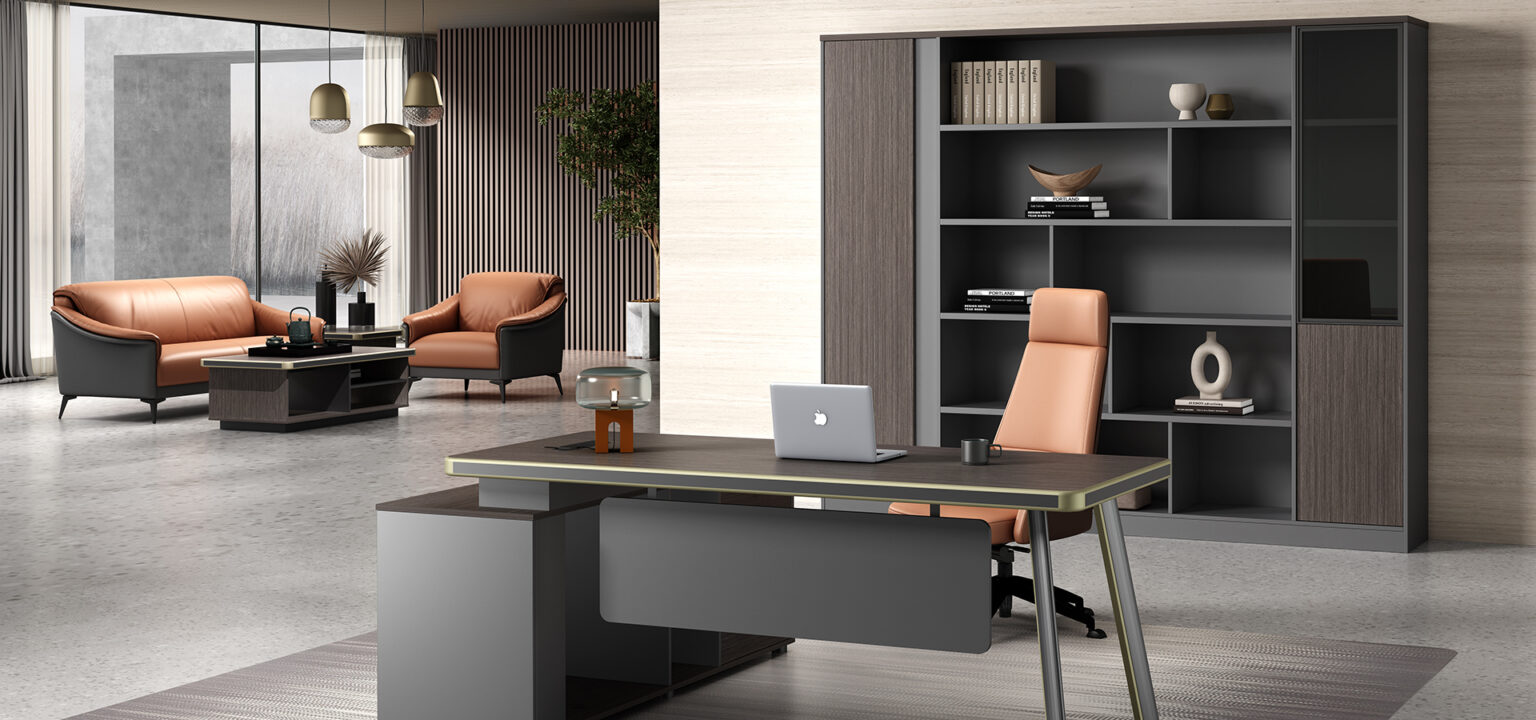
High-traffic commercial zones quickly expose residential-grade frames and fabrics when specifying Workspace Furniture for shared coworking or hospitality use. Buyers researching workspace furniture stockholm need auditable quotes and compliance checkpoints. Wholesale commercial assortments need consistent modular connectors, published weight capacities, and replaceable covers across reorder cycles. Through synchronized sampling and modular configuration support, Office Furniture Wholesale helps buyers convert fit-out briefs into manufacturable BOMs. Compare residential versus commercial outdoor grades, lead-time stages, and biosecurity packing requirements in this 2026 selection matrix.
Key Takeaways
Lock commercial specs and Golden Sample approval before bulk cutting on workspace furniture stockholm.
Confirm MOQ tiers, finish families, and AQL gates in the award sheet.
Validate KD packing and install dates — published lead times drift with materials.
What Line-Audit Checklist Predicts Reliable Workspace Furniture Reorder Slots?
Predicting reliable production slots for workspace furniture Stockholm shipments requires a rigorous line-audit checklist that evaluates the factory’s current utilization of specialized machinery. A failure to synchronize raw material procurement with available machine hours often leads to significant bottlenecks. Ensure your audit confirms that the factory floor management tracks real-time labor output against projected throughput targets for high-volume orders. Effective audits must document the consistency of finish quality and structural integrity across multiple shifts to prevent reorder discrepancies. By auditing the calibration of metal-bending and upholstery equipment during the pilot phase, you establish a baseline for quality control that minimizes the risk of rejected shipments upon arrival at the destination port.
On Workspace Furniture, commercial office programs win when EN duty-cycle specs, mechanism cycles, and fabric rub counts are locked before RFQ. Buyers should require factories to confirm frame gauges, EN 1335/16139 evidence, and sample lead times in writing so rework never arrives as silent invoice shock. Production buffers must sit beside cartonization plans so last-minute finish changes do not burn MOQ deposits. Keep named owners for sampling, QC, and packing on one shared brief. Publish a rework path for finish mismatches so peak production awards stay auditable.
On Workspace Furniture, landed-cost control depends on separating contractual unit prices from tooling deposits, exclusive fabric upcharges, and spare-parts kits before award. Teams should validate AQL gates, ISPM-15 wood packs, and KD load plans against install calendars so receiving delays do not silently convert into project storage fees. A written exception path for color ΔE failures and mechanism rejects keeps procurement from paying premium rework without an auditable alternative. Defend install windows with site-access notes, lift constraints, and phased delivery locks.
| Spec Dimension | MFC / Particleboard | MDF | Solid Wood / Plywood |
|---|---|---|---|
| Core Structure | Cost-efficient panel for carcass & shelving | Dense uniform core for routed profiles | Premium frames, tabletops, exposed edges |
| Surface / Finish | Melamine or HPL laminate options | Paint, veneer, or HPL with PUR edge | Oil, lacquer, or natural grain sealers |
| Load / Stiffness | Good for static retail shelving loads | Higher screw-hold for hardware inserts | Best cyclic load for chairs & tables |
| Emissions Grade | E1 / E0 / REACH available | E0 / E1 formaldehyde class with sealed edges | Naturally low-VOC when unfinished |
Common mistake: Buying showroom aesthetics alone without published weight-capacity and joint specs.
Risk alert: Residential-grade tubes and soft joints rack under continuous coworking occupancy.
What Frame, Mechanism, and Mesh Specs Define Durable Workspace Furniture?
The selection of frame materials for workspace furniture destined for Stockholm must account for the rigorous demands of sustained office use. High-grade cold-rolled steel or reinforced aluminum alloys are essential for structural longevity in high-traffic environments. When specifying these materials, ensure they meet the mechanical stress thresholds required for long-term stability. Advanced mechanism design is the primary differentiator for durable seating and workstation components. Look for synchronized tilt controls and weight-sensitive tension adjustments that have been fatigue-tested for over 100,000 cycles. These mechanisms must be precisely calibrated to handle the specific operational requirements defined by your facility layout. High-tensile mesh fabrics provide the necessary breathability and ergonomic support required by modern office standards in Northern Europe.
Mechanism sample gates on Workspace Furniture fail when Class-4 gas-lift lots and synchro-tilt cycle sheets are approved only after bulk cutting starts. Buyers should freeze EN 1335 evidence packs, mesh density targets, and spare-parts kits in the same PP brief so reorders do not reopen tooling. Named QC owners for weld and powder patrols keep multi-site fleets on one durability baseline. Align MOQ tiers, cartonization plans, and spare-parts kits in the same award brief.
For Workspace Furniture: lock finish boards, AQL photo packs, and named packing owners before the bulk deposit clears so install calendars stay enforceable. Itemize mechanism cycles, mesh density, and EN compliance packs so RFQs never hide spec gaps.
Common mistake: Approving finishes from photos alone without coating system and thickness notes.
Risk alert: Thin powder coats chip and expose steel to corrosion in high-touch shared zones.
How Do Commercial Workspace Furniture Designs Meet Ergonomic Workstation Standards?
Commercial workspace furniture designs for the Stockholm market must strictly adhere to regional ergonomic standards, which prioritize user wellness and physical alignment. The integration of sit-stand functionality and adjustable monitor arms is no longer optional but a baseline requirement for high-end office fit-outs. By incorporating these features into your China-sourced designs, you ensure that the furniture remains competitive and compliant with local workplace health mandates. The physical dimensions of workstations must be optimized to accommodate diverse user profiles while maintaining the spatial efficiency required for modern open-plan offices.
Designing for modularity allows businesses to reconfigure layouts as their team sizes evolve, which is a critical value proposition for Stockholm-based enterprises. Beyond individual workstations, the holistic design must consider the flow and usability of the entire office environment. Ergonomic furniture should complement the infrastructure, including cable management and power distribution, to create a cohesive workspace. As you manage the logistics from China to Stockholm, verify that your designs are optimized for flat-pack efficiency without compromising structural integrity. This balance of ergonomic sophistication and logistical practicality is essential for maintaining a high-performance supply chain while navigating the complex regulatory requirements of international trade.
For Workspace Furniture: confirm elevator dims, spare glide kits, and phased wave counts in the same huddle that awards cartonization. Reconcile packing lists, carton marks, and SKU counts before stuffing so receiving does not stall.
| Standard / Protocol | What It Validates | Typical Cycle / Gate | Buyer Checkpoint |
|---|---|---|---|
| EN 1335 / Level marks | Commercial structural durability (destination-agnostic baseline) | 100k–300k cycle fatigue bands | Request test report + batch sample ID |
| ISO 9001 / factory QMS | Process control and corrective-action discipline | Valid certificate + audit scope match | Verify scope covers the SKU family on award |
| FSC / PEFC + E0/E1 core | Responsible wood + low-VOC composite emissions | Chain-of-custody + mill certs per lot | Reject unlabelled core lots at IQC |
| AQL 2.5 Pre-Shipment | Lot quality sampling before ship | Major/minor defect counts per lot size | Hold deposit until AQL pack signed |
Common mistake: Treating commercial and residential office warranties as interchangeable.
Risk alert: Under-specified frame wall thickness fails early on high-turnover office floors.
What MOQ Tiers and KD Carton Plans Fit Wholesale Workspace Furniture Programs?
Establishing appropriate Minimum Order Quantity (MOQ) tiers requires a strategic balance between manufacturing feasibility and the logistical constraints of ocean freight. For wholesale programs, scaling your orders to fill standard container capacities is the most cost-effective approach for shipping from China to Stockholm. By defining clear MOQ thresholds, you enable manufacturers to optimize their production runs and reduce unit costs. Ensure that these tiers are mapped directly to your forecasted demand to prevent excess inventory holding costs at your destination warehouse. Knock-Down (KD) carton planning is the linchpin of efficient workspace furniture logistics, directly impacting the safety and integrity of your cargo.
On Workspace Furniture, commercial office programs win when EN duty-cycle specs, mechanism cycles, and fabric rub counts are locked before RFQ. Buyers should require factories to confirm frame gauges, EN 1335/16139 evidence, and sample lead times in writing so rework never arrives as silent invoice shock. Production buffers must sit beside cartonization plans so last-minute finish changes do not burn MOQ deposits. Keep named owners for sampling, QC, and packing on one shared brief.
On Workspace Furniture, landed-cost control depends on separating contractual unit prices from tooling deposits, exclusive fabric upcharges, and spare-parts kits before award. Teams should validate AQL gates, ISPM-15 wood packs, and KD load plans against install calendars so receiving delays do not silently convert into project storage fees. A written exception path for color ΔE failures and mechanism rejects keeps procurement from paying premium rework without an auditable alternative.
Common mistake: Assuming every factory can match Pantone and fabric lots without trial runs.
Risk alert: Unclear logo and branding specs delay OEM tooling and sample cycles.
How Should IT and Facilities Align Raceway Specs Around Workspace Furniture?
Integrating high-density power and data cabling into Stockholm workspace furniture requires early coordination between China-based manufacturers and local facility managers. When specifying aluminum or steel cable management trays, ensure the internal dimensions accommodate Swedish standard CAT6a shielded cabling, which is significantly thicker than domestic variants. Verify that the factory-installed power blocks are modular, allowing for quick swaps to comply with local electrical safety regulations before the units are permanently fixed into the open-plan office layout. Precision in raceway alignment prevents the common issue of cable fatigue caused by tight radii within the furniture frame.
During the design verification phase, request a digital mock-up that maps out the junction points between floor boxes and desk-mounted power strips. This technical alignment ensures that the furniture’s structural steel components do not obstruct access ports, facilitating easier maintenance and future hardware upgrades without requiring the furniture to be disassembled or moved by specialized teams. Finalizing these specifications requires a clear understanding of the workspace furniture Stockholm site requirements, particularly regarding fire safety certifications for cable routing plastics. Ensure that all internal wire management components are sourced from fire-retardant materials that meet European building codes.
| Pack Configuration | CBM / Set (KD) | Gross Weight Band | 40HQ Quantity Hint |
|---|---|---|---|
| Chair / stool (nested KD carton) | 0.08–0.18 CBM | 8–16 kg / set | 350–700 sets / 40HQ |
| Dining / conference table (split top + legs) | 0.25–0.55 CBM | 28–55 kg / set | 110–220 sets / 40HQ |
| Casegoods / storage (flat panels + hardware) | 0.35–0.75 CBM | 35–70 kg / set | 85–170 sets / 40HQ |
| Lounge / sofa (KD frame + loose cushions) | 0.55–1.10 CBM | 45–90 kg / set | 55–110 sets / 40HQ |
Common mistake: Accepting U.S.-only BIFMA reports for EU office seating awards.
Risk alert: Missing EN 1335 / EN 16139 packs can block commercial occupancy handover.
Why Do Buyers Spec Workspace Furniture Against Real Duty-Cycle Wear in Open Offices?
Procurement teams targeting Stockholm offices must look beyond static load testing and evaluate furniture against 24/7 duty-cycle wear. In high-traffic environments, mechanical parts such as height-adjustment motors and swivel joints face significantly more stress than standard home-office setups. By specifying components tested for over 20,000 cycles, buyers ensure that the furniture remains functional throughout its intended lifespan, reducing the need for premature replacements that disrupt corporate operations and increase the total cost of ownership.
Mechanism sample gates on Workspace Furniture fail when Class-4 gas-lift lots and synchro-tilt cycle sheets are approved only after bulk cutting starts. Buyers should freeze EN 1335 evidence packs, mesh density targets, and spare-parts kits in the same PP brief so reorders do not reopen tooling. Named QC owners for weld and powder patrols keep multi-site fleets on one durability baseline.
On Workspace Furniture, commercial office programs win when EN duty-cycle specs, mechanism cycles, and fabric rub counts are locked before RFQ. Buyers should require factories to confirm frame gauges, EN 1335/16139 evidence, and sample lead times in writing so rework never arrives as silent invoice shock. Production buffers must sit beside cartonization plans so last-minute finish changes do not burn MOQ deposits. Keep named owners for sampling, QC, and packing on one shared brief.
Common mistake: Omitting bagged, labeled fitting kits tied to each KD carton.
Risk alert: Hardware bags left loose rust and go missing before site assembly.
What Sample Lead Times and Tooling Deposits Apply to Workspace Furniture Pilots?
Launching a new furniture line for the Stockholm market involves a structured pilot phase where sample lead times typically range from four to six weeks. This period includes the production of prototypes and the necessary quality assurance testing to confirm the design meets local ergonomic standards. Tooling deposits are usually required for custom-molded parts or unique extrusion dies, ensuring the manufacturer has the capital to secure high-quality raw materials and prioritize the specific requirements of the project timeline.
This logistical synchronization is vital, as it allows for the early identification of potential production issues before full-scale manufacturing commences, effectively mitigating the risk of large-scale quality deviations during the final export cycle. When finalizing the financial terms for tooling, it is standard practice to negotiate a credit scheme where deposits are amortized over the total production volume. This approach reduces the initial capital burden for the Stockholm buyer while providing the manufacturer with long-term commitment. Ensure that all tooling ownership rights are clearly defined in the contract, allowing for flexibility in future production waves and protecting the design investment as the workspace furniture program scales up to meet broader regional demand.
Common mistake: Comparing supplier quotes without aligning sample, production, and packing stages.
Risk alert: Aggressive MOQ cuts without tooling amortization inflate unit cost later.
How Can Nested Cartonization Cut Damage Claims on Workspace Furniture Waves?
Optimizing the shipment of workspace furniture to Stockholm requires sophisticated cartonization strategies, specifically nesting components to minimize volumetric weight and air pockets. By designing packaging that allows for the interlocking of desktop panels and structural frames, logistics teams can significantly reduce the number of individual parcels, thereby lowering the probability of handling damage during the China to Stockholm transit. Proper nesting also maximizes container utilization, providing a more sustainable approach to shipping large-format office furniture. When nested cartonization is implemented, the reduced packaging footprint leads to more stable palletization, which is critical for ocean freight stability.
This enhanced structural support at the pallet level protects against the vibrations and shifts typical of long-distance transport, ensuring that delicate furniture elements arrive in showroom condition, ready for immediate assembly and deployment. To further mitigate damage, prioritize the use of high-density corrugated cardboard and edge protectors that are specifically engineered for the dimensions of the furniture kit. The goal is to create a rigid, unified block that minimizes internal movement without relying on excessive plastic wrap. By investing in custom-fitted inserts, importers ensure that even heavy steel components remain isolated from sensitive finishes.
Common mistake: Skipping factory capability audits before scaling multi-site rollouts.
Risk alert: Awarding on unit price alone hides weak QC, spare parts, and warranty support.
Decision Framework
By volume: Map MOQ tiers and SKU mix before award—mixed lounge and seating orders need aligned finish families and KD carton plans for Workspace Furniture.
By speed: Prototype approval (10–18 days) gates bulk production; rush awards without signed samples reset tooling and MOQ economics on Workspace Furniture.
By cargo profile: Flag fire/safety marks (EN 16139, EN 1021, and REACH composite-wood evidence) before production—not after export packing.
Real-World Corridor Case Studies
A distributor’s first import used flat-pack KD cartons to lift 40HQ utilization without pre-assembled air. Carton dims, ISPM-15 corner boards, and hardware kit labeling were verified against the stuffing plan. Our engineering team aligned site-access and floor-staging notes so CBD stores without loading bays could receive without re-delivery fees.
A flexible workspace operator ordered mixed lounge modules with logo embroidery and two finish families. Tooling amortization and MOQ tiers were written into the award sheet before deposit. Our engineering team kept modular junction hardware consistent so future expansion bays matched the first install.
Execution Checklist for Workspace Furniture
Lock commercial durability specs, OEM samples, and compliance packs before authorizing bulk production on Workspace Furniture.
Validate KD carton plans, AQL evidence, and install-date buffers so project rollouts stay intact. Keep this checklist handy when advancing a workspace furniture stockholm.
Process and Checkpoints
CAD Sign-off & Finish Lock
Freeze floor plans, seating counts, fabric/color codes, and CAD drawings before any Golden Sample for Workspace Furniture.
Pre-Production Golden Sample
Approve PP/Golden Sample for frame gauge, mechanism cycles, EN 1335 evidence, and hardware grades tied to Workspace Furniture before bulk deposit.
Incoming Material Inspection
Verify steel/fabric/timber lots, moisture targets, and finish batches against the signed BOM for Workspace Furniture.
In-Line Production Patrol
Run weld, powder-coat, mechanism, and joinery patrols against the commercial BOM during bulk production of Workspace Furniture.
AQL Pre-Shipment Audit
Execute AQL 2.5 (or project-specified) final inspection with photo/video evidence before export packing for Workspace Furniture.
KD Stuffing Oversight
Supervise carton dims, corner protection, and 40HQ cube targets so Workspace Furniture KD loads leave the factory undamaged.
Confirm the right route for your shipment
Need a scoped factory quote? Share finish codes, MOQ targets, and install dates for a commercial furniture proposal. Get a Quote
Request a route reviewFrequently Asked Questions
How can hospitality buyers keep powder-coat and wood-grain finishes consistent across SKUs?
Issue Pantone / RAL codes with gloss range, require panel retainers from the same coating batch, and reject mixed-batch frames that shift under office lighting.
When do buyers compare EN versus BIFMA furniture test standards on commercial seating?
EU office and contract seating lean on EN 1335 / EN 16139; U.S. programs often reference BIFMA X5. Map the destination market before accepting a factory lab report.
How should hardware and fittings be packed on KD furniture exports?
Bag hardware kits to cartons, label piece counts, and keep fittings off damp container floors to avoid rust claims at retail receiving.
Why do declared carton CBM and actual stuffed CBM diverge on furniture loads?
Outer padding, non-stackable overhang, and bracing clearance often add volume beyond factory carton specs used at booking.
How do MOQ tiers change for logo embroidery or fabric exclusives on office programs?
Exclusive fabrics and embroidered logos usually raise MOQ versus stock covers; negotiate staged first runs and leftover fabric liability before sample sign-off.
What phytosanitary marks should furniture wood packs carry for export?
Specify ISPM-15 heat-treated pallets and crate timber with visible stamps; missing marks trigger inspection holds and reconditioning at the importer’s expense.
Unit pricing, MOQ tiers, and lead times move with raw-material indexes and finish-approval cycles. Confirm a scoped factory quote after sample sign-off.
This guide is commercial furniture procurement education, not legal or contract advice. Validate fire/safety marks for your destination market.