
Why Partnering with an Office Furniture Supplier with OEM Service is the Best Strategy for 2026?
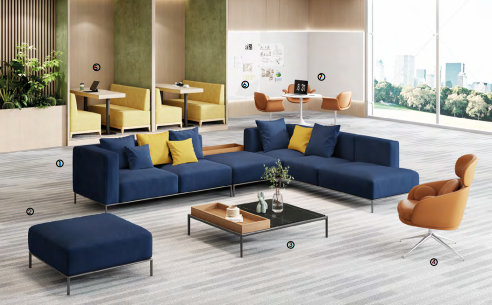
The commercial landscape of 2026 has shifted toward hyper-personalization in the workplace. Business buyers and procurement managers are no longer satisfied with generic, one-size-fits-all furniture solutions. They require pieces that reflect a specific brand identity and meet unique ergonomic needs. Finding a reliable office furniture supplier with OEM service has become a critical competitive advantage for distributors and large-scale enterprises alike. This partnership allows companies to create exclusive product lines without investing in their own manufacturing facilities. By leveraging the expertise of an established factory, you can transform a simple design concept into a market-ready product. This guide explores how to navigate the complexities of OEM manufacturing to ensure your 2026 projects are both functional and profitable.
✦
Defining the Role of an Office Furniture Supplier with OEM Service
An OEM or Original Equipment Manufacturer produces furniture based on the buyer’s specific designs and requirements. Unlike purchasing stock items, this service gives you full control over the materials, dimensions, and branding of the final product. The supplier provides the machinery, labor, and technical expertise to bring your vision to life.
In 2026, the best suppliers act as consultants rather than just manufacturers. They help refine your designs for better structural integrity and cost-efficiency. This collaborative approach ensures that the furniture is not only beautiful but also durable enough for high-traffic office environments.
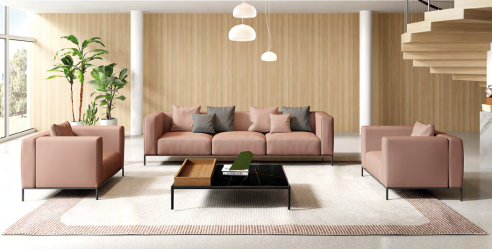
Choosing an office furniture supplier with OEM service allows you to fill gaps in the current market. You can develop specialized products like height-adjustable desks with integrated smart technology or acoustic seating for open-plan offices. This level of customization is what sets leading furniture brands apart from their competitors.
Strategic Advantages of Private Labeling in the 2026 Market
Private labeling through an OEM partner allows you to build brand equity without the overhead of a factory. You can place your logo and custom packaging on high-quality products that meet your specific standards. This builds trust with your clients who recognize your brand as a mark of quality.
By controlling the design, you also control the price point and profit margins. You are no longer competing on price against dozens of other distributors selling the exact same chair model. Your unique offerings allow for premium pricing based on exclusive features and design aesthetics.
Furthermore, OEM services provide a scalable solution for growing businesses. You can start with a small custom batch and increase production as demand grows. This flexibility is vital for managing inventory risks in a fast-paced commercial market.
Critical Criteria for Selecting a Manufacturing Partner
Not every factory is equipped to handle complex OEM requests. You must evaluate their technical capabilities, including the precision of their CNC machinery and the skill of their welding or upholstery teams. Ask for a portfolio of previous custom projects to verify their craftsmanship.
Communication is the foundation of a successful OEM relationship. Your supplier must have a dedicated project management team that understands your technical specifications. Misunderstandings during the design phase can lead to costly errors during mass production.
In 2026, certifications for sustainability and safety are non-negotiable. Ensure your partner complies with international standards like ISO, BIFMA, and FSC. These certifications protect your brand from liability and appeal to eco-conscious corporate buyers.
Managing the Design and Prototyping Phase
The OEM process begins with detailed CAD drawings or 3D models provided by your team. If you do not have in-house designers, many top-tier suppliers offer design assistance to bridge the gap. They will review your concepts to ensure they are manufacturable at scale.
Prototyping is the most crucial step in the OEM journey. It allows you to test the ergonomics, material feel, and structural stability of the furniture before committing to a large order. Expect to go through at least one or two iterations to perfect the details.
During this phase, pay close attention to the small details like hardware quality and seam finishing. These elements define the perceived value of the product. A successful prototype serves as the gold standard for all future production units.
Material Innovation and Sustainability Standards
The 2026 furniture industry is focused on circular design and recycled materials. When working with an OEM supplier, ask about their access to sustainable textiles and carbon-neutral wood sources. High-performance recycled plastics are also becoming popular for ergonomic seating components.
Material selection directly impacts the longevity of the furniture. For example, using high-density foam in seating ensures that chairs maintain their shape over years of use. Similarly, powder-coated steel frames offer better scratch resistance than standard paint finishes.
Your choice of materials also affects the shipping weight and assembly process. Lightweight but strong materials can reduce logistics costs and make on-site installation easier for your clients. Always balance aesthetic appeal with practical performance requirements.
| Feature | Off-the-Shelf | OEM Service | ODM Service |
|---|---|---|---|
| Design Control | None | High (Buyer Design) | Medium (Supplier Design) |
| Branding Options | Generic/Supplier Brand | Full Private Label | Private Label |
| Time to Market | Very Fast | Moderate (Prototyping needed) | Fast |
| Initial Cost | Low | Higher (Tooling/Design) | Moderate |
| Market Exclusivity | None | Total Exclusivity | Limited |
Ensuring Quality Consistency Across Large-Scale Batches
Maintaining quality during a production run of 1,000 units is different from creating a single prototype. A professional office furniture supplier with OEM service will have a robust Quality Management System (QMS) in place. This includes raw material inspection and mid-production checks.
You should define clear Acceptance Quality Limits (AQL) before production starts. This document outlines what constitutes a minor, major, or critical defect. It provides a transparent framework for both you and the factory to judge the final output.
Third-party inspections are a wise investment for large international orders. Having an independent auditor check the goods before they are packed provides an extra layer of security. It ensures that every item shipped meets your brand’s reputation for excellence.
Maximizing Profit Margins through Volume Production
The primary financial benefit of OEM manufacturing is the reduction in unit cost through economies of scale. As your order volume increases, the fixed costs of tooling and setup are spread across more units. This allows you to achieve a lower cost per piece than buying from a wholesaler.
In 2026, smart procurement managers also look for ways to optimize the bill of materials. Your supplier can suggest alternative components that offer similar performance at a lower price point. These small adjustments can significantly improve your overall profit margins.
Efficient packaging design is another way to save money. By designing furniture that can be shipped flat-packed without risking damage, you reduce storage and transportation costs. This is particularly important for e-commerce distributors who ship directly to end-users.
Future-Proofing Your Inventory with Modular Designs
Modular office furniture is a major trend for 2026 because it adapts to changing office layouts. When using OEM services, focus on creating interchangeable parts. A single desk leg design might work across several different tabletop sizes and shapes.
This modular approach reduces the number of unique SKUs you need to manage. It also allows your customers to expand their office setups easily in the future. Providing a system rather than a standalone product creates long-term customer loyalty.
Investing in modularity also simplifies the repair and replacement process. If a single component is damaged, the customer only needs to replace that part rather than the entire unit. This sustainability-minded service model is highly valued in the modern corporate world.
The Path Forward for Custom Office Solutions
Partnering with an office furniture supplier with OEM service is more than just a manufacturing choice; it is a strategic business move. It empowers you to innovate, brand, and scale in a way that traditional wholesale cannot match. By focusing on quality, communication, and modular design, you can meet the high expectations of the 2026 market.
As you move forward, remember that the most successful OEM partnerships are built on transparency and shared goals. Choose a manufacturer that understands your vision and has the technical capability to execute it flawlessly. With the right partner, your custom furniture line will become a cornerstone of your business growth.
Ready to elevate your brand with custom-manufactured solutions? Contact our expert team today to discuss how our office furniture supplier with OEM service can bring your 2026 designs to life. Visit our product gallery or request a manufacturing consultation to get started.
Request Quote