
How to Choose an Office Furniture Supplier for Interior Designers: The 2026 Professional Guide
The landscape of commercial design has shifted dramatically in 2026. Interior designers are now tasked with creating workspaces that are not only functional but also deeply focused on employee wellness and environmental responsibility. A reliable office furniture supplier for interior designers has become a critical partner in navigating these complex requirements. Choosing the right partner can mean the difference between a project that finishes on time and one that suffers from endless delays and quality issues. Designers need more than just a catalog; they need a resource that understands the nuances of modern work culture. This guide explores how to identify a supplier that aligns with your creative vision and business goals.
The Strategic Role of an Office Furniture Supplier for Interior Designers
In 2026, the relationship between a designer and a furniture vendor is a strategic alliance. The right office furniture supplier for interior designers acts as an extension of the design team. They provide technical expertise that helps translate a creative concept into a physical reality.
Suppliers today must offer more than just aesthetic appeal. They need to provide data on durability, material safety, and ergonomic performance. This technical support allows designers to focus on the broader spatial experience while trusting the product details to experts.
Designers often face tight deadlines and fluctuating budgets. A dedicated supplier helps manage these constraints by offering tiered pricing and reliable lead times. This level of support is essential for maintaining client trust and project profitability.
Understanding Contract Grade Standards
Contract-grade furniture is designed to withstand the rigors of a high-traffic commercial environment. It differs significantly from residential furniture in terms of joinery, fabric durability, and weight ratings. A professional supplier ensures every piece meets these stringent industry standards.
Specifying contract-grade items protects the designer from future liability. These products often come with extensive warranties that residential pieces cannot match. Always verify that your supplier provides BIFMA-tested options for all office applications.
Key Criteria for Evaluating a Furniture Partner in 2026
When vetting an office furniture supplier for interior designers, look for a proven track record in diverse industries. A supplier who understands the unique needs of healthcare, tech, and education sectors offers invaluable insights. They can suggest specific materials or layouts that a generalist might overlook.
Transparency in the supply chain is another critical factor for 2026 projects. Clients increasingly demand to know where their furniture is made and what materials are used. A reputable supplier provides detailed documentation regarding their manufacturing processes and sourcing.
Responsiveness is the hallmark of a great business partner. In the fast-paced world of interior design, waiting days for a quote or a CAD file is unacceptable. Prioritize suppliers who offer dedicated account managers for design professionals.
| Feature | Retail Furniture | Contract-Grade Furniture |
|---|---|---|
| Durability | Moderate (Home use) | High (8-24 hour daily use) |
| Warranty | 1-3 Years | 10-15 Years or Lifetime |
| Customization | Very Limited | Extensive options |
| Safety Testing | Basic | BIFMA / ANSI Certified |
| Lead Times | Immediate to 4 weeks | 6 to 12 weeks (Project based) |
Customization and Bespoke Solutions for Unique Projects
Standardized furniture often fails to meet the specific requirements of a custom interior. An office furniture supplier for interior designers should offer robust customization options. This includes everything from custom upholstery to modified dimensions for workstations.
Bespoke manufacturing allows designers to solve unique spatial challenges. Whether it is a curved reception desk or a specific height for collaborative tables, customization is key. It ensures that the furniture fits the space perfectly rather than forcing the space to adapt to the furniture.
In 2026, customization also extends to technology integration. Desks with built-in wireless charging, cable management, and IoT sensors are in high demand. Work with a supplier who can seamlessly integrate these electronic components into their furniture designs.
Sustainability and Environmental Certification in 2026
Sustainability is no longer an optional feature in commercial design. Most corporate clients now have strict ESG goals that influence their purchasing decisions. Your office furniture supplier for interior designers must be able to provide LEED, WELL, and FSC certifications.
The circular economy is a major focus for 2026. This involves using recycled materials and designing products for easy disassembly and recycling at the end of their life. Suppliers who offer buy-back programs or refurbishment services are highly valued.
Low-VOC finishes and non-toxic adhesives are essential for maintaining indoor air quality. Ask your supplier for Health Product Declarations (HPDs) to ensure the furniture contributes to a healthy work environment. This transparency builds credibility with your clients.
Streamlining the Specification Process with Digital Tools
The best suppliers provide tools that make a designer’s life easier. This includes high-quality Revit and CAD blocks for every product in their catalog. Having access to these assets allows for faster rendering and more accurate space planning.
Online portals for designers can streamline the quoting and ordering process. These platforms often allow you to track shipments and manage multiple projects in one place. Digital tools reduce the administrative burden on your design team.
Virtual showrooms and 3D configurators are becoming standard in 2026. These tools allow you to visualize different finishes and configurations before placing an order. This reduces the risk of errors and helps the client feel more confident in the design choices.
Ergonomics and Wellness in the Modern Workplace
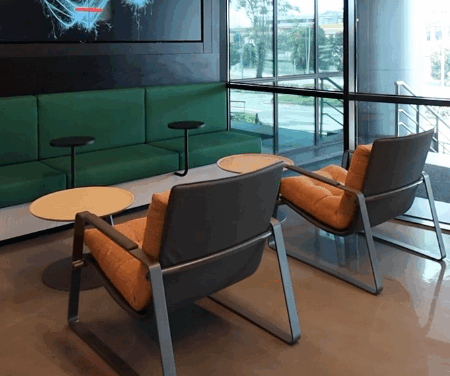
Modern office design prioritizes the physical and mental well-being of the user. An office furniture supplier for interior designers must offer a wide range of ergonomic solutions. This includes sit-to-stand desks, adjustable monitor arms, and high-performance task seating.
Wellness also involves acoustic management in open-plan offices. Acoustic pods and sound-absorbing furniture are essential for creating quiet zones. A supplier with a deep understanding of acoustics can help you design a more productive environment.
Biophilic design elements are also gaining traction in 2026. Furniture that incorporates natural materials, plants, or organic shapes can reduce stress and improve creativity. Look for suppliers who offer integrated planters or timber-based furniture systems.
Managing Project Logistics and Timelines
Logistics can be the most challenging part of any interior design project. A reliable supplier offers comprehensive project management services to handle delivery and installation. This includes coordinating with other trades on-site to ensure a smooth setup.
Lead time management is crucial for meeting project deadlines. Your supplier should provide regular updates and be proactive about potential delays. Clear communication prevents last-minute surprises that can derail a project schedule.
White-glove installation services ensure that the furniture is handled with care. Professional installers know how to assemble complex systems and can remove all packaging materials from the site. This service provides a polished finish to your design project.
Building a Long-Term Partnership for Success
Selecting the right office furniture supplier for interior designers is an investment in your firm’s future. By prioritizing quality, sustainability, and technical support, you can deliver exceptional value to your clients. The right partner will help you stay ahead of 2026 trends and navigate the complexities of modern workspace design.
As the industry continues to evolve, having a reliable and innovative furniture partner will be your greatest asset. Focus on building a relationship based on transparency, shared goals, and a commitment to excellence. This foundation will ensure that every project you undertake is a resounding success.
Need a tailored shipping solution?
Ready to elevate your next commercial project? Visit our professional portal to browse our 2026 collection and request a wholesale quote today.