
How to Conduct an Office Furniture Manufacturer Comparison for Your 2026 Workspace Project
“Selecting the right partner for your workspace needs is a high-stakes decision that impacts employee productivity and long-term operational costs. In 2026, the market is saturated with options, making a detailed office furniture manufacturer comparison essential for procurement managers and business owners alike. Choosing a vendor is no longer just about the lowest price; it is about finding a balance between durability, ergonomic innovation, and brand alignment. This guide provides a framework to navigate the complexities of modern furniture sourcing and helps you identify the best fit for your specific corporate environment.”
The Core Metrics of an Office Furniture Manufacturer Comparison
❖A successful comparison begins with defining the metrics that matter most to your organization. You must look beyond the aesthetic appeal of a desk or chair and focus on the technical specifications and manufacturer reliability.
Key metrics include material density, weight capacities, and the availability of replacement parts. A manufacturer that offers a comprehensive warranty often signals higher confidence in their production standards.
In the current 2026 landscape, responsiveness and digital integration are also vital factors. Manufacturers that provide 3D assets for space planning help project managers visualize the final layout before a single dollar is spent.
Verifying Commercial Grade Certifications
Always check for BIFMA or ISO certifications when comparing potential suppliers. These standards ensure that the furniture can withstand the rigors of a 40-hour work week over several years.
Residential grade furniture often fails within months in a high-traffic office setting. Commercial grade standards guarantee that hinges, drawer slides, and upholstery are tested for thousands of cycles.
Evaluating Material Quality and Build Standards
❖Material selection is the primary driver of both cost and longevity in office furniture. When performing an office furniture manufacturer comparison, ask for detailed material data sheets.
High-pressure laminates (HPL) are preferred over low-pressure options for high-use surfaces like communal desks. Steel gauges used in frames should be thick enough to prevent wobbling or structural fatigue over time.
Sustainable materials have become a benchmark for top-tier manufacturers in 2026. Look for FSC-certified woods and recycled aluminum components that support your company’s green initiatives.
Comparing Modular Designs vs Traditional Workstations
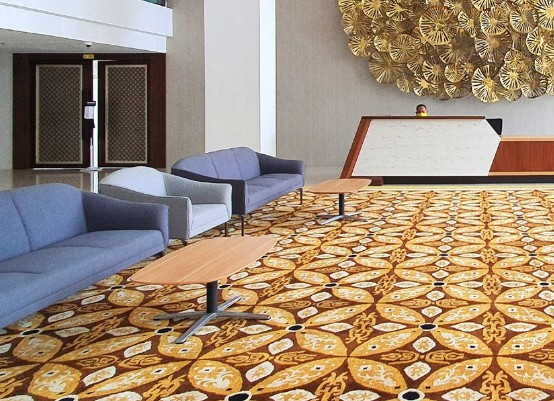
❖Modern offices require flexibility to adapt to changing team sizes and project needs. Modular office systems allow you to reconfigure layouts without purchasing entirely new sets of furniture.
Traditional fixed workstations provide a sense of permanence but can be difficult to move or store. Many leading manufacturers now focus exclusively on modularity to cater to the agile workspace trend.
Evaluate how easily a manufacturer’s system integrates with power and data cabling. Integrated wire management is a hallmark of a well-designed modular workstation.
| Manufacturer Tier | Primary Materials | Customization Level | Typical Warranty | Ideal Use Case |
|---|---|---|---|---|
| Premium/Executive | Solid Wood, Polished Steel | Full Bespoke | 15+ Years | Boardrooms and C-Suite |
| Mid-Range Commercial | High-Pressure Laminate | Modular Options | 10-12 Years | General Staff Areas |
| Value/Budget | Standard Melamine | Limited Finishes | 3-5 Years | Startups and Temporary Space |
Price Analysis and Long-Term Value Assessment
❖The initial purchase price is only one part of the total cost of ownership. A thorough office furniture manufacturer comparison must account for maintenance and replacement cycles.
Cheaper furniture often requires replacement every three years, whereas premium commercial grade items can last over a decade. This makes the long-term cost of high-quality furniture significantly lower.
Inquire about bulk office furniture pricing structures and tiered discounts. Large-scale projects often qualify for significant price breaks that are not visible on standard retail price lists.
Customization Capabilities for Brand Identity
❖Your office furniture is an extension of your brand identity and corporate culture. Some manufacturers offer extensive customization, including custom powder-coating for metal frames and specific fabric colors.
Standardized ‘off-the-shelf’ solutions are faster to acquire but may not reflect your unique brand aesthetic. Compare the lead times for custom orders against your project timeline to avoid delays.
Ask if the manufacturer provides custom branding options, such as laser-etched logos or specific color-matched privacy screens. These details can enhance the professional feel of a flagship office.
Lead Times and Production Capacity in 2026
❖Logistical efficiency is a critical differentiator between manufacturers. A manufacturer with a great product but a 20-week lead time may not be viable for a fast-moving project.
Check the manufacturer’s current production capacity and their history of meeting deadlines. In 2026, many top-tier suppliers use automated inventory systems to provide real-time lead time estimates.
Local manufacturers may offer shorter lead times but higher prices compared to international wholesalers. Balance the need for speed against your budget constraints during the evaluation process.
Finalizing Your Manufacturer Selection
Conducting a comprehensive office furniture manufacturer comparison requires a balance of technical analysis and practical project management. By focusing on material quality, modularity, and long-term value, you can ensure your investment serves your business for years to come.
Remember that the best manufacturer is one that aligns with your specific operational needs and aesthetic goals. Use the data gathered in your comparison to make a confident, evidence-based decision for your 2026 office project.
Ready to streamline your logistics?
Ready to upgrade your workspace with high-quality solutions? Visit our product catalog to compare our latest commercial furniture collections or contact our procurement team for a custom quote today.
Request Quote