
How to Select High-Performance Office Furniture for Office Buildings in 2026
Furnishing a modern commercial facility in 2026 requires a strategic approach that goes beyond simple aesthetics. As office buildings evolve into hubs for collaboration and innovation, the furniture must support diverse work styles and high-density usage. Procurement managers and developers now prioritize flexibility and longevity over low-cost disposable options. This guide provides a comprehensive framework for selecting office furniture for office buildings that enhances productivity and maximizes real estate value. We will explore the technical requirements and design trends currently shaping the most successful corporate environments globally.
The Evolution of Office Furniture for Office Buildings in 2026
The traditional cubicle farm has been replaced by agile zones that cater to hybrid workforces. Modern office furniture for office buildings must be lightweight yet durable enough to withstand constant reconfiguration. We are seeing a massive shift toward modular office systems that allow companies to scale their headcount without major renovations.
Flexibility is the primary driver for furniture investments this year. High-performance buildings now utilize mobile partitions and nesting tables to transform large rooms instantly. These solutions ensure that the physical space remains useful regardless of how the business evolves over time.
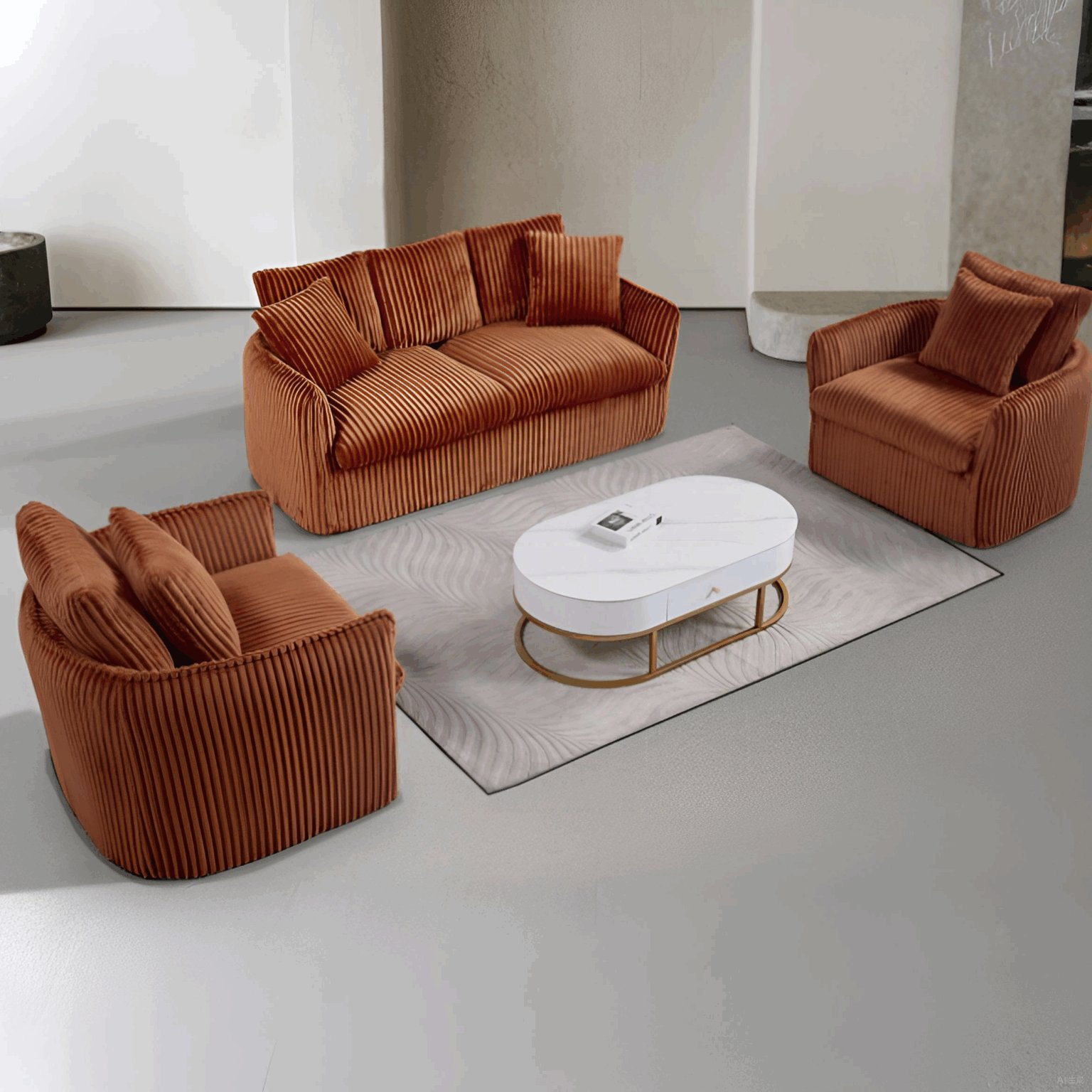
Designers are also focusing on the psychological impact of the workspace. By incorporating residential-inspired elements into commercial-grade seating, offices feel more welcoming. This strategy helps attract talent back to physical office locations by providing comfort that matches home environments.
Prioritizing Ergonomics in Large-Scale Procurement
Health and wellness are no longer optional features in commercial furniture. Modern ergonomic chairs must provide multi-point adjustments to accommodate a diverse range of body types. Investing in high-quality task seating reduces long-term healthcare costs and improves daily employee output.
Height-adjustable desks have become the standard for office buildings in 2026. These sit-stand desks encourage movement throughout the day, which is proven to boost energy levels. When sourcing for an entire building, look for motorized systems with quiet operation and anti-collision technology.
Beyond chairs and desks, ergonomics includes monitor arms and keyboard trays. These accessories ensure that the user’s spine remains in a neutral position. A well-equipped workstation is the foundation of a professional and efficient corporate culture.
Maximizing Space Efficiency in Modern Commercial Buildings
Real estate costs remain a significant overhead for businesses in major cities. Selecting the right office furniture for office buildings involves calculating the footprint of every workstation. Bench desks are a popular choice for maximizing the number of employees in open-plan areas without sacrificing personal space.
Vertical storage solutions help keep the floor area clear and organized. Heavy-duty filing cabinets and integrated desk pedestals provide necessary storage while maintaining a sleek profile. Smart storage prevents the visual clutter that often leads to decreased focus among staff.
Acoustic privacy screens are essential in high-density office layouts. These panels absorb sound and provide visual barriers, allowing for concentration in busy environments. They are often integrated directly into modular workstations for a seamless look.
Sustainable Materials and Eco-Friendly Furniture Choices
Sustainability is a core requirement for modern corporate social responsibility. Many office buildings now require furniture that meets LEED or WELL building standards. Look for products made from recycled aluminum, FSC-certified wood, and low-VOC fabrics.
Sustainable office solutions are not just good for the planet; they are built to last. High-quality eco-friendly materials often outperform cheaper synthetics in terms of wear and tear. This longevity reduces the frequency of replacement, leading to a lower total cost of ownership.
Circular economy practices are gaining traction in the furniture industry. Some manufacturers now offer buy-back programs or modular components that can be easily repaired. This approach ensures that your furniture investment does not end up in a landfill after five years of use.
Integrating Technology into Modern Office Desks
The desk of 2026 is a tech-enabled hub. Smart office furniture now includes integrated wireless charging pads and built-in power strips. This eliminates the messy cable clutter that was common in older office building designs.
Conference room tables are now equipped with hidden connectivity ports for seamless presentations. These tables often feature integrated touchscreens or cable management systems that support high-speed data transfer. Ensuring your furniture is compatible with modern AV hardware is critical for productivity.
Smart sensors are also being embedded into furniture to track occupancy rates. This data helps building managers understand how space is being used in real-time. These insights allow for better planning and potential reduction in wasted square footage.
| Building Zone | Furniture Type | Key Benefit |
|---|---|---|
| Open Office Area | Bench Desks | High density and easy collaboration |
| Executive Suites | Premium Veneer Desks | Privacy and professional prestige |
| Breakout Zones | Modular Soft Seating | Flexibility and employee relaxation |
| Conference Rooms | Smart Media Tables | Seamless technology integration |
| Reception Lobby | Custom Curved Desks | Brand identity and visitor welcome |
Comparison of Furniture Types by Zone
Different areas of an office building require specific furniture types to function effectively. The table below outlines the best choices for common commercial zones.
Durability and Commercial Grade Standards
Office furniture for office buildings must meet rigorous BIFMA and ANSI standards. These certifications ensure that the products can handle 24/7 usage in demanding environments. Residential furniture rarely survives the intensity of a professional corporate setting.
When evaluating quality, pay close attention to the thickness of laminates and the grade of steel used in frames. High-pressure laminate surfaces are resistant to scratches and stains, making them ideal for high-traffic areas. Quality hardware, such as soft-close hinges and heavy-duty drawer slides, significantly extends product life.
Work with suppliers who provide comprehensive warranties for commercial use. A ten-year warranty on frames and a five-year warranty on moving parts is standard for reputable manufacturers. This protection is vital for protecting your capital expenditure over the long term.
Final Thoughts on Furnishing Modern Office Buildings
Selecting the right office furniture for office buildings is a balancing act between budget, functionality, and employee well-being. By focusing on modularity and ergonomics, you can create a workspace that not only looks professional but also drives business results. The trends of 2026 emphasize a human-centric approach where the environment adapts to the person, not the other way around.
As you plan your next procurement project, remember that the furniture is an investment in your company’s most valuable asset: your people. Choosing durable, tech-integrated, and sustainable pieces ensures that your office building remains a competitive and productive environment for years to come.
Get Your Shipping Quote Today
Upgrade your commercial workspace today. Contact our expert consultants to request a wholesale quote for the latest 2026 office furniture collections.
Request Quote