
How to Choose the Right Office Furniture for Shared Offices in 2026
The landscape of professional environments has shifted significantly as we move through 2026. Shared offices and coworking hubs now require a unique approach to interior assets that balances individual productivity with collective flexibility. Business buyers must look beyond aesthetics to find furniture that can withstand constant use while remaining adaptable to various work styles. Selecting the right office furniture for shared offices is no longer just about filling a room; it is about creating a dynamic ecosystem that supports a rotating cast of professionals. This guide provides the strategic insights necessary for procurement managers and office planners to make informed investment decisions.
✦
The Evolution of Shared Workspaces in 2026
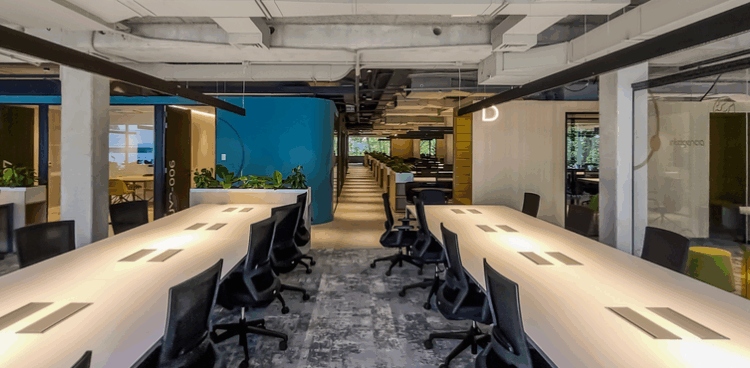
In 2026, the shared office model has matured into a sophisticated service-driven industry. Furniture must now support a hybrid workforce that demands both high-tech integration and high-touch comfort.
Successful shared offices prioritize agility over fixed layouts. This shift has led to a surge in demand for mobile, lightweight, and reconfigurable pieces that allow users to customize their immediate environment.
Procurement managers are increasingly looking for furniture that offers integrated power solutions and IoT connectivity. These features ensure that every workstation is ready for immediate use by any professional.
Essential Features for Shared Office Desks
Desks are the foundation of any productive workspace. When selecting office furniture for shared offices, the focus must be on versatility and ease of adjustment for different body types.
Height-adjustable desks have become a non-negotiable standard in 2026. These allow users to switch between sitting and standing, which is vital for long-term health in shared environments.
Surface durability is another critical factor to consider. High-pressure laminates and anti-microbial coatings are preferred to handle the high turnover and frequent cleaning required in shared spaces.
Hot Desking vs. Dedicated Workstations
Hot desking requires minimalist designs with ample personal storage options nearby. These desks should be easy to clear quickly at the end of a session.
Dedicated workstations in shared offices can afford more personalization. However, they should still maintain a cohesive aesthetic with the rest of the facility to ensure design continuity.
Modular Seating Solutions for Collaborative Zones
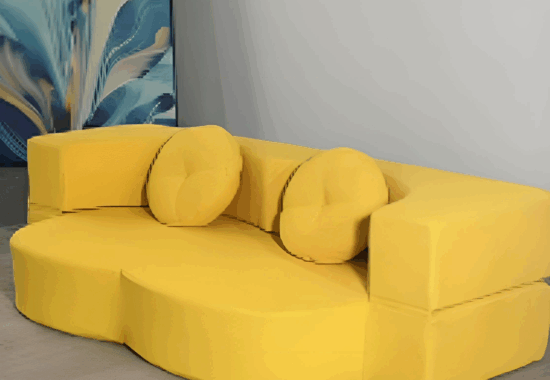
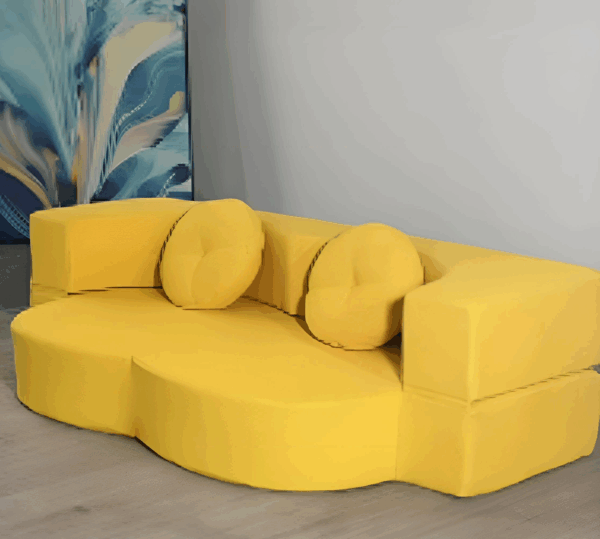
Collaborative zones require furniture that encourages interaction without sacrificing comfort. Modular sofas and tiered seating are excellent choices for these versatile areas.
In 2026, we see a trend toward soft seating that incorporates hidden casters. This allows teams to pull chairs together for impromptu meetings and push them back when the session concludes.
Ergonomic task chairs remain the priority for focused work. Look for models with intuitive controls that do not require a manual to adjust, as different people will use them daily.
| Seating Type | Primary Use | Key Benefit | Durability Level |
|---|---|---|---|
| Ergonomic Task Chair | Focused Work | Lumbar Support | High |
| Modular Sofa | Informal Meetings | Flexibility | Medium |
| Nesting Chairs | Training/Events | Space Saving | High |
| Acoustic Lounge Chair | Private Calls | Sound Dampening | Medium |
Acoustic Privacy and Space Dividers
One of the biggest challenges in shared offices is noise management. Office furniture for shared offices must include solutions that mitigate auditory distractions.
Acoustic screens and felt-lined dividers are essential for creating visual and sound barriers. These can be desk-mounted or floor-standing depending on the level of privacy required.
Mobile privacy pods have gained significant popularity in 2026. These self-contained units provide a quiet space for phone calls or deep work without requiring permanent construction.
Durability and Maintenance Standards
Furniture in shared offices experiences much higher wear and tear than in traditional settings. Investing in commercial-grade materials is essential for long-term cost savings.
Metal frames and high-quality polymers offer the best resistance to impact and heavy use. Avoid delicate veneers that can chip or scratch easily under constant movement.
Maintenance is simplified when furniture features replaceable parts. Look for manufacturers that offer modular components like seat pads or armrests that can be swapped out if damaged.
Smart Integration and Power Management
A shared office is only as good as its connectivity. Integrated power strips and wireless charging pads should be built directly into the furniture surfaces.
Cable management systems must be robust and easy to access. Messy wires not only look unprofessional but also pose a safety hazard in high-traffic shared environments.
Smart sensors are an emerging trend for 2026. These help managers track furniture utilization rates, allowing for data-driven decisions on future layout changes.
Final Thoughts on Shared Office Procurement
Selecting the right furniture for a shared office requires a balance of durability, flexibility, and user comfort. By focusing on modular designs and high-quality materials, you can create a space that meets the diverse needs of modern professionals.
As we move through 2026, the demand for adaptable and tech-ready workspaces will only continue to grow. Investing in the right assets now ensures your shared office remains competitive and functional for years to come.
Upgrade your workspace today. Explore our latest collection of durable and modular office furniture for shared offices to maximize your team’s productivity. Contact our planning consultants for a customized quote.
Request Quote