
How to Choose High-Performance Office Furniture for Hybrid Workplaces in 2026
The modern office has undergone a radical transformation as we move into 2026. The traditional model of assigned cubicles is fading in favor of dynamic, activity-based environments. Procurement managers and business owners now face the challenge of equipping spaces that accommodate a rotating workforce. This shift requires office furniture for hybrid workplaces that balances durability, comfort, and extreme flexibility. Selecting the right pieces is no longer just about aesthetics; it is about supporting a culture of agility and employee well-being. This guide provides a comprehensive roadmap for choosing furniture that meets the demands of the modern hybrid era.
✦
The Evolution of Hybrid Workspaces in 2026
In 2026, the office serves as a social and collaborative hub rather than a daily destination for individual tasks. Hybrid work models require furniture that can be reconfigured at a moment’s notice to suit varying team sizes. This demand has led to the rise of ‘hotelization,’ where office spaces feel more like hospitality environments.
To support this, furniture must be lightweight and often mobile. Pieces that can be easily moved allow facilities managers to transition from a training room to a collaborative lounge in minutes. Investing in versatile assets ensures that your real estate remains productive regardless of daily attendance fluctuations.
Furthermore, smart technology integration has become a standard requirement. Desks and chairs now often feature embedded sensors to track occupancy rates and usage patterns. This data helps procurement teams make informed decisions about future furniture investments and space optimization.
Essential Ergonomic Features for Flexible Desks
When employees share workstations, adjustability is the most critical factor. Office furniture for hybrid workplaces must accommodate different body types and working styles. Height-adjustable desks, also known as sit-stand desks, are now the baseline for any professional environment.
Look for desks with programmable memory settings and quiet dual-motor systems. These features allow users to quickly find their preferred height without disrupting colleagues. In a hot-desking scenario, ease of use ensures that employees actually utilize the ergonomic benefits provided.
Consider the footprint of the desk to maximize floor space efficiency. Bench-style systems with integrated cable management help keep the workspace tidy and safe. Clean lines and hidden power outlets contribute to a professional atmosphere that encourages focus.
Modular Seating and Collaborative Zones
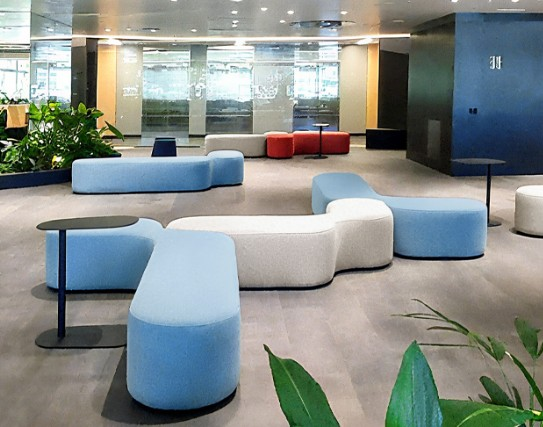
Collaborative work is the primary reason employees visit the physical office today. Modular seating systems allow for the creation of ‘neighborhoods’ within the office. These zones can be expanded or contracted based on the specific needs of a project team.
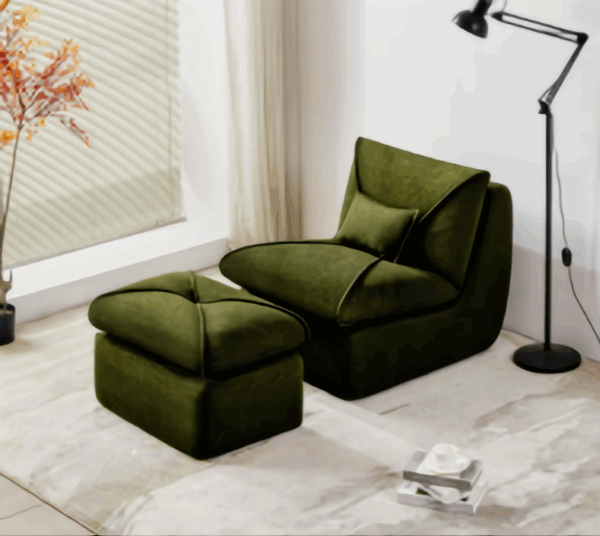
Choose sofas and ottomans with built-in power strips and USB-C charging ports. This ensures that productivity is not tethered to a traditional desk. High-back lounge seating also provides a level of visual and acoustic privacy for informal meetings.
Durability is paramount for shared seating. Select high-performance fabrics that are stain-resistant and easy to sanitize. In 2026, antimicrobial materials have become a popular choice for high-traffic hybrid environments.
| Furniture Type | Primary Benefit | Best For | Mobility Level |
|---|---|---|---|
| Height-Adjustable Desks | Ergonomic Health | Individual Focus Work | Low to Medium |
| Modular Sofas | Flexibility | Informal Meetings | High |
| Acoustic Pods | Noise Reduction | Private Calls | Fixed |
| Nesting Chairs | Space Saving | Training Rooms | Very High |
Acoustic Solutions and Privacy in Open Plans
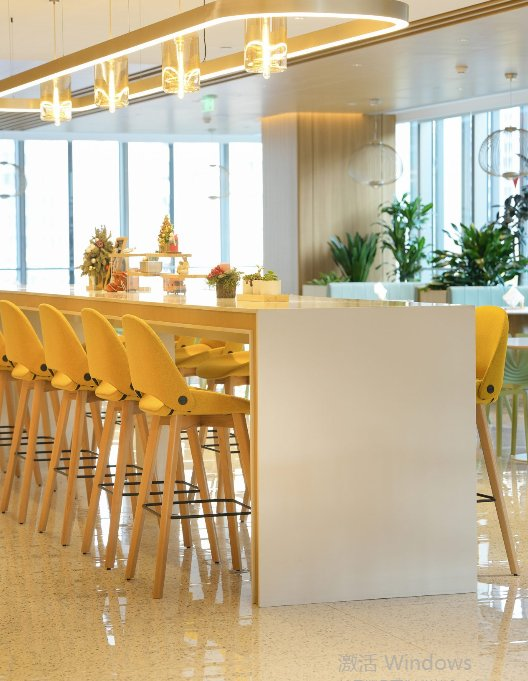
One of the biggest complaints in hybrid offices is the lack of privacy. Open-plan layouts are excellent for collaboration but can be distracting for deep work. Integrating acoustic furniture is a strategic way to solve this problem without building permanent walls.
Phone booths and focus pods have become essential components of the modern office. These units provide a soundproof environment for video calls and concentrated tasks. They are often modular and can be moved if the office layout needs to change in the future.
Acoustic panels and felt-based room dividers also help dampen ambient noise. These elements can be used to define different zones while adding a decorative touch to the workspace. Effective noise management directly correlates with higher employee satisfaction and output.
Sustainability and Material Trends for 2026
Sustainability is no longer a niche preference; it is a corporate mandate in 2026. Business buyers are looking for office furniture for hybrid workplaces made from recycled or renewable materials. Circular economy principles now guide the manufacturing process of leading furniture brands.
Look for certifications like Cradle to Cradle or Greenguard Gold to ensure low chemical emissions. Furniture constructed from ocean plastics, reclaimed wood, or rapidly renewable bamboo is highly sought after. These choices reflect a company’s commitment to environmental responsibility.
Longevity is the ultimate form of sustainability. Investing in high-quality pieces with long warranties reduces the need for frequent replacements. This approach lowers the total cost of ownership and minimizes the environmental impact of your procurement cycle.
Strategies for Bulk Furniture Procurement
Procuring furniture for a hybrid office requires a strategic approach to volume and variety. Instead of buying 100 identical desks, consider a mix of workstation types. This diversity caters to different tasks and employee preferences.
Working directly with manufacturers or large-scale distributors can offer significant cost advantages. In 2026, many suppliers offer ‘Furniture as a Service’ (FaaS) models. This allows companies to lease furniture and swap items as their headcount or strategy evolves.
Always request samples or visit a showroom before finalizing a large order. Testing the build quality and comfort firsthand prevents costly mistakes. Ensure that your supplier can provide reliable lead times and professional installation services to avoid project delays.
Building a Future-Ready Workplace
Designing a hybrid office is a continuous process of adaptation and refinement. By focusing on ergonomic flexibility, modularity, and acoustic comfort, you create an environment where employees thrive. The right furniture serves as the foundation for this new way of working.
As we navigate the workplace trends of 2026, the emphasis remains on human-centric design. Prioritizing quality and sustainability will ensure your office stays relevant for years to come. Start your planning today to build a space that truly supports the future of work.
Ready to transform your workspace? Explore our 2026 collection of high-performance office furniture for hybrid workplaces. Visit [URL] to request a custom quote for your next office project today.
Request Quote