

How to Choose a Reliable Office Furniture Manufacturer for Overseas Brands in 2026
The global workspace is undergoing a radical transformation in 2026. For procurement managers and brand owners, finding a reliable office furniture manufacturer for overseas brands is no longer just about finding the lowest price point. It is about securing a strategic partner who understands international ergonomic standards and the integration of smart technology into the modern office environment. Businesses today face the challenge of balancing aesthetic appeal with functional durability. As an overseas brand, you require a manufacturer that can translate your specific market needs into high-quality physical products. This guide provides a deep dive into the criteria that define a top-tier manufacturing partner in the current market. Navigating the complexities of international supply chains requires expertise in both design and production. Whether you are looking to launch a new line of ergonomic chairs or furnish a corporate headquarters, understanding the manufacturing landscape is essential. We will explore the critical factors that ensure your brand remains competitive and your clients remain satisfied.
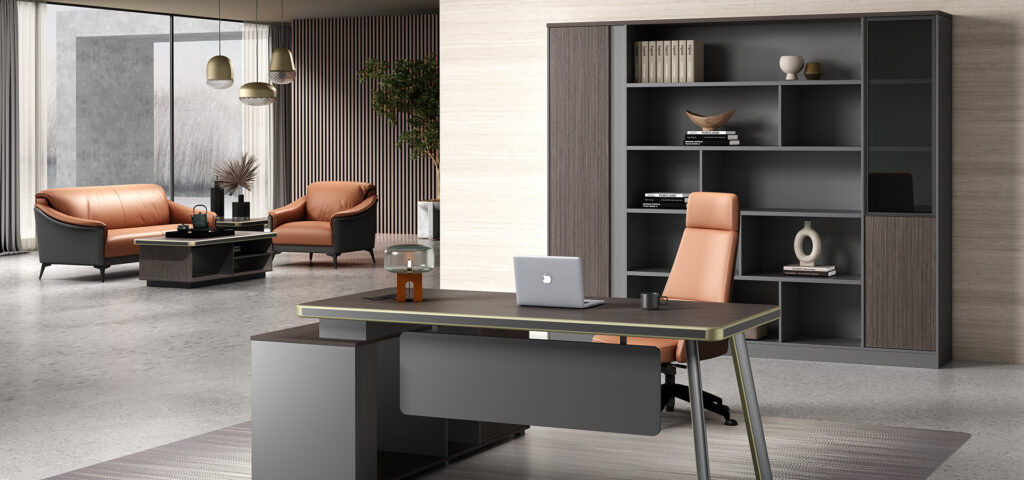
The 2026 Landscape for Office Furniture Manufacturing
In 2026, the office furniture industry has shifted toward modularity and hybrid work support. Manufacturers are now expected to produce pieces that can easily transition between collaborative spaces and private focus zones.
Overseas brands are increasingly looking for partners who utilize advanced automation to ensure consistency. This technological shift helps reduce human error and maintains high precision across large production runs.
Sustainability is no longer an optional feature but a core requirement for international trade. Manufacturers must demonstrate transparent supply chains and use of eco-friendly materials to meet global regulations.
Evaluating Production Capacity and Scalability
A key factor when selecting an office furniture manufacturer for overseas brands is their ability to scale production. Your partner should be able to handle small custom orders as well as massive corporate contracts without compromising quality.
Ask for a detailed breakdown of their daily and monthly output capacities for specific product categories. This transparency ensures that your deadlines will be met even during peak demand seasons.
Scalability also refers to the manufacturer’s ability to adapt to new designs. A flexible production line is essential for brands that want to stay ahead of rapidly changing office trends.
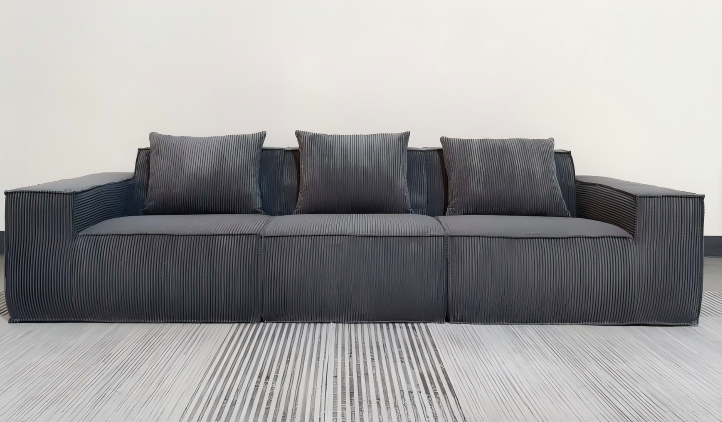
Customization Capabilities: OEM vs. ODM Services
Most overseas brands require some level of customization to differentiate themselves in their local markets. Understanding the difference between Original Equipment Manufacturing (OEM) and Original Design Manufacturing (ODM) is vital.
OEM services allow you to provide your own designs which the factory then produces to your exact specifications. This is ideal for brands with established design teams and unique intellectual property.
ODM services involve the manufacturer providing pre-designed products that you can rebrand or slightly modify. This is a faster route to market for distributors looking to expand their catalog quickly.
| Feature | OEM (Original Equipment) | ODM (Original Design) | White Label |
|---|---|---|---|
| Design Ownership | Client Owned | Manufacturer Owned | Manufacturer Owned |
| Customization Level | High / Complete | Moderate / Partial | Low / Branding Only |
| Time to Market | Longer (Development) | Faster (Pre-designed) | Fastest (Stock) |
| Cost | Higher Initial Investment | Lower Development Cost | Lowest Cost |
Quality Control Standards and International Compliance
Quality assurance is the most critical bridge between a manufacturer and an overseas brand. Without strict QC protocols, the risk of costly returns and brand damage increases significantly.
Ensure your manufacturer complies with BIFMA (Business and Institutional Furniture Manufacturers Association) standards. These tests evaluate the safety, durability, and structural adequacy of office furniture.
ISO certifications are another hallmark of a professional manufacturer. ISO 9001 for quality management and ISO 14001 for environmental management are the industry benchmarks in 2026.
In-House Testing Laboratories
Top-tier manufacturers invest in their own testing facilities to perform stress tests on chairs, desks, and storage units. This allows for real-time adjustments during the production process.
Requesting a video tour or a testing report of your specific batch can provide peace of mind. Reliable partners will always share this data to build long-term trust.

Smart Office Integration and Future-Proofing
The office of 2026 is interconnected, featuring height-adjustable desks with integrated sensors and IoT-enabled seating. Your manufacturer must have the technical expertise to incorporate these electronics safely.
Look for partners who have experience with cable management solutions and built-in charging ports. These small details are what modern business buyers look for in premium office setups.
Future-proofing also means using modular components that can be upgraded or replaced easily. This extends the product life cycle and appeals to the growing circular economy.
Material Sourcing and Sustainable Manufacturing
The choice of materials directly impacts the longevity of the furniture and its environmental footprint. High-density laminates, recycled aluminum, and FSC-certified wood are the standards for 2026.
Ask your manufacturer about their powder coating processes. Low-VOC (Volatile Organic Compound) finishes are essential for maintaining indoor air quality in modern office buildings.
Sustainability also extends to packaging. Seek manufacturers who use biodegradable or fully recyclable protective materials to reduce the waste generated during overseas shipping.
Navigating Logistics and Packaging for Export
Shipping office furniture across oceans requires specialized packaging to prevent transit damage. Flat-pack (KD – Knock Down) designs are often preferred to maximize container space and reduce costs.
A professional manufacturer should provide detailed assembly instructions and all necessary hardware in clearly labeled kits. This reduces the burden on the end-user or the local installation team.
Proper palletization and container loading plans are also vital. These prevent shifting during transit and ensure that the furniture arrives in showroom condition.
Building a Long-Term Manufacturing Partnership
Choosing the right office furniture manufacturer for overseas brands is a decision that affects your company’s reputation and bottom line. By prioritizing quality standards, customization flexibility, and sustainable practices, you position your brand for success in 2026.
The ideal partner is one who views your growth as their own. They should offer more than just products; they should provide solutions, technical support, and the reliability needed to navigate a competitive global market.
As you move forward, focus on clear communication and consistent quality audits. A strong foundation with your manufacturer will allow you to innovate and lead in the ever-evolving world of office design.
Start Your Shipment
Ready to elevate your brand with world-class manufacturing? Contact our team today to discuss your custom office furniture requirements or Visit [URL] to view our latest 2026 collection.
Frequently Asked Questions
What is the typical lead time for a bulk office furniture order?
Do you provide BIFMA and ISO certification reports?
What is the Minimum Order Quantity (MOQ) for custom designs?
How do you ensure furniture is not damaged during overseas shipping?
Can you integrate smart technology like IoT sensors into the furniture?
What materials are recommended for sustainable office furniture in 2026?
Do you offer private labeling for overseas distributors?
How do you handle warranty claims for international customers?