

How to Choose a Strategic Office Furniture Supplier for Importers in 2026
“The global office furniture market has undergone a massive transformation heading into 2026. Importers today face a landscape defined by hybrid work models, a demand for sustainable materials, and the need for rapid technological integration. Finding a reliable office furniture supplier for importers is no longer just about the lowest price per unit. It is about identifying a partner that understands the nuances of modern workspace design and international quality standards. For procurement managers and distributors, the stakes are high. A single shipment of sub-standard ergonomic chairs or poorly finished workstations can damage a brand’s reputation and lead to significant financial losses. This guide explores how to navigate the complexities of furniture sourcing to ensure long-term profitability and customer satisfaction.”

Understanding the 2026 Office Furniture Market Landscape
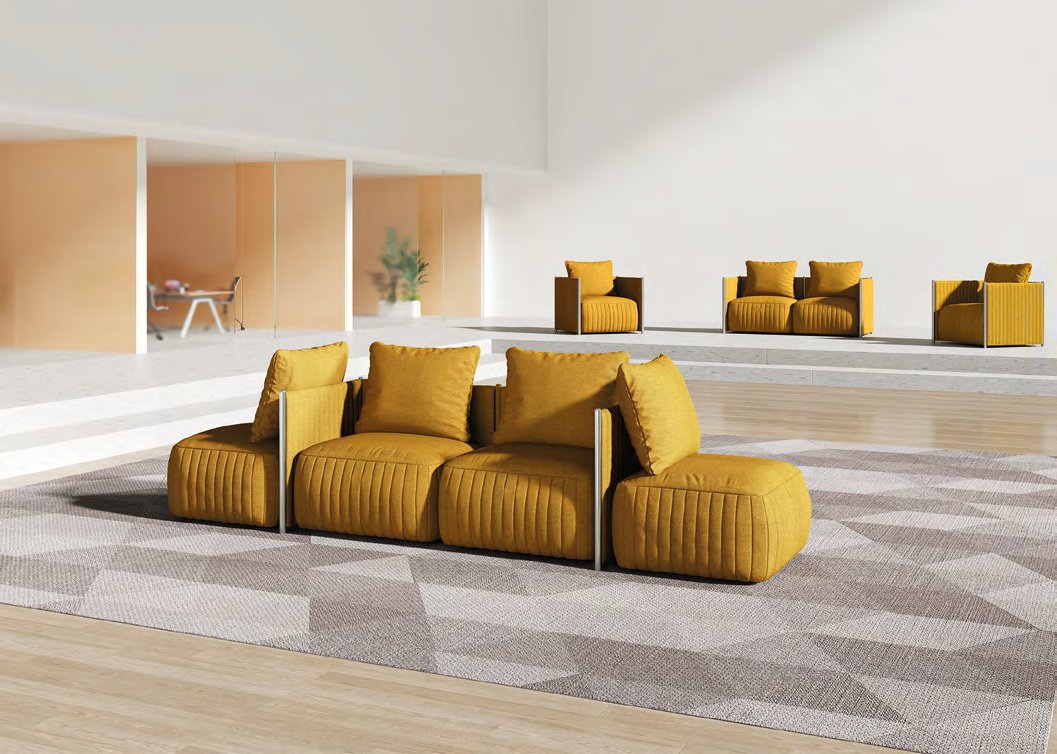
❖The demand for office furniture in 2026 is driven by the ‘flex-office’ movement. Businesses are moving away from rigid cubicles toward modular, reconfigurable systems that support both collaborative and deep-focus work. Importers must look for suppliers who stay ahead of these design curves.
Sustainability is no longer optional for the modern importer. Global regulations and corporate social responsibility goals require furniture to be made from recycled or renewable sources. Suppliers who utilize circular economy principles are seeing the highest growth in the international market.
Technology integration is the third pillar of the current market. Desks with built-in wireless charging, smart height-adjustable sensors, and integrated cable management are standard requirements. Your supplier must have the R and D capability to incorporate these electronics seamlessly into their designs.
Core Qualifications of a Premium Office Furniture Supplier for Importers
❖When vetting a potential partner, start by evaluating their manufacturing infrastructure. A reputable office furniture supplier for importers should operate high-precision machinery, such as CNC routers and automated powder-coating lines. This ensures consistency across thousands of units.
Check for a robust R and D department that releases new collections annually. In the fast-paced furniture industry, staying relevant means offering the latest ergonomic features and aesthetic finishes. A supplier that only produces legacy designs will eventually hinder your market competitiveness.
Verify their financial stability and export history. An established manufacturer will have a proven track record of handling large-scale international orders. They should be able to provide references from other major importers or distributors in your region.
Certifications and Global Compliance
Ensure the manufacturer complies with international safety and durability standards. For the North American market, BIFMA certification is the gold standard for performance. In Europe, EN 1335 and similar standards are mandatory for commercial use.
ISO 9001 and ISO 14001 certifications demonstrate a commitment to quality management and environmental responsibility. These documents provide peace of mind that the factory operates under strict, audited processes. Always request digital copies of these certificates for verification.
Material Selection and Durability Standards
❖The longevity of office furniture depends entirely on the quality of raw materials used. For importers, this is a critical area of inspection. Cheap particle board may look good in photos but will fail during transit or after a few months of use.
High-pressure laminates and powder-coated steel are the preferred choices for 2026. These materials resist scratches, stains, and impact, making them ideal for high-traffic commercial environments. Understanding the grade of steel and the density of the wood cores is essential for accurate pricing.
Ergonomic mesh has also evolved. The latest high-tensile elastomers provide better support and breathability than traditional foams. Ensure your supplier sources mesh that does not sag over time, which is a common complaint in budget-tier seating.
| Material Type | Durability Rating | Best Use Case | Maintenance Level |
|---|---|---|---|
| High-Pressure Laminate (HPL) | High | Workstations and desks | Low |
| Powder-Coated Steel | Very High | Frames and storage units | Very Low |
| Ergonomic Elastomer Mesh | Medium-High | Task seating | Moderate |
| Solid Hardwood | High | Executive suites | High |
The Importance of Customization and OEM Capabilities
❖One of the biggest advantages of working with a direct office furniture supplier for importers is the ability to customize. Private labeling allows you to build your own brand identity without the overhead of manufacturing. This is vital for standing out in a crowded marketplace.
Customization can range from simple color changes to complete structural modifications. A capable supplier will offer a wide palette of fabric options, wood finishes, and metal colors. This flexibility allows you to cater to specific interior design projects or local market tastes.
OEM services are particularly valuable for large-scale procurement projects. If you are bidding on a government or corporate contract, you may need a unique design that meets specific spatial requirements. A supplier with strong engineering support can turn your blueprints into prototypes quickly.
Quality Control Protocols for International Shipments
❖Quality control must happen at every stage of production, not just at the end. An effective office furniture supplier for importers will have internal checkpoints for raw material arrival, component assembly, and final packaging. This prevents systemic errors from affecting the whole batch.
Third-party inspections are a best practice for importers. Hiring an independent agency to perform a Pre-Shipment Inspection ensures the goods meet your specific criteria. They will check dimensions, finish quality, and functional performance against your approved golden sample.
Packaging is often overlooked but is crucial for international trade. Furniture is bulky and susceptible to damage during sea freight and local handling. Demand high-density foam corner protectors and double-walled corrugated boxes to minimize the risk of returns.
Navigating Lead Times and Inventory Management
❖Lead times in 2026 are influenced by both production capacity and component availability. A typical lead time for a large order ranges from 30 to 45 days. Importers should plan their inventory cycles at least six months in advance to avoid stock-outs during peak seasons.
Effective communication is the key to managing timelines. Your supplier should provide weekly production updates and immediately notify you of any delays. This transparency allows you to adjust your marketing and sales strategies accordingly.
Consider a ‘buffer stock’ strategy for your most popular items. Some suppliers offer warehousing services that allow you to keep a small inventory ready for immediate dispatch. This can drastically reduce the time it takes to fulfill urgent client requests.

Building a Future-Proof Furniture Business
Choosing the right office furniture supplier for importers is a strategic decision that impacts every facet of your business. By focusing on manufacturing quality, ergonomic innovation, and reliable quality control, you position yourself as a leader in the workspace solutions market. The trends of 2026 demand more than just furniture; they demand environments that foster productivity and well-being.
As you move forward, prioritize transparency and long-term partnership over short-term savings. A manufacturer that grows with you and adapts to your needs is an invaluable asset. Use the insights provided in this guide to vet your partners rigorously and build a product portfolio that stands the test of time.
Ready to streamline your logistics?
Ready to upgrade your inventory with premium 2026 designs? Contact our specialist team today to receive a comprehensive catalog and a custom quote for your next project.
Request Quote