
How to Choose the Best Office Furniture Supplier for Healthcare Administration in 2026
Healthcare administration serves as the operational heart of any medical facility. While clinical spaces often receive the most attention, the administrative offices are where critical patient data is managed and care is coordinated. These environments require a unique balance of durability, ergonomics, and compliance that standard office furniture simply cannot provide. Choosing a specialized office furniture supplier for healthcare administration is essential for maintaining staff productivity and meeting strict industry regulations in 2026. This guide explores how to identify a partner that understands the high-stakes nature of medical office environments.
Understanding the Unique Requirements of Healthcare Administrative Spaces
Administrative roles in healthcare differ significantly from standard corporate tasks. Staff often work in high-stress environments that require 24/7 operational readiness and extreme focus. Furniture must support these long shifts while standing up to rigorous cleaning protocols.
A dedicated office furniture supplier for healthcare administration understands that these pieces are an investment in staff retention. When employees feel supported by their physical environment, burnout rates decrease and accuracy in patient records management increases.
In 2026, the shift toward holistic wellness means that administrative furniture must also mirror the healing environment of the clinical side. This creates a cohesive aesthetic that reduces stress for both employees and visiting patients or family members.
Key Features to Look for in Medical Administrative Furniture
Durability is the primary concern for any medical facility furniture. Administrative areas experience high foot traffic and constant use, meaning materials must be scratch-resistant and structurally sound for years of service.
Ergonomics play a vital role in preventing workplace injuries among administrative staff. Look for suppliers offering height-adjustable desks, articulating monitor arms, and chairs with comprehensive lumbar support to accommodate diverse body types.
Infection control is no longer limited to the operating room. Administrative surfaces should be non-porous and resistant to harsh medical-grade disinfectants to prevent the spread of pathogens throughout the facility.
| Feature | Standard Office Furniture | Healthcare Admin Furniture |
|---|---|---|
| Surface Material | Standard Laminate or Wood | Non-porous, Chemical-Resistant |
| Durability Rating | 8-hour usage cycles | 24/7 heavy-duty usage cycles |
| Privacy Features | Open plan designs | Integrated HIPAA privacy screens |
| Cleaning | Mild soap and water | Hospital-grade disinfectants |
Antimicrobial Surfaces and Material Science
Modern furniture technology in 2026 utilizes advanced antimicrobial coatings on laminate desks and seating textiles. These materials inhibit the growth of bacteria and viruses, providing an extra layer of safety for the workforce.
Suppliers should provide documentation on how their materials react to common healthcare cleaners. This ensures that the furniture will not degrade, crack, or discolor over time when subjected to daily sanitization.
Prioritizing HIPAA Compliance and Data Privacy
Patient privacy is a legal mandate that extends to the physical design of administrative offices. Desks and workstations must be configured to prevent unauthorized viewing of computer screens and sensitive documents.
An experienced office furniture supplier for healthcare administration will offer solutions like privacy glass partitions and locking storage units. These elements help the facility remain HIPAA compliant while maintaining an open and collaborative atmosphere.
Storage solutions should be centralized but secure. High-density filing systems and locking pedestals are essential for managing physical records that have not yet been fully digitized in the medical system.
Strategic Procurement for Large Scale Healthcare Projects
Procurement managers must look beyond the initial price tag when selecting a supplier. Total cost of ownership includes maintenance, longevity, and the potential cost of staff downtime due to poor ergonomic design.
A reliable partner offers comprehensive project management services, from initial space planning to final installation. This ensures that the furniture fits perfectly within the architectural constraints of the medical building.
Lead times are critical in healthcare construction and renovation. Suppliers with robust supply chains and transparent tracking systems help keep projects on schedule, preventing costly delays in facility openings.
Evaluating Supplier Warranties and Support
Heavy-duty use in healthcare environments requires strong warranty protection. Look for suppliers that offer 10-year or lifetime warranties on structural components and multi-year warranties on textiles.
Local support is also a significant advantage. A supplier that can provide on-site repairs or quick replacements ensures that administrative operations are never interrupted for long periods.
Trends in Healthcare Admin Design for 2026
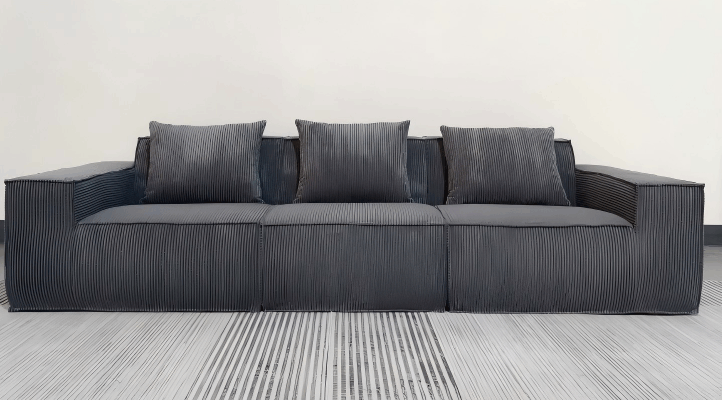
The current year has seen a rise in ‘resimercial’ design within healthcare offices. This style combines the comfort of residential furniture with the durability of commercial-grade products to create a more inviting workspace.
Biophilic design elements, such as integrated planters and natural wood finishes, are being incorporated into administrative zones. These features have been shown to lower heart rates and improve cognitive function in high-pressure environments.
Modular furniture systems are also gaining popularity. These allow facilities to reconfigure their administrative layouts quickly as staffing needs change or as new medical technologies are implemented.
Optimizing the Reception and Check-In Experience
The administrative desk is often the first point of contact for patients. It must be professional, accessible, and welcoming while providing a secure barrier for staff members.
Integrated cable management and technology ports are essential for modern check-in kiosks and insurance processing stations. This keeps the workspace clutter-free and professional in appearance.
ADA compliance is a non-negotiable requirement for reception furniture. Suppliers must offer desks with varied heights to accommodate patients with disabilities and ensure an inclusive experience for everyone.
Building a Better Foundation for Healthcare Operations
Selecting the right office furniture supplier for healthcare administration is a strategic decision that impacts staff health, patient privacy, and operational efficiency. By focusing on durability, ergonomics, and compliance, facilities can create workspaces that support the vital work of medical administrators.
As we move through 2026, the integration of wellness-focused design and advanced material science will continue to redefine the healthcare office. Partnering with a knowledgeable supplier ensures your facility remains at the forefront of these industry advancements while providing a safe and productive environment for your team.
Start Your Shipment
Transform your medical office with specialized solutions. Visit our product gallery or contact our healthcare furniture consultants today to request a custom quote for your administration project.
Request Quote