
How to Choose the Best Office Furniture Supplier for Hospital Offices in 2026
“Hospital offices serve as the vital operational hub for clinical excellence and patient care management. In 2026, the intersection of administrative efficiency and medical-grade safety has redefined how healthcare facilities approach workspace design. Choosing the right office furniture supplier for hospital offices is no longer just about aesthetics or price points. It requires a deep understanding of infection control, 24/7 durability, and the unique ergonomic needs of healthcare professionals who manage high-stress environments.”
Prioritizing Ergonomics in Clinical and Administrative Workspaces
❖Healthcare administrative staff and medical coders often spend long hours at their desks, leading to a high risk of musculoskeletal strain. An expert office furniture supplier for hospital offices will prioritize ergonomic medical seating that supports the spine during extended shifts.
In 2026, top-tier suppliers offer nurse station ergonomic chairs that feature weight-activated tension and breathable, easy-to-clean mesh. These chairs allow for quick adjustments between different staff members in shared clinical environments.
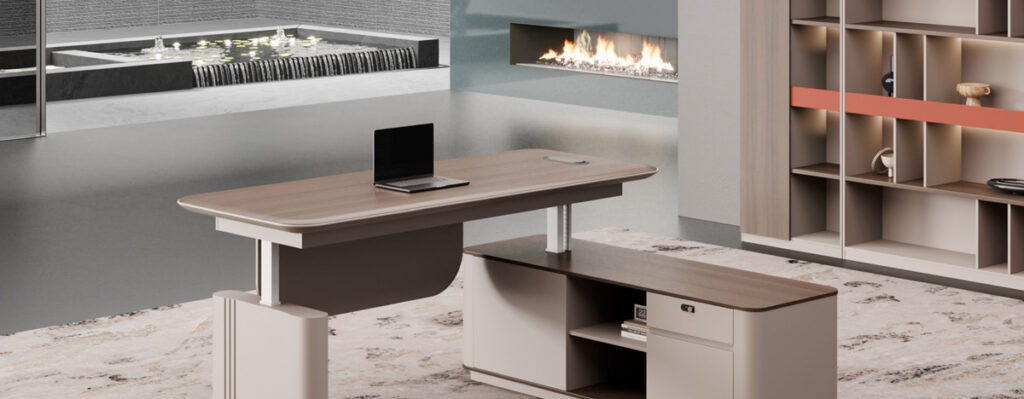
Providing height-adjustable healthcare grade office desks is another critical factor in promoting staff wellness. These workstations allow employees to alternate between sitting and standing, which has been shown to improve focus and reduce fatigue in fast-paced medical settings.
Infection Control and Material Standards for 2026
❖In a hospital environment, every surface must be treated as a potential site for pathogen transmission. When selecting an office furniture supplier for hospital offices, verify that they provide antimicrobial workstation surfaces that can withstand frequent disinfection.
Modern healthcare furniture must be compatible with hospital-grade cleaning agents, including bleach-based solutions and UV-C light sterilization. Standard commercial furniture often fails under these harsh chemical protocols, leading to surface degradation.
Look for suppliers who offer infection-resistant office surfaces and non-porous materials. These materials prevent the growth of bacteria and fungi, ensuring that administrative areas remain as safe as the clinical zones they support.
| Material Type | Infection Resistance | Chemical Durability | Primary Application |
|---|---|---|---|
| Antimicrobial Laminate | High | Excellent | Workstations and Desks |
| Medical-Grade Vinyl | High | High | Task Chairs and Stools |
| Powder-Coated Steel | Medium | High | Storage and Filing |
| Solid Surface Acrylic | Very High | Superior | Reception and Nurse Stations |
Space Planning with Modular Healthcare Office Systems
❖Hospital space is a premium resource that requires careful planning and flexible furniture solutions. Modular healthcare office systems allow facilities to adapt their layouts as departments expand or administrative needs change in 2026.
A professional supplier should offer medical facility space planning services to optimize traffic flow and privacy. This is particularly important in departments like billing or human resources, where patient data confidentiality is paramount.
Clinical department workstations should be designed to facilitate communication while maintaining organized storage for medical records. Modular designs enable the integration of cable management systems to keep technology-heavy offices clean and safe.
Selecting Durable Storage for Medical Documentation
❖Even in an increasingly digital world, physical storage remains essential for hospital offices to manage sensitive documents and supplies. Heavy-duty hospital office storage units must be robust enough to handle high-frequency use by multiple staff members.
Medical facility storage cabinets should feature secure locking mechanisms to comply with 2026 data privacy regulations. Suppliers that offer centralized locking systems or digital keypad access provide an extra layer of security for healthcare administrators.
Consider the use of mobile storage pedestals that can be moved easily during floor cleaning or office reconfiguration. These units should feature non-marking casters and impact-resistant edges to survive the rigors of a busy hospital corridor.
The Importance of Bariatric and Inclusive Seating
❖Inclusive design is a cornerstone of modern healthcare environments. An office furniture supplier for hospital offices must provide bariatric medical office chairs that offer higher weight capacities without compromising on ergonomic support.
These specialized seating solutions should be indistinguishable from standard office chairs to maintain a cohesive aesthetic throughout the facility. In 2026, the focus is on providing dignity and comfort for all staff members and visitors.
Hospital reception area furniture also falls under this category. Waiting room seating should include options with reinforced frames and wider seats to accommodate diverse body types in administrative waiting zones.
Sustainability and Long-Term Value in Procurement
❖Healthcare furniture procurement in 2026 is heavily influenced by environmental impact and lifecycle costs. Choosing a supplier that prioritizes sustainable manufacturing processes can help your hospital meet its corporate social responsibility goals.
Evaluate the longevity of the furniture rather than just the initial purchase price. High-quality healthcare office furniture often comes with 10-year or lifetime warranties, ensuring a lower total cost of ownership over the product’s life.
Sustainable suppliers often use recycled steel, FSC-certified wood, and low-VOC finishes. These choices contribute to better indoor air quality, which is vital for the health of employees working in the administrative wings of medical centers.
Partnering for Success in Healthcare Administration
Selecting the right office furniture supplier for hospital offices is a strategic decision that impacts staff productivity, safety, and long-term operational costs. By focusing on ergonomic medical seating, antimicrobial surfaces, and modular flexibility, procurement managers can create environments that support the demanding work of healthcare professionals.
As we move through 2026, the emphasis on durability and infection control will only continue to grow. Investing in high-quality, specialized furniture ensures that your administrative offices are as resilient and efficient as the clinical teams they serve. Partner with a supplier who understands these unique challenges to achieve the best results for your facility.
Ready to streamline your logistics?
Ready to upgrade your medical facility with high-performance workspace solutions? Visit our healthcare furniture collection or contact our project managers today to receive a customized quote for your hospital office renovation.
Request Quote