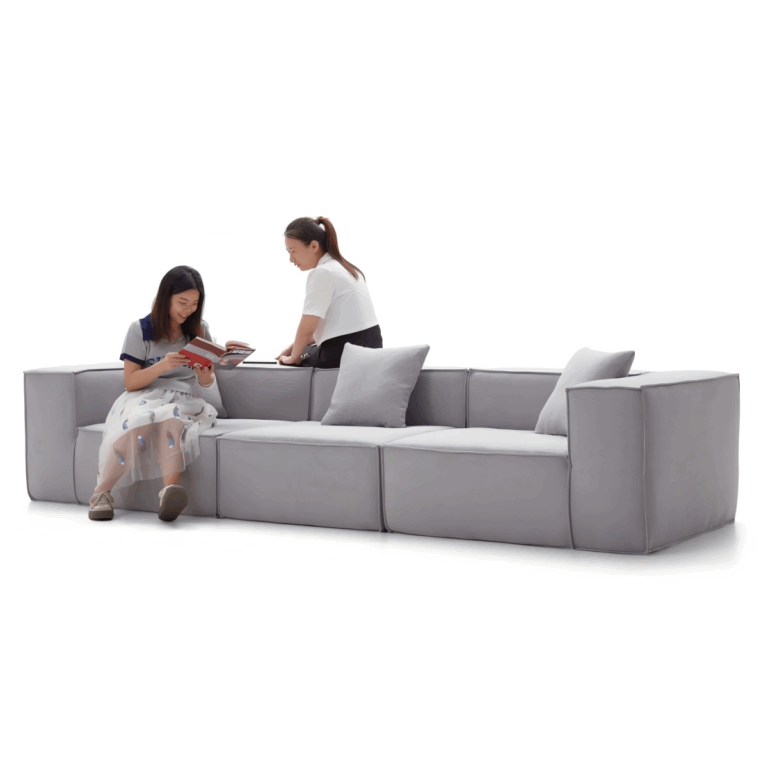

How to Choose the Right Office Furniture for Corporate Headquarters in 2026
The design of a corporate headquarters serves as the physical manifestation of a brand’s values and future vision. In 2026, the focus has shifted from mere utility to creating environments that foster high-level performance and employee well-being. Selecting the right office furniture for corporate headquarters requires a balance between aesthetic prestige and functional excellence. Procurement managers and business owners face the challenge of outfitting spaces that accommodate both focused executive work and dynamic team collaboration. This guide explores the essential elements of modern headquarters design, helping you make informed decisions for your next major office upgrade. We will examine how to integrate technology, sustainability, and ergonomics into a cohesive workspace strategy.
Defining the 2026 Aesthetic for Corporate Headquarters
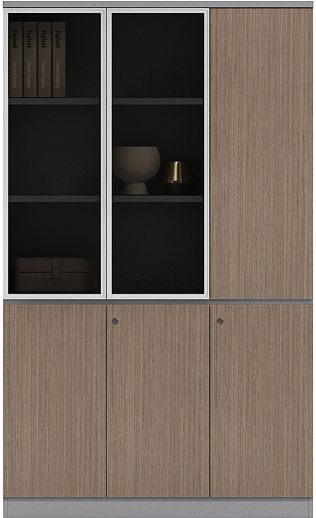
A corporate headquarters must leave a lasting impression on clients, partners, and top-tier talent. The current trend emphasizes minimalist luxury, characterized by clean lines and high-quality natural materials. This aesthetic signals stability and forward-thinking leadership.
When selecting office furniture for corporate headquarters, consider how each piece contributes to your brand identity. Custom finishes and bespoke designs are increasingly popular to ensure the furniture matches specific corporate color palettes. This level of detail transforms a standard office into a unique brand experience.
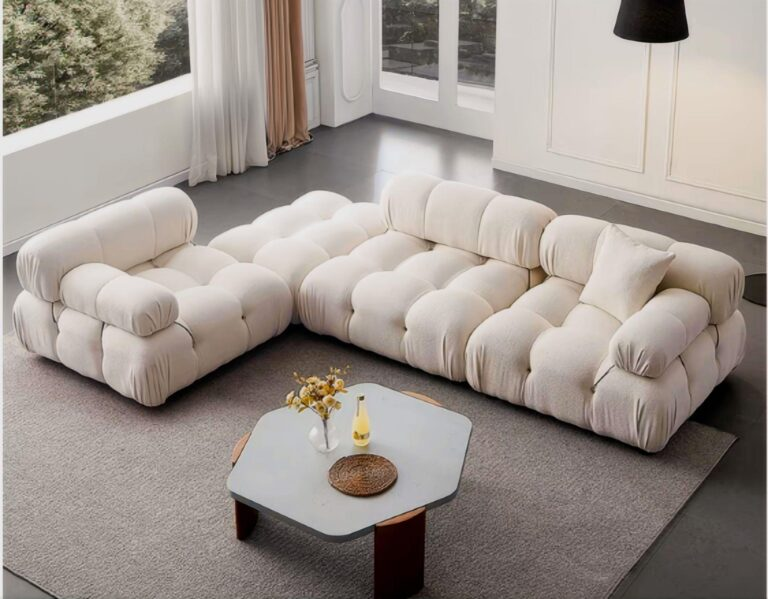
Materials like sustainable oak, matte steel, and recycled stone are leading the market in 2026. These choices provide a tactile sense of quality while meeting modern environmental standards. Investing in premium finishes ensures that your headquarters remains visually relevant for years to come.
Implementing Modular Workstation Systems for Hybrid Agility
The modern headquarters must be adaptable to changing team sizes and project requirements. Modular workstation systems allow for quick reconfigurations without the need for significant construction. This flexibility is essential for companies maintaining hybrid work models.
Bench-style desks with integrated privacy screens offer a balance between collaboration and focused work. In 2026, these systems often include height-adjustable features as a standard requirement. Providing employees with the ability to switch between sitting and standing improves long-term productivity.
Cable management is another critical factor in workstation selection. High-end systems now feature hidden channels and wireless charging pads built directly into the desktop surface. This maintains a clean, clutter-free environment that promotes mental clarity and professional focus.
Prioritizing Executive Ergonomics and Wellness
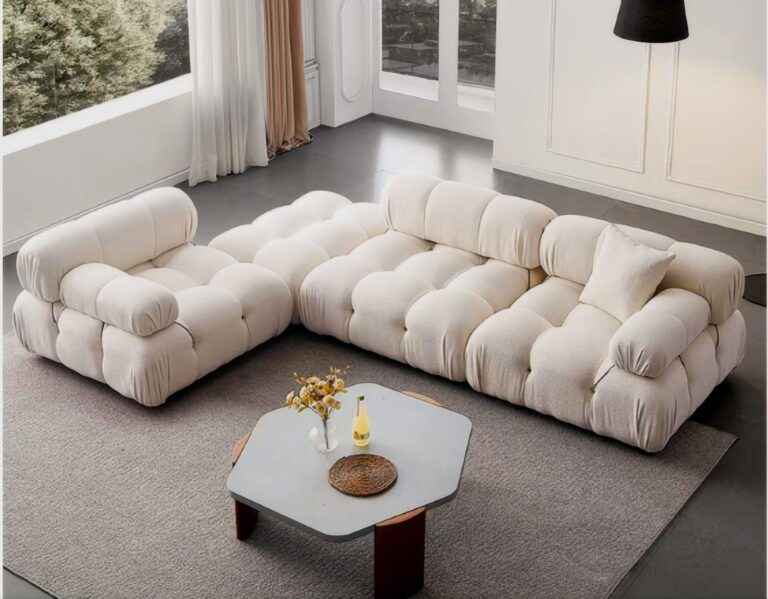
Employee health is a primary driver in furniture procurement for 2026. High-performance ergonomic task chairs are no longer optional; they are a fundamental investment in human capital. These chairs should offer multi-point adjustments to support various body types.
Beyond individual seating, wellness-centric design includes the use of biophilic elements. Furniture that incorporates planters or uses organic shapes can reduce stress levels in the workplace. This approach creates a more inviting atmosphere for staff returning to the office.
Executive suites require specialized furniture that reflects seniority while providing maximum comfort. Large-format executive desks with soft-close drawers and integrated storage help maintain an organized workspace. These pieces should be paired with premium guest seating for high-level consultations.
| Furniture Category | Key Features | Primary Use Case |
|---|---|---|
| Executive Suites | Premium wood veneers, leather finishes, custom storage | Private offices and leadership zones |
| Operational Desking | Modular frames, height-adjustability, integrated power | General staff areas and department hubs |
| Collaboration Zones | Acoustic soft seating, mobile whiteboards, media units | Team brainstorming and informal meetings |
| Boardroom Systems | Large-scale tables, AV integration, hidden cabling | Client presentations and board meetings |
Integrating Technology into Conference and Boardroom Furniture
The boardroom is the heart of corporate decision-making and requires furniture that supports seamless communication. In 2026, boardroom tables are designed with built-in 4K displays and omnidirectional microphones. This technology must be integrated discreetly to maintain the room’s professional look.
Seamless connectivity is a top priority for procurement managers. Tables should feature ‘plug-and-play’ interfaces that allow for instant screen sharing from any device. This reduces the downtime associated with technical setup during important meetings.
Seating in conference rooms must be comfortable enough for long sessions but streamlined to save space. Slim-profile swivel chairs with high-quality upholstery are the preferred choice for modern headquarters. These chairs allow for easy movement and interaction among participants.
Acoustic Solutions and Privacy in Open-Plan Layouts
Open-plan offices frequently suffer from noise distractions that hinder deep work. To combat this, corporate headquarters are increasingly utilizing acoustic furniture. This includes sound-absorbing partitions, acoustic wall panels, and specialized phone booths.
Privacy pods provide a quiet retreat for sensitive calls or focused tasks without requiring permanent walls. These units are often equipped with their own ventilation and lighting systems. They offer a cost-effective way to add private spaces to an existing open floor plan.
Acoustic soft seating in breakout areas also helps dampen sound while providing a comfortable spot for casual meetings. Using high-density foam and specialized fabrics, these pieces reduce the travel of sound across the office. This creates a more productive and peaceful work environment for everyone.
Sustainable Procurement and Circular Furniture Design
Sustainability is a core component of corporate social responsibility in 2026. When sourcing office furniture for corporate headquarters, look for certifications such as LEED or BIFMA. These standards ensure the products are manufactured with minimal environmental impact.
Circular design focuses on the longevity and end-of-life recyclability of furniture. Many leading manufacturers now offer buy-back programs or use modular components that can be easily replaced. This reduces waste and ensures that your investment retains value over time.
Choosing locally sourced materials or manufacturers with transparent supply chains is also beneficial. This reduces the carbon footprint associated with shipping and supports ethical labor practices. Sustainable furniture is a powerful statement about a company’s commitment to the future.
Investing in the Future of Your Workspace
Choosing the right office furniture for corporate headquarters is a strategic decision that impacts productivity and brand perception. By focusing on modularity, ergonomics, and sustainable materials, you can create a workspace that meets the demands of 2026 and beyond.
A well-designed headquarters is more than just a place to work; it is a tool for attracting talent and inspiring innovation. Take the time to evaluate your needs and select pieces that offer both lasting quality and functional flexibility.
Ready to streamline your logistics?
Ready to transform your workspace? Explore our 2026 collection of premium office furniture for corporate headquarters. Visit [URL] to request a custom quote or download our latest design catalog.
Request Quote