

How to Select a Modular Office Furniture Manufacturer for Your 2026 Workspace
The landscape of corporate environments has shifted dramatically as we move through 2026. Businesses no longer look for static desks and chairs but seek fluid systems that adapt to hybrid work models and collaborative needs. Finding a reliable modular office furniture manufacturer is now a strategic priority for procurement managers and office planners worldwide. This guide explores how to evaluate partners who can provide high-quality, adaptable desk systems and ergonomic task seating tailored to modern requirements.
The Evolution of Workspace Design in 2026
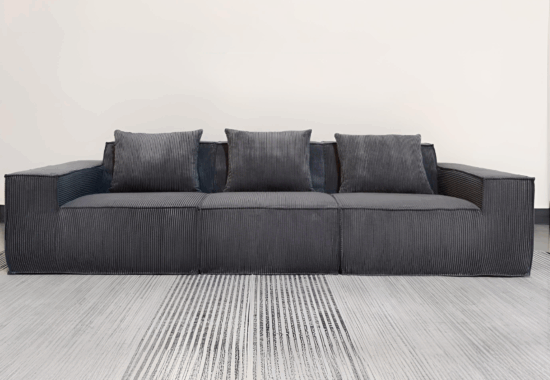
In 2026, the primary focus of office design is flexibility. Modular furniture allows companies to reconfigure their floor plans without purchasing entirely new inventory. This adaptability is crucial for businesses that experience seasonal shifts in headcount or project-based team structures.
A leading modular office furniture manufacturer understands that space is a premium asset. They design products that maximize square footage while maintaining employee comfort. Today’s solutions often include integrated technology ports and mobile privacy screens that can be moved in seconds.
Key Quality Standards for Corporate Furniture Procurement
When evaluating a manufacturer, certifications are the first line of defense against poor quality. Look for BIFMA certified furniture to ensure that the products meet rigorous safety and durability standards. ISO certifications also indicate that the manufacturer follows consistent quality management processes.
High-quality materials such as high-pressure laminates, powder-coated steel, and recycled aluminum are hallmarks of premium products. These materials ensure that the furniture can withstand the daily wear and tear of a busy corporate environment for years to come.
Customization vs Standardization in Modular Systems
Many businesses struggle to choose between off-the-shelf products and custom-designed solutions. A top-tier modular office furniture manufacturer should offer a balance of both. Standardization ensures that you can easily order replacement parts or additional units as your company grows.
Customization allows you to align the furniture with your corporate branding and specific workflow needs. This might include custom upholstery colors, unique desk shapes, or specialized acoustic treatments for open-plan office solutions. Finding a partner who can handle both at scale is essential.
Sustainability and Material Innovation
Sustainability is no longer an option but a requirement in 2026 procurement. Modern manufacturers are utilizing sustainable office materials like ocean-bound plastics and FSC-certified wood. These choices help corporations meet their ESG goals while providing a healthier environment for employees.
Ask your manufacturer about the end-of-life cycle for their products. Many now offer buy-back programs or use modular designs that allow for easy repair and part replacement. This circular economy approach reduces waste and lowers the total cost of ownership over time.
Ergonomics and Employee Productivity
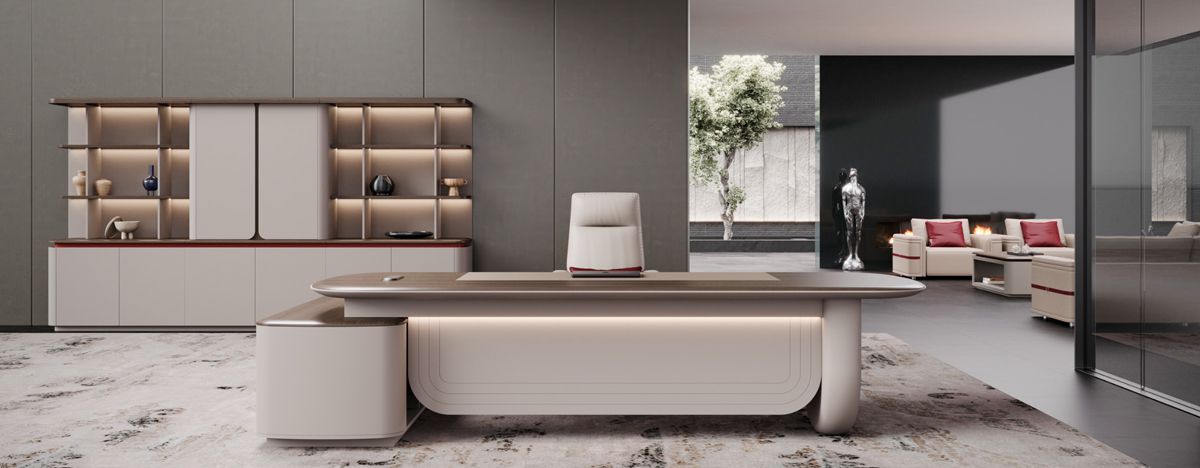
The link between ergonomic task seating and productivity is well-documented. A modular office furniture manufacturer must prioritize human-centric design. This includes height-adjustable workstations that allow employees to switch between sitting and standing throughout the day.
Proper lumbar support, adjustable armrests, and intuitive controls are non-negotiable features for 2026. When employees are comfortable, they are more focused and less prone to repetitive strain injuries. This directly impacts the bottom line by reducing absenteeism and improving morale.
Comparing Modular Furniture Categories
Understanding the different types of modular furniture helps in creating a cohesive workspace. Different zones in an office require different furniture configurations. For example, focus zones need acoustic privacy pods, while social zones benefit from modular lounge seating.
The following table provides a quick comparison of common modular furniture types used in modern office planning.
| Furniture Type | Primary Benefit | Flexibility Level |
|---|---|---|
| Collaborative Benching | Encourages teamwork and communication | High |
| Height-Adjustable Desks | Improves employee health and comfort | Medium |
| Acoustic Privacy Pods | Provides quiet space for deep work | Low (Stationary) |
| Modular Partition Walls | Quickly reconfigures office layout | Very High |
| Smart Office Lockers | Secure storage for hybrid workers | Medium |
Evaluating Lead Times and Manufacturer Scalability
In the fast-paced business world of 2026, lead times are a critical factor. A manufacturer must have a robust supply chain to meet tight project deadlines. Delayed furniture deliveries can stall office openings and disrupt business operations.
Scalability is equally important for growing enterprises. Ensure your chosen partner has the production capacity to handle large-scale orders without compromising on quality. Ask for case studies or references from other large corporate furniture procurement projects they have managed.
Building a Future-Ready Office
Choosing the right modular office furniture manufacturer is a foundational step in creating a modern, productive workspace. By focusing on quality standards, ergonomic benefits, and sustainable practices, you can ensure your office remains functional and attractive for years to come.
As we navigate the workplace trends of 2026, flexibility remains the most valuable asset. Investing in modular systems allows your business to evolve alongside your team, providing a supportive environment that fosters innovation and growth.
Ready to streamline your logistics?
Upgrade your workspace with the latest in modular design. Contact our expert team today to request a comprehensive quote or explore our 2026 product catalog for your next office project.
Request Quote