

How to Select the Best Office Furniture for Public Sector Projects in 2026
Sourcing office furniture for public sector projects requires a perfect balance of strict compliance and long-term durability. In 2026, procurement managers face increasing pressure to provide ergonomic workspaces while adhering to rigid budgetary constraints. This guide provides actionable insights for navigating the complexities of institutional furniture acquisition. Successful projects rely on selecting pieces that withstand high-traffic use while meeting modern aesthetic standards. By understanding the intersection of safety standards and functional design, agencies can create environments that foster productivity and public trust.
Navigating Regulatory Compliance in Public Procurement
Public sector contracts often hinge on meeting specific safety and quality standards that differ from private sector requirements. Furniture must typically pass rigorous testing such as BIFMA or ISO certifications to ensure longevity in high-use environments. Choosing a supplier who understands these regulatory frameworks is essential for project success.
In 2026, compliance also extends to fire safety and chemical emission standards. Procurement officers must verify that all materials used in institutional furniture are non-toxic and flame-retardant. Documentation for these certifications should be readily available during the bidding process to avoid project delays.
Understanding BIFMA and ISO Standards
BIFMA standards ensure that office chairs and desks can handle the weight and repetitive use common in government offices. ISO certifications provide a global benchmark for quality management and environmental impact. Verifying these credentials protects the organization from liability and premature equipment failure.
Prioritizing Ergonomics and Employee Well-being
Employee well-being has become a central focus for government agencies in 2026. Investing in high-quality ergonomic seating and height-adjustable desks reduces workplace injuries and boosts productivity. These features are no longer optional but a standard requirement for modern public offices.
Ergonomic furniture must be adaptable to a diverse workforce. Features such as adjustable lumbar support, seat depth, and armrest height are critical for inclusivity. Providing flexible solutions ensures that all staff members can work comfortably regardless of their physical requirements.
| Material Type | Durability Rating | Maintenance Level | Sustainability Factor |
|---|---|---|---|
| Reinforced Steel | Highest | Low | High (Recyclable) |
| High-Pressure Laminate | High | Very Low | Moderate |
| Solid Hardwood | Moderate | High | High (Renewable) |
| Recycled Polymers | High | Low | Highest |
Sustainability and Environmental Standards for 2026
Green procurement is a primary driver in 2026 public sector initiatives. Agencies are prioritizing office furniture for public sector projects that utilize recycled materials and sustainable manufacturing processes. This shift supports national carbon reduction goals and promotes a circular economy.
Look for LEED or GREENGUARD certifications to ensure environmental compliance. These labels guarantee that the furniture contributes to healthy indoor air quality and minimal environmental impact. Sustainable sourcing is not just an ethical choice but often a mandatory requirement in modern government tenders.
Optimizing Budgets for Long-Term Value
While initial costs are important, procurement managers must focus on the total cost of ownership. High-quality office furniture for public sector projects may have a higher upfront price but offers better value through reduced replacement cycles. Durability is the key to maximizing public funds.
Modular furniture systems offer additional budget flexibility. These pieces can be reconfigured as department needs change, eliminating the need for entirely new purchases. Planning for modularity ensures that the workspace remains functional for a decade or more.
Material Selection for High-Traffic Institutional Use
Institutional environments demand materials that can withstand heavy daily use and frequent cleaning. Metal frames and high-pressure laminates are popular choices due to their resistance to scratches and impact. These materials maintain their appearance even in busy service centers.
Fabric selection is equally important for seating. Antimicrobial and easy-clean textiles are preferred in public spaces to maintain hygiene standards. In 2026, performance fabrics offer both durability and a professional aesthetic, bridging the gap between clinical and corporate design.
Achieving Excellence in Public Sector Workspace Design
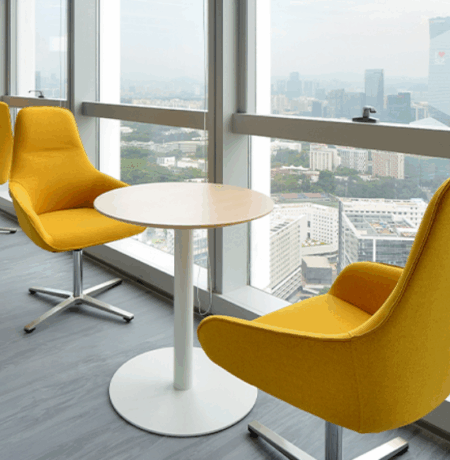
Procurement for the public sector is about more than just aesthetics. It is about creating functional, safe, and sustainable environments for public servants and the citizens they serve. By focusing on quality standards, ergonomic value, and material durability, planners can ensure successful project outcomes.
As we navigate 2026, the emphasis on sustainability and employee health will only grow. Selecting the right office furniture for public sector projects requires a forward-thinking approach that values long-term performance over short-term savings. Partnering with experienced suppliers is the best way to achieve these goals.
Start Your Shipment
Ready to upgrade your workspace? Contact our expert procurement team today to receive a customized quote for your next public sector project. Visit our website to view our 2026 institutional furniture catalog and explore our sustainable solutions.
Request Quote