

Modern Office Furniture Procurement: Finish Match & Lead-Time Plan
Ergonomic seating failures and warranty disputes stack up when Modern Office Furniture Procurement lack Class-4 gas lifts and documented duty-cycle specs. Acoustic pods and high-back collaborative seating need documented NRC targets—not residential lounge aesthetics alone. With cube-aware KD engineering and site-delivery planning, Office Furniture Wholesale helps importers protect both product quality and install dates. Compare residential versus commercial outdoor grades, lead-time stages, and biosecurity packing requirements in this 2026 selection matrix.
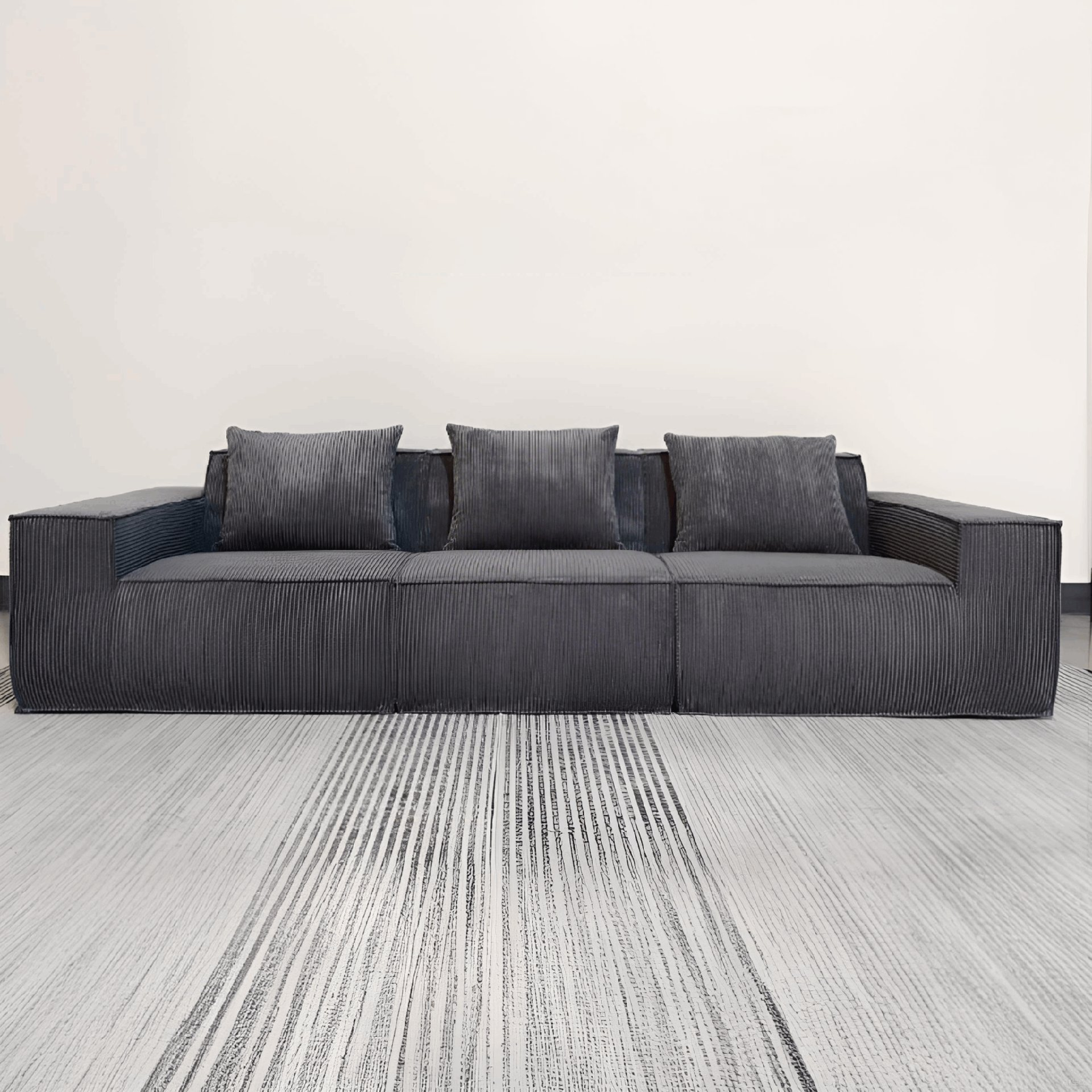
Key Takeaways
Lock commercial specs and Golden Sample approval before bulk cutting on modern office furniture procurement.
Confirm MOQ tiers, finish families, and AQL gates in the award sheet.
Validate KD packing and install dates — published lead times drift with materials.
How Do Commercial Modern Office Furniture Procurement Designs Meet Ergonomic Workstation Standards?
Global ergonomic compliance for modern office furniture procurement requires strict adherence to BIFMA X5.5 standards, ensuring that desk height adjustability ranges from 22.6 to 48.7 inches to accommodate the 5th percentile female to 95th percentile male user base. Procurement teams must verify that OEM designs incorporate dual-motor lift columns with collision-detection sensors, as these components are critical for preventing equipment damage and ensuring user safety within high-traffic corporate environments globally, regardless of the specific Shanghai/Ningbo. Beyond motorized functionality, workspace designs must integrate cable management trays and monitor arm mounting points that comply with VESA interface specifications to maintain clean sightlines and reduce musculoskeletal strain. Manufacturers operating under Universal Trade Standards must provide third-party test reports validating that these ergonomic features maintain structural integrity under continuous, daily usage cycles.
Procurement officers should mandate that all documentation submitted with the Commercial Invoice and Packing List reflects these specific ergonomic certifications to avoid entry delays. Refining the design brief for international procurement involves specifying seat-pan depth adjustability and lumbar support tension settings that align with international health and safety directives. By enforcing these standards at the factory level, buyers ensure that modular workstation systems remain compatible with diverse workforce demographics across Global offices. On Modern Office Furniture Procurement, landed-cost control depends on separating contractual unit prices from tooling deposits, exclusive fabric upcharges, and spare-parts kits before award. Teams should validate AQL gates, ISPM-15 wood packs, and KD load plans against install calendars so receiving delays do not silently convert into project storage fees.
On Modern Office Furniture Procurement, landed-cost control depends on separating contractual unit prices from tooling deposits, exclusive fabric upcharges, and spare-parts kits before award. Teams should validate AQL gates, ISPM-15 wood packs, and KD load plans against install calendars so receiving delays do not silently convert into project storage fees. A written exception path for color ΔE failures and mechanism rejects keeps procurement from paying premium rework without an auditable alternative. Itemize mechanism cycles, mesh density, and fabric rub counts so RFQs never hide spec gaps.
| Spec Dimension | MFC / Particleboard | MDF | Solid Wood / Plywood |
|---|---|---|---|
| Core Structure | Cost-efficient panel for carcass & shelving | Dense uniform core for routed profiles | Premium frames, tabletops, exposed edges |
| Surface / Finish | Melamine or HPL laminate options | Paint, veneer, or HPL with PUR edge | Oil, lacquer, or natural grain sealers |
| Load / Stiffness | Good for static retail shelving loads | Higher screw-hold for hardware inserts | Best cyclic load for chairs & tables |
| Emissions Grade | E0 / CARB P2 / TSCA Title VI available | E0 / CARB P2 with sealed edges | Naturally low-VOC when unfinished |
Common mistake: Treating commercial and residential office warranties as interchangeable.
Risk alert: Under-specified frame wall thickness fails early on high-turnover office floors.
What Spare-Parts and Color-Match Clauses Belong in a Modern Office Furniture Procurement MSA?
Master Service Agreements must specify a mandatory spare-parts inventory, typically calculated as three percent of the total order volume, covering high-wear items such as pneumatic cylinders, castor wheels, and motor control boxes. To maintain brand consistency across global offices, the MSA should explicitly define color-match tolerances using CIELAB color space values rather than subjective visual inspection. This quantitative approach ensures that furniture batches produced months apart maintain uniform aesthetics, preventing visible color shifts upon site assembly. Operational governance requires that the supplier maintains a master color reference sample, validated by the buyer, to serve as the definitive benchmark for all subsequent production runs.
The MSA must also detail the process for batch-specific color verification, where random samples are pulled from the line and compared against the master reference under standardized D65 lighting conditions. This level of technical detail protects the buyer from the logistical and financial burden of returning non-conforming furniture. Finish-evidence risk on Modern Office Furniture Procurement rises when condition photos are assembled only after damage is discovered. Buyers should lock photo protocols at factory stuffing and delivery, and packing assumptions before award. Exception reports must tie carton counts, corner-board specs, and shade lots to the commercial invoice so recovery paths remain enforceable. Treat damage evidence readiness as an ops milestone, not a post-loss scramble. Align MOQ tiers, cartonization plans, and spare-parts kits in the same award brief.
For Modern Office Furniture Procurement: lock finish boards, AQL photo packs, and named packing owners before the bulk deposit clears so install calendars stay enforceable.
| Clause Element | Technical Requirement | Operational Impact |
|---|---|---|
| Spare Parts | 3% of total order volume | Reduces downtime for repairs |
| Color Tolerance | Delta-E < 2.0 (CIELAB) | Ensures visual uniformity |
| Reference Standard | Master physical sample + D65 light | Eliminates subjective disputes |
Common mistake: Approving finishes from photos alone without coating system and thickness notes.
Risk alert: Thin powder coats chip and expose steel to corrosion in high-touch shared zones.
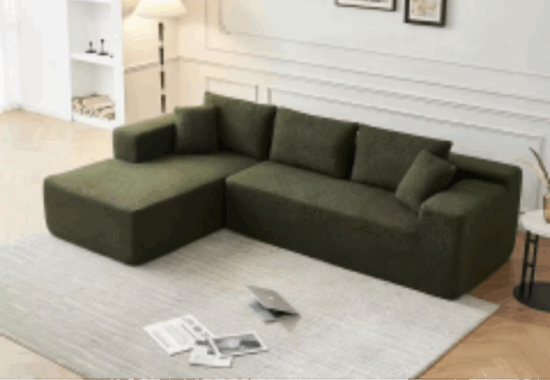
Which Steel Gauge, Castor Class, and Mesh Density Separate Premium Modern Office Furniture Procurement?
Premium modern office furniture procurement hinges on the selection of industrial-grade materials, specifically cold-rolled steel with a minimum gauge of 14 for structural frames, which provides the necessary rigidity for heavy-duty workstations. Buyers must distinguish between standard residential-grade components and commercial-class castors, which should be rated for a minimum of 100,000 cycles under load. These specifications are vital for sustaining furniture performance in demanding, high-utilization environments while navigating the complexities of international trade and SOLAS-compliant freight shipping.
Mesh density in seating is another critical differentiator, where premium items utilize multi-layered elastomeric mesh with a tensile strength exceeding 300 pounds per square inch to prevent sagging over extended use. Procurement teams should verify that the manufacturer uses high-pressure die-cast aluminum bases rather than plastic-composite alternatives to enhance overall load-bearing capacity and longevity. Aligning material procurement with global logistics requires a clear understanding of how steel weight and component durability influence shipping costs and handling requirements. By specifying premium steel gauges and high-density mesh at the sourcing stage, buyers reduce the frequency of lifecycle replacement, effectively amortizing costs over a longer period despite the higher upfront investment.
For Modern Office Furniture Procurement: itemize mechanism cycle ratings and EN evidence on one RFQ line so silent substitutions cannot land as invoice shock.
| Procurement Dimension | Direct OEM Factory | Trading Intermediary | Decision Gate |
|---|---|---|---|
| Unit Cost at Volume | Factory-direct baseline (lowest landed cost) | 15%–30% layered trading markup | Verify raw material BOM breakdown |
| Custom Tooling & CAD | Direct engineering team & tooling control | Limited to partner factory catalog specs | Require 3D CAD sign-off & Golden Sample |
| Sample Lead Time | 10–18 days post-finish confirmation | +7–14 days due to multi-layer routing | Bind sample approval to bulk PO deposit |
| QC & AQL Transparency | Direct line access to in-line audits (AQL 2.5) | Dependent on third-party agent reports | Mandate pre-shipment photo & video audit pack |
Common mistake: Buying a single SKU family when the brief needs modular reconfiguration.
Risk alert: One-size lounge sets fail mixed coworking zones that need lounge + focus mixes.
How Can Facility Managers Spec Modular Modern Office Furniture Procurement for Coworking Fit-Outs?
Facility managers should prioritize modular furniture procurement that utilizes tool-less assembly systems, allowing for rapid reconfiguration of coworking spaces as membership demands shift. By specifying universal connector brackets and standardized bolt patterns, managers ensure that furniture from different production batches remains interoperable, reducing the need for costly custom modifications. These modular designs must be verified against International Trade Standards to ensure that the simplified assembly process does not compromise the overall structural stability or the load-bearing requirements of the office.
The procurement strategy for coworking environments must account for the high frequency of user turnover, necessitating the use of antimicrobial surfaces and scratch-resistant laminates that meet standard industrial durability tests. Managers should require the supplier to provide detailed assembly manuals and digital CAD blocks to facilitate space planning and ensure that all furniture footprints comply with local fire safety codes and exit path regulations. This documentation must be managed alongside the Commercial Invoice to ensure smooth import customs processing. To optimize global logistics, facility managers should spec furniture that maximizes nesting or stacking capabilities, which significantly reduces the volumetric weight of the shipment and lowers international freight costs.
Common mistake: Ordering non-matching modules that cannot share connectors across phases.
Risk alert: Fixed lounge footprints block flexible collaboration zones during peak events.
What Sample Lead Times and Tooling Deposits Apply to Modern Office Furniture Procurement Pilots?
Procurement cycles for custom modern office furniture procurement prototypes typically span 21 to 45 days, contingent upon the complexity of ergonomic adjustments and material sourcing. Tooling deposits usually range from 30% to 50% of the mold development cost, serving as a financial hedge for factories against bespoke plastic injection or metal stamping requirements. Buyers must ensure these deposits are explicitly linked to milestone approvals to prevent capital lock-up when design iterations fail to meet the required aesthetic or structural specifications during the testing phase.
Operational efficiency is gained by bundling sample production with initial tooling runs, reducing total lead times by nearly two weeks. Clear contractual language regarding tooling ownership is essential, ensuring that once the deposit is settled and the pilot concludes, the intellectual property rights for the custom dies remain with the buyer rather than the OEM facility. Establishing a transparent communication channel for feedback loops during the pilot phase directly impacts the final production timeline, preventing costly delays when scaling to full-container shipments for large-scale corporate fit-outs.
Common mistake: Assuming every factory can match Pantone and fabric lots without trial runs.
Risk alert: Unclear logo and branding specs delay OEM tooling and sample cycles.
How Does Factory Flat-Pack Engineering Protect Modern Office Furniture Procurement Finish Quality?
Flat-pack engineering is the primary defense against surface degradation during the ocean transit of modern office furniture procurement shipments. By utilizing high-density honeycomb cardboard inserts and EPE foam corner protectors, factories isolate vulnerable finishes like powder-coated steel or melamine laminates from vibration-induced abrasion. This structural packaging strategy is validated by the packing specification, which dictates the cargo’s handling requirements. Proper weight distribution inside the container ensures that heavy bases do not shift and crush lighter, fragile desk surfaces during heavy sea swells.
Quality control at the packing stage involves rigorous verification of the Commercial Invoice + Packing List + packing specification, ensuring that every component of the workstation is accounted for in the flat-pack configuration. Protective measures extend to the inclusion of desiccant packs within each carton to prevent moisture buildup, a critical step when moving goods through diverse climate zones. These operational safeguards are essential for maintaining the pristine visual standards expected in high-end, contemporary corporate environments upon arrival at the Rotterdam/Hamburg.
The effectiveness of flat-pack protection is ultimately measured by the reduction in damage claims filed against the freight carrier. Procurement teams should mandate that the factory performs a drop test on a representative flat-pack unit before mass production begins to confirm that the internal protective geometry holds under stress. When the packaging strategy aligns with the specific durability of the furniture components, the risk of surface marring or structural fatigue is minimized, ensuring that the furniture remains in showroom condition throughout the global supply chain.
Common mistake: Omitting bagged, labeled fitting kits tied to each KD carton.
Risk alert: Hardware bags left loose rust and go missing before site assembly.
How Should Buyers Audit OEM Capacity Before Scaling Modern Office Furniture Procurement Reorders?
Auditing OEM capacity for modern office furniture procurement requires a deep dive into the factory’s daily output rate versus their peak seasonal demand. A critical audit point is the factory’s secondary material supply chain, specifically their ability to maintain consistent raw material stock levels, which prevents production bottlenecks during periods of high market volatility or sudden surges in global demand for modular office systems. Capacity assessments should include a review of the factory’s internal quality management systems and their history of compliance with Universal Trade Standards (Incoterms / WCO / SOLAS).
Buyers need to see documented evidence of their ability to scale labor hours without compromising the finish quality of the furniture. If the factory cannot provide a clear roadmap for scaling production—supported by a robust Commercial Invoice + Packing List + packing specification filing system—then the risk of late deliveries and quality variance increases significantly for the purchasing organization. Effective scaling depends on the buyer’s ability to integrate their procurement forecasting with the factory’s production scheduling software. Before committing to high-volume reorders, verify that the facility has the storage capacity to hold finished goods for short periods if ocean freight availability is constrained.
Common mistake: Locking MOQ and colorways verbally without signed finish boards and BOM.
Risk alert: Starting bulk production before written PP sample approval triggers costly rework.
Why Do Buyers Spec Modern Office Furniture Procurement Against Real Duty-Cycle Wear in Open Offices?
Modern office furniture procurement strategies must prioritize components that withstand the high-frequency duty cycles typical of open-plan environments. Unlike residential counterparts, commercial-grade furniture is spec’d for 24/7 usage, requiring robust joints, high-cycle hinges, and finishes that resist constant friction from laptops and peripheral equipment. Buyers must align their specifications with the reality of daily wear, ensuring that the materials selected can survive years of intense interaction without showing premature signs of structural fatigue or surface erosion that would necessitate costly replacements.
Operational longevity is achieved by mandating specific testing standards, such as BIFMA or equivalent international certifications, for all high-traffic components. When drafting the contract, include requirements for replaceable wear parts, ensuring that the furniture remains functional even if specific high-stress components fail. The fiscal impact of duty-cycle wear is significant, especially when considering the overhead of frequent repairs or full-scale replacements in global office branches. By focusing on high-density materials and reinforced ergonomics, buyers mitigate the long-term risk of furniture failure. Ensuring that all procurement documentation, including the packing list and packing specification, accurately reflects the grade and duty-cycle rating of the goods ensures that the product received matches the high-performance requirements of a demanding, modern workspace that must remain operational under constant use.
Common mistake: Accepting verbal production calendars without stage-gated written schedules.
Risk alert: Unverified lead-time claims collapse when sample sign-off slips.
Decision Framework
By volume: Map MOQ tiers and SKU mix before award—mixed lounge and seating orders need aligned finish families and KD carton plans for Modern Office Furniture Procurement.
By speed: Prioritize expedited spare-parts shipping or express sea-lanes with guaranteed equipment availability for urgent project requirements.
By cargo profile: Flag fire/safety marks (BIFMA, EN 16139, and market-relevant fire/composite-wood evidence) before production—not after export packing.
Real-World Corridor Case Studies
A distributor’s first import used flat-pack KD cartons to lift 40HQ utilization without pre-assembled air. Carton dims, ISPM-15 corner boards, and hardware kit labeling were verified against the stuffing plan. Our engineering team aligned site-access and floor-staging notes so CBD stores without loading bays could receive without re-delivery fees.
A flexible workspace operator ordered mixed lounge modules with logo embroidery and two finish families. Tooling amortization and MOQ tiers were written into the award sheet before deposit. Our engineering team kept modular junction hardware consistent so future expansion bays matched the first install.
Execution Checklist for Modern Office Furniture Procurement
Lock commercial durability specs, OEM samples, and compliance packs before authorizing bulk production on Modern Office Furniture Procurement.
Validate KD carton plans, AQL evidence, and install-date buffers so project rollouts stay intact.
Process and Checkpoints
CAD Sign-off & Finish Lock
Freeze floor plans, seating counts, fabric/color codes, and CAD drawings before any Golden Sample for Modern Office Furniture Procurement.
Pre-Production Golden Sample
Approve PP/Golden Sample for frame gauge, mechanism cycles, fabric rub counts, and hardware grades tied to Modern Office Furniture Procurement before bulk deposit.
Incoming Material Inspection
Verify steel/foam/fabric/timber lots, moisture targets, and finish batches against the signed BOM for Modern Office Furniture Procurement.
In-Line Production Patrol
Run weld, powder-coat, cushion, and joinery patrols against the commercial BOM during bulk production of Modern Office Furniture Procurement.
AQL Pre-Shipment Audit
Execute AQL 2.5 (or project-specified) final inspection with photo/video evidence before export packing for Modern Office Furniture Procurement.
KD Stuffing Oversight
Supervise carton dims, corner protection, and 40HQ cube targets so Modern Office Furniture Procurement KD loads leave the factory undamaged.
Confirm the right route for your shipment
Need a scoped factory quote? Share finish codes, MOQ targets, and install dates for a commercial furniture proposal. Get a Quote
Request a route reviewFrequently Asked Questions
What CBM utilization target is realistic for a 40HQ furniture load?
Most finished-goods programs plan 65–70 CBM in a 40HQ after bracing, aisle clearance, and non-stackable SKU buffers are reserved.
What should buyers lock before awarding a private-mold (私模) furniture tool?
Confirm mold ownership, amortization against MOQ, spare-cavity rights, and finish change rules in writing so tooling cost is not stranded if SKUs evolve.
What sample lead time should B2B buyers plan before bulk furniture production?
Prototype or PP samples typically take 10–18 days after drawings and finish codes are locked; bulk production then runs about 25–40 days after written sample approval.
Which fire and safety documents matter for commercial furniture projects?
Ask for EN 13501 / EN 1021 / EN 16139 evidence plus REACH composite-wood documentation before bulk seating or casegoods ship to the EU market.
How should coworking operators plan modular office lounge and workstation layouts?
Use reconfigurable bench and lounge modules with consistent junction hardware so zones can expand for events without buying non-matching SKUs later.
What joint construction details matter on modular office lounge and bench frames?
Look for reinforced weld or mechanical connectors with alignment pins so modules stay square after repeated reconfiguration—and request spare connectors in the spare kit.
Unit pricing, MOQ tiers, and lead times move with raw-material indexes and finish-approval cycles. Confirm a scoped factory quote after sample sign-off.
This guide is commercial furniture procurement education, not legal or contract advice. Validate fire/safety marks for your destination market.