

Office Desk Contract: KD Efficiency & Hardware Kit
Mixed-SKU office fit-outs stall when Office Desk Contract assortments lack modular connectors and aligned finish families across lounge and desking lines. Buyers researching office desk manufacturer contract need auditable quotes and compliance checkpoints. Modular workstation lines require aligned power/USB modules and cable trays that meet destination electrical listings before bulk production. Engaging a compliance-aware manufacturer like Office Furniture Wholesale protects fire/safety evidence and market finish standards before shipment. Walk through fabric/frame specs, OEM pricing tiers, and inside-delivery constraints in this 2026 hospitality fit-out roadmap.
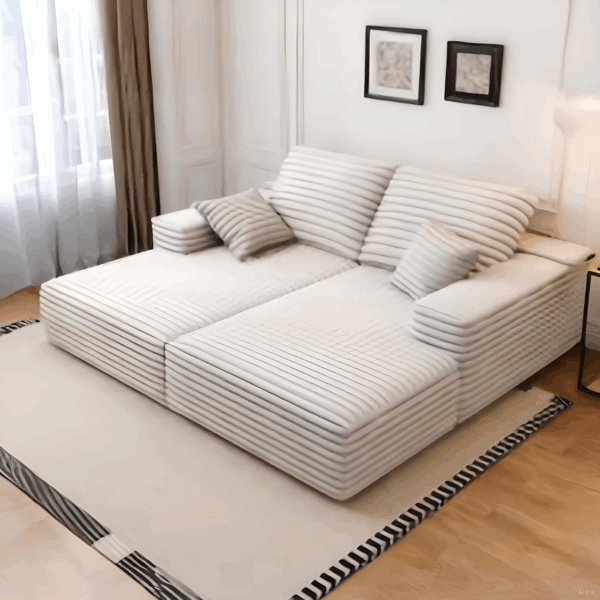
Key Takeaways
Lock commercial specs and Golden Sample approval before bulk cutting on office desk manufacturer contract.
Confirm MOQ tiers, finish families, and AQL gates in the award sheet.
Validate KD packing and install dates — published lead times drift with materials.
How Should Buyers Audit OEM Capacity Before Scaling Office Desk Reorders?
Verifying production throughput requires moving beyond a simple site visit to inspect mechanical stamping and powder coating lines. This audit should specifically target the manufacturer’s ability to maintain consistent lead times during peak demand cycles, ensuring that the factory floor is not over-leveraged by competing global contracts that could delay your specific office desk inventory replenishment schedules. Operational scaling is contingent on mapping the factory’s raw material sourcing tiers against your projected volume. An effective audit evaluates the facility’s integration with local supply chains, checking if they maintain sufficient safety stock to handle sudden spikes in demand without compromising structural integrity.
On Office Desk, commercial furniture programs win when duty-cycle specs, mesh density, and mechanism cycles are locked before RFQ. Buyers should require factories to confirm frame gauges, fabric rub counts, and sample lead times in writing so rework never arrives as silent invoice shock. Production buffers must sit beside cartonization plans so last-minute finish changes do not burn MOQ deposits. Keep named owners for sampling, QC, and packing on one shared brief. Reconfirm exception paths for finish mismatches before bulk cutting is finalized. Defend install windows with site-access notes, lift constraints, and phased delivery locks.
On Office Desk, landed-cost control depends on separating contractual unit prices from tooling deposits, exclusive fabric upcharges, and spare-parts kits before award. Teams should validate AQL gates, ISPM-15 wood packs, and KD load plans against install calendars so receiving delays do not silently convert into project storage fees. A written exception path for color ΔE failures and mechanism rejects keeps procurement from paying premium rework without an auditable alternative. Align MOQ tiers, cartonization plans, and spare-parts kits in the same award brief.
| Spec Dimension | MFC / Particleboard | MDF | Solid Wood / Plywood |
|---|---|---|---|
| Core Structure | Cost-efficient panel for carcass & shelving | Dense uniform core for routed profiles | Premium frames, tabletops, exposed edges |
| Surface / Finish | Melamine or HPL laminate options | Paint, veneer, or HPL with PUR edge | Oil, lacquer, or natural grain sealers |
| Load / Stiffness | Good for static retail shelving loads | Higher screw-hold for hardware inserts | Best cyclic load for chairs & tables |
| Emissions Grade | E0 / CARB P2 / TSCA Title VI available | E0 / CARB P2 with sealed edges | Naturally low-VOC when unfinished |
Common mistake: Assuming every factory can match Pantone and fabric lots without trial runs.
Risk alert: Unclear logo and branding specs delay OEM tooling and sample cycles.
How Should IT and Facilities Align Raceway Specs Around Office Desk?
Integrating complex cable management into office desk contracts requires precise alignment between the manufacturer’s engineering drawings and your facility’s IT infrastructure. Specify the exact aperture dimensions for grommets and the internal volume of the horizontal raceway to accommodate high-density cat-six cabling and modular power blocks. Failure to define these technical clearances in the initial contract often leads to costly on-site modifications, which can void the warranty or compromise the aesthetic finish of the desks upon final installation. Facilities teams must provide the manufacturer with a standardized site plan that dictates the orientation of power access points relative to the desk frame.
The contract should mandate that all cable trays and modesty panels are modular, allowing IT technicians to perform routine maintenance or hardware upgrades without disassembling the primary structural components of the desk. Documentation for raceway specifications should be explicitly listed in the Commercial Invoice + Packing List + packing specification to ensure that all optional components are accounted for during the shipping process. By mandating a pre-production prototype review, buyers can verify that the raceway capacity meets the specified load requirements for modern workstations. This proactive alignment reduces the risk of field installation failures and ensures that the finished office desk environment supports the sophisticated connectivity needs of a globally distributed workforce.
Site delivery on Office Desk fails when site access, lift dimensions, and phased install windows are negotiated as afterthoughts. Facility managers should lock after-hours access, floor protection, and spare-parts kits before the first wave arrives so punch-list holds do not cascade into storage. Pre-alert packing accuracy, caster class, and modular junction hardware must be reviewed in the same huddle that awards the bulk PO. Publish named owners for receiving and assembly so disputes stay tied to auditable milestones. Align MOQ tiers, cartonization plans, and spare-parts kits in the same award brief.
Common mistake: Skipping caster class and glide specs on multi-floor office BOMs.
Risk alert: Cheap casters mark hard floors and seize on carpet under continuous rolling.
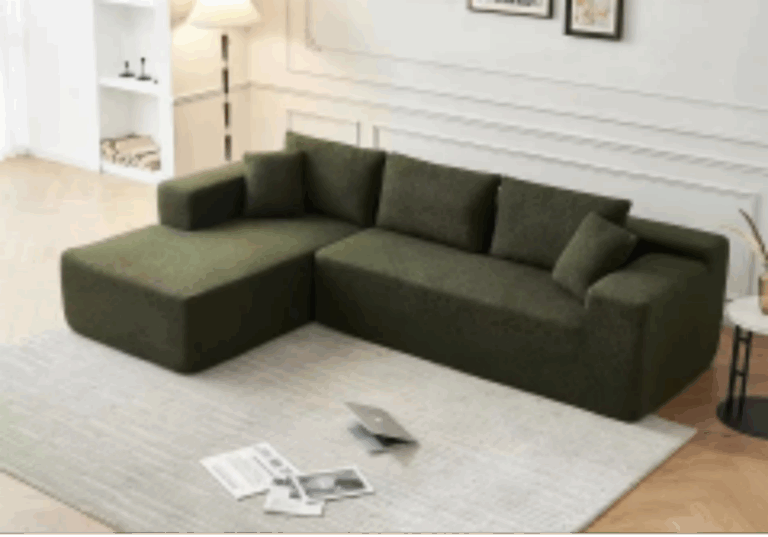
What Warranty Coverage Should Buyers Require When Sourcing Office Desk?
Comprehensive warranty terms for global office desk procurement must extend beyond basic mechanical failure to cover surface finish longevity and structural stability under heavy daily use. A robust contract should specify that the manufacturer remains liable for defects originating from poor raw material selection, even if those defects are not immediately apparent upon arrival. Ensure the agreement includes clear provisions for replacement parts or complete unit exchanges, factoring in the logistical complexity of international return shipping for defective goods. The warranty period should be tiered, providing longer coverage for the primary steel frame and shorter, performance-based coverage for moving parts like height-adjustment actuators or drawer slides.
On Office Desk, commercial furniture programs win when duty-cycle specs, mesh density, and mechanism cycles are locked before RFQ. Buyers should require factories to confirm frame gauges, fabric rub counts, and sample lead times in writing so rework never arrives as silent invoice shock. Production buffers must sit beside cartonization plans so last-minute finish changes do not burn MOQ deposits. Keep named owners for sampling, QC, and packing on one shared brief. Reconfirm exception paths for finish mismatches before bulk cutting is finalized.
On Office Desk, landed-cost control depends on separating contractual unit prices from tooling deposits, exclusive fabric upcharges, and spare-parts kits before award. Teams should validate AQL gates, ISPM-15 wood packs, and KD load plans against install calendars so receiving delays do not silently convert into project storage fees. A written exception path for color ΔE failures and mechanism rejects keeps procurement from paying premium rework without an auditable alternative.
| Standard / Protocol | What It Validates | Typical Cycle / Gate | Buyer Checkpoint |
|---|---|---|---|
| BIFMA X5 / Level marks | Commercial structural durability (destination-agnostic baseline) | 100k–300k cycle fatigue bands | Request test report + batch sample ID |
| ISO 9001 / factory QMS | Process control and corrective-action discipline | Valid certificate + audit scope match | Verify scope covers the SKU family on award |
| FSC / PEFC + E0/E1 core | Responsible wood + low-VOC composite emissions | Chain-of-custody + mill certs per lot | Reject unlabelled core lots at IQC |
| AQL 2.5 Pre-Shipment | Lot quality sampling before ship | Major/minor defect counts per lot size | Hold deposit until AQL pack signed |
Common mistake: Buying a single SKU family when the brief needs modular reconfiguration.
Risk alert: One-size lounge sets fail mixed coworking zones that need lounge + focus mixes.
What Line-Audit Checklist Predicts Reliable Office Desk Reorder Slots?
Predicting reliable production slots requires a monthly line-audit that evaluates the factory’s adherence to Universal Trade Standards (Incoterms / WCO / SOLAS) for all outgoing shipments. The checklist must prioritize the status of raw material inputs, such as the quality of cold-rolled steel and the consistency of high-pressure laminate finishes. A predictive audit should also examine the operational health of the factory’s logistics team, specifically their proficiency with the filing of a Commercial Invoice + Packing List + packing specification. Manufacturers that struggle with the administrative accuracy of these documents are statistically more likely to experience delays in the release of goods from customs, which directly impacts the reliability of your reorder slots.
Execution risk on Office Desk intensifies when drawings, finish boards, and packing lists fall out of sync. Procurement should require OEMs to publish confirmed sample calendars, mechanism cycle ratings, and carton mark standards in a single brief. Early PP approval, lot shade cards, and pre-shipment photos compress rework once cartons leave the factory. Treating each spec line as a controllable gate protects margins against unplanned peak-season quality volatility.
Release delays on Office Desk frequently trace to packing-list, carton-mark, and SKU mismatches rather than late production. Teams should reconcile piece counts, hardware kits, and delivery party data before stuffing so destination receiving does not hold goods for data repair. Pre-alert packs must mirror the packing list and commercial invoice values used for entry. Treat data hygiene as a project-lead-time defense.
Common mistake: Locking MOQ and colorways verbally without signed finish boards and BOM.
Risk alert: Starting bulk production before written PP sample approval triggers costly rework.
How Do EN 527 Dimensional Classes De-Risk Multi-Site Office Desk Procurement?
EN 527 standards provide the definitive framework for multi-site procurement by mandating specific dimensional ranges for desk height, width, and depth, effectively synchronizing international ergonomic requirements. By embedding these specific classes into your master supply agreement, you eliminate the risk of sourcing incompatible furniture that fails to meet local health and safety regulations across decentralized office branches. This standardization ensures that every workstation procured from your manufacturing partner maintains consistent physical properties regardless of the final global destination. When managing a global rollout, referencing EN 527-1:2011 serves as a binding technical baseline that prevents manufacturer deviation during high-volume production runs.
On Office Desk, commercial furniture programs win when duty-cycle specs, mesh density, and mechanism cycles are locked before RFQ. Buyers should require factories to confirm frame gauges, fabric rub counts, and sample lead times in writing so rework never arrives as silent invoice shock. Production buffers must sit beside cartonization plans so last-minute finish changes do not burn MOQ deposits. Keep named owners for sampling, QC, and packing on one shared brief. Reconfirm exception paths for finish mismatches before bulk cutting is finalized.
On Office Desk, landed-cost control depends on separating contractual unit prices from tooling deposits, exclusive fabric upcharges, and spare-parts kits before award. Teams should validate AQL gates, ISPM-15 wood packs, and KD load plans against install calendars so receiving delays do not silently convert into project storage fees. A written exception path for color ΔE failures and mechanism rejects keeps procurement from paying premium rework without an auditable alternative.
| Pack Configuration | CBM / Set (KD) | Gross Weight Band | 40HQ Quantity Hint |
|---|---|---|---|
| Chair / stool (nested KD carton) | 0.08–0.18 CBM | 8–16 kg / set | 350–700 sets / 40HQ |
| Dining / conference table (split top + legs) | 0.25–0.55 CBM | 28–55 kg / set | 110–220 sets / 40HQ |
| Casegoods / storage (flat panels + hardware) | 0.35–0.75 CBM | 35–70 kg / set | 85–170 sets / 40HQ |
| Lounge / sofa (KD frame + loose cushions) | 0.55–1.10 CBM | 45–90 kg / set | 55–110 sets / 40HQ |
Common mistake: Shipping commercial seating without market-relevant EN or BIFMA documentation.
Risk alert: Missing fire/safety evidence can block office handover and insurance cover.
What Spare-Parts and Color-Match Clauses Belong in a Office Desk MSA?
A robust Master Supply Agreement must stipulate a mandatory spare-parts inventory commitment, requiring the manufacturer to hold a rolling stock of critical components like actuators, control boxes, and leveling glides for a minimum of five years. By formalizing this requirement, you mitigate the risk of premature asset retirement due to minor electrical or mechanical failures. This clause ensures that your maintenance teams can perform localized repairs without needing to initiate a new procurement cycle or source expensive, non-standardized replacement parts from third-party vendors.
Finish-evidence risk on Office Desk rises when condition photos are assembled only after damage is discovered. Buyers should lock photo protocols at factory stuffing and delivery, and packing assumptions before award. Exception reports must tie carton counts, corner-board specs, and shade lots to the commercial invoice so recovery paths remain enforceable. Treat damage evidence readiness as an ops milestone, not a post-loss scramble.
On Office Desk, commercial furniture programs win when duty-cycle specs, mesh density, and mechanism cycles are locked before RFQ. Buyers should require factories to confirm frame gauges, fabric rub counts, and sample lead times in writing so rework never arrives as silent invoice shock. Production buffers must sit beside cartonization plans so last-minute finish changes do not burn MOQ deposits. Keep named owners for sampling, QC, and packing on one shared brief. Reconfirm exception paths for finish mismatches before bulk cutting is finalized.
Common mistake: Omitting bagged, labeled fitting kits tied to each KD carton.
Risk alert: Hardware bags left loose rust and go missing before site assembly.
What Sample Lead Times and Finish Boards Apply to Office Desk Pilots?
Pilot programs for office desk procurement necessitate a strict 15-day turnaround for physical finish boards and prototype samples, ensuring that design validation does not bottleneck the broader manufacturing schedule. These samples must be subjected to rigorous stress testing that mimics the expected load-bearing capacity required for your specific regional layouts. By establishing these lead times within the initial contract phase, you create a measurable timeline that forces the manufacturer to prioritize your project’s technical validation against their other concurrent production obligations.
The finish board component of the pilot must include full-scale cross-sections of the laminate, veneer, and steel powder-coat layers to facilitate durability testing. These samples serve as the benchmark for the Commercial Invoice declarations, confirming that the materials used in the final bulk shipment are identical to those approved during the pilot phase. Operationalizing the pilot phase requires a clear hand-off protocol where the approved finish board is digitized and shared with the manufacturer’s quality assurance team. This digital archive acts as a secondary check against the physical goods being packed for ocean freight transport.
For Office Desk: separate tooling deposits from unit pricing and spare-parts kits before finance signs the award sheet.
Common mistake: Comparing supplier quotes without aligning sample, production, and packing stages.
Risk alert: Aggressive MOQ cuts without tooling amortization inflate unit cost later.
Decision Framework
By volume: Map MOQ tiers and desk/SKU mix before award—mixed tops and bases need aligned finish families and KD carton plans for Office Desk.
By speed: Prototype approval (10–18 days) gates bulk production; rush awards without signed samples reset tooling and MOQ economics on Office Desk.
By cargo profile: Flag fire/safety marks (EN 527 / desk load marks, EN 13501, and market fire/composite-wood evidence) before production—not after export packing.
Real-World Corridor Case Studies
A flexible workspace operator ordered mixed lounge modules with logo embroidery and two finish families. Tooling amortization and MOQ tiers were written into the award sheet before deposit. Our engineering team kept modular junction hardware consistent so future expansion bays matched the first install.
A distributor’s first import used flat-pack KD cartons to lift 40HQ utilization without pre-assembled air. Carton dims, ISPM-15 corner boards, and hardware kit labeling were verified against the stuffing plan. Our engineering team aligned site-access and floor-staging notes so CBD stores without loading bays could receive without re-delivery fees.
Execution Checklist for Office Desk Contract
Lock commercial durability specs, OEM samples, and compliance packs before authorizing bulk production on Office Desk Contract.
Validate KD carton plans, AQL evidence, and install-date buffers so project rollouts stay intact. Keep this checklist handy when advancing a office desk manufacturer contract.
Process and Checkpoints
CAD Sign-off & Finish Lock
Freeze floor plans, seating counts, fabric/color codes, and CAD drawings before any Golden Sample for Office Desk Contract.
Pre-Production Golden Sample
Approve PP/Golden Sample for frame gauge, mechanism cycles, fabric rub counts, and hardware grades tied to Office Desk Contract before bulk deposit.
Incoming Material Inspection
Verify steel/foam/fabric/timber lots, moisture targets, and finish batches against the signed BOM for Office Desk Contract.
In-Line Production Patrol
Run weld, powder-coat, cushion, and joinery patrols against the commercial BOM during bulk production of Office Desk Contract.
AQL Pre-Shipment Audit
Execute AQL 2.5 (or project-specified) final inspection with photo/video evidence before export packing for Office Desk Contract.
KD Stuffing Oversight
Supervise carton dims, corner protection, and 40HQ cube targets so Office Desk Contract KD loads leave the factory undamaged.
Confirm the right route for your shipment
Need a scoped factory quote on Office Desk? Share finish codes, MOQ targets, and install dates for a commercial furniture proposal. Get a Quote
Request a route reviewFrequently Asked Questions
How does commercial-grade office furniture differ from residential desk sets?
Commercial grade emphasizes higher cycle ratings, thicker frames, replaceable parts, and modular expansion—residential sets optimize price and appearance for private homes.
What joint construction details matter on modular office lounge and bench frames?
Look for reinforced weld or mechanical connectors with alignment pins so modules stay square after repeated reconfiguration—and request spare connectors in the spare kit.
Which glides or casters suit commercial office and coworking furniture?
Specify non-marking soft glides for stone floors and locking casters rated for carpet and hard floors; cheap hard plastic feet scratch lobbies and fail under shared use.
What warranty terms are realistic on commercial office frames and mechanisms?
Serious OEM programs publish separate frame structural warranties and mechanism coverages; confirm exclusions for misuse, abrasives, and improper cleaning chemicals.
What sample lead time should B2B buyers plan before bulk furniture production?
Prototype or PP samples typically take 10–18 days after drawings and finish codes are locked; bulk production then runs about 25–40 days after written sample approval.
How can buyers prevent humidity damage on upholstered sets before install?
Use vacuum-sealed inner liners, climate-stable warehouse staging, and finish protection film—especially when cartons sit for weeks before site delivery.
Unit pricing, MOQ tiers, and lead times move with raw-material indexes and finish-approval cycles. Confirm a scoped factory quote after sample sign-off.
This guide is commercial furniture procurement education, not legal or contract advice. Validate fire/safety marks for your destination market.